Product Models
Cart Type
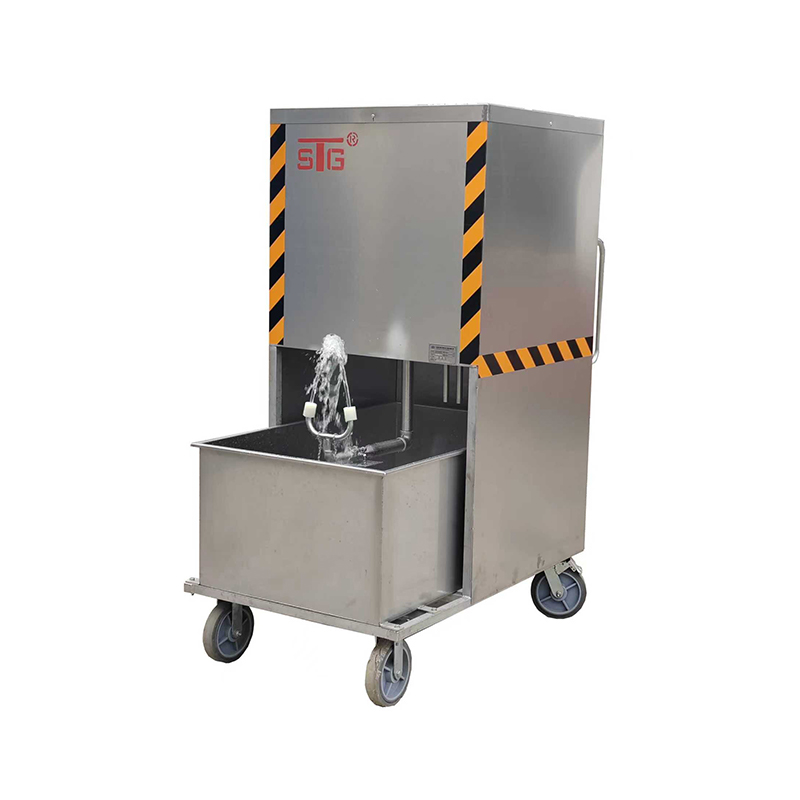
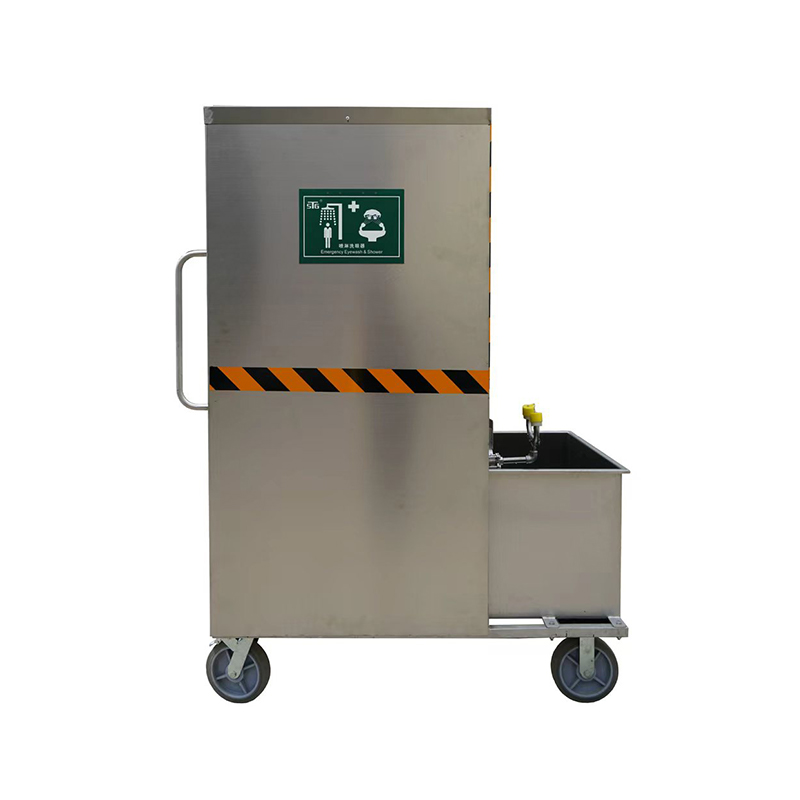
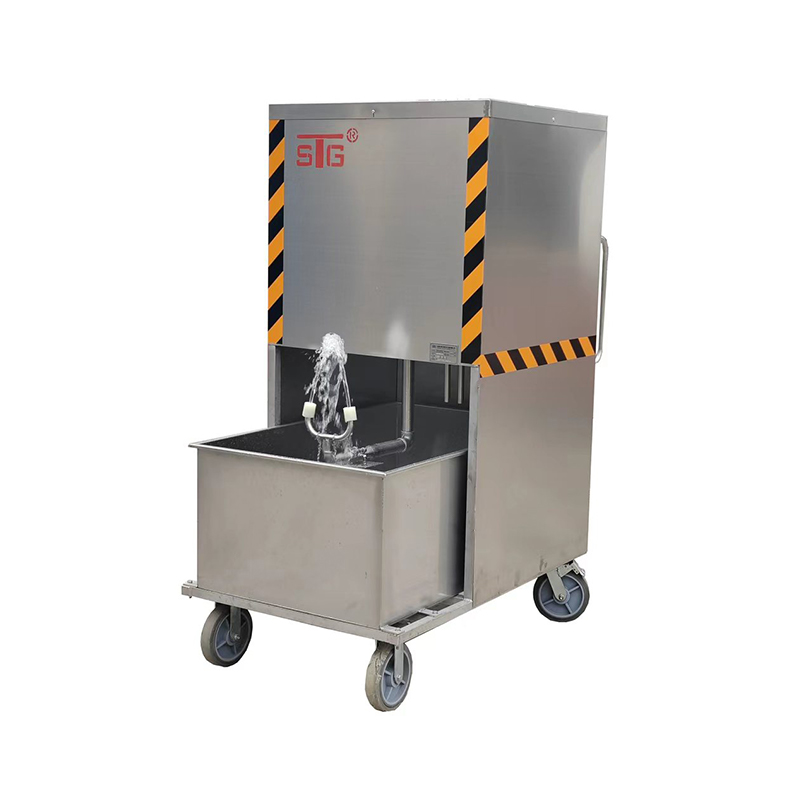
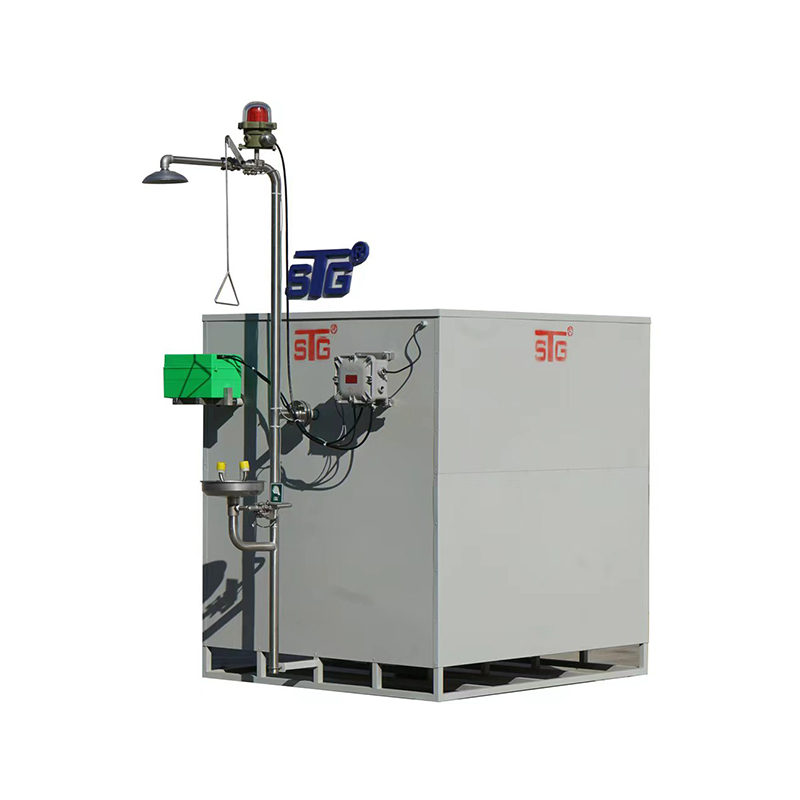
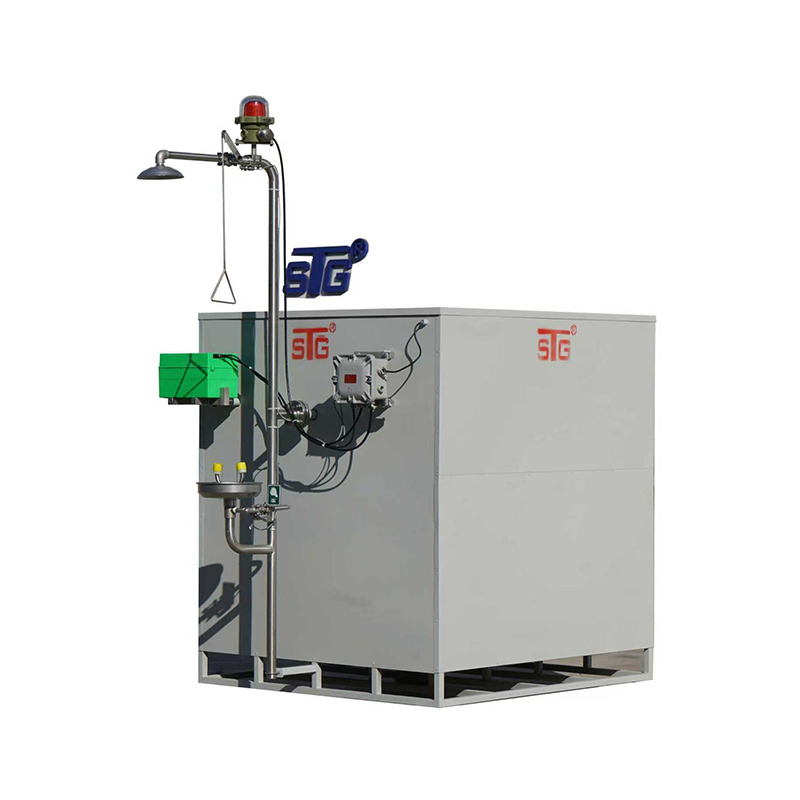
Equipped with a caster base and push handle, the Cart Type can be moved by a single operator to any location without assistance. Its compact and agile footprint makes it ideal for environments with narrow passageways or frequently changing layouts. This is the standard configuration and the preferred choice for small-to-medium facilities and laboratory settings.
Forklift Type
The Forklift Type features a base designed to accommodate standard forklift forks, allowing it to be lifted and transported directly by a forklift to any designated location. No manual pushing is required, making it well suited for large warehouses, heavy-industrial plants, and any facility where forklifts are already part of routine operations. It delivers significantly greater efficiency for wide-area deployment and rapid relocation across large sites.
Model Comparison
Cart TypeForklift TypeMobility MethodManual pushingForklift transportSuitable EnvironmentSmall-to-medium facilities, laboratoriesLarge warehouses, heavy-industrial plantsAisle RequirementsStandard aisle widthForklift-accessible aisle requiredOperators RequiredSingle operatorForklift operator requiredDeployment SpeedFast and agileHigh-efficiency wide-area dispatch
Product Advantages
Flexible Mobile Deployment
Available in Cart Type and Forklift Type configurations, this unit adapts to virtually any site condition. The Cart Type navigates narrow aisles with ease, while the Forklift Type enables rapid relocation across large industrial facilities. Choose the right configuration for your site to maximize operational mobility with no restrictions on placement location.
Rapid Emergency Response
No fixed installation is required. In the event of an incident, the unit can be moved immediately to the scene, significantly reducing emergency response time and minimizing the risk of chemical injury to the eyes and face.
Plug-and-Play Design
A standard inlet connection allows the unit to be hooked up directly to an on-site water supply quickly and easily, with no specialist tools or complex installation procedures required, greatly lowering the barrier to on-site deployment.
Full-Coverage Flushing Capability
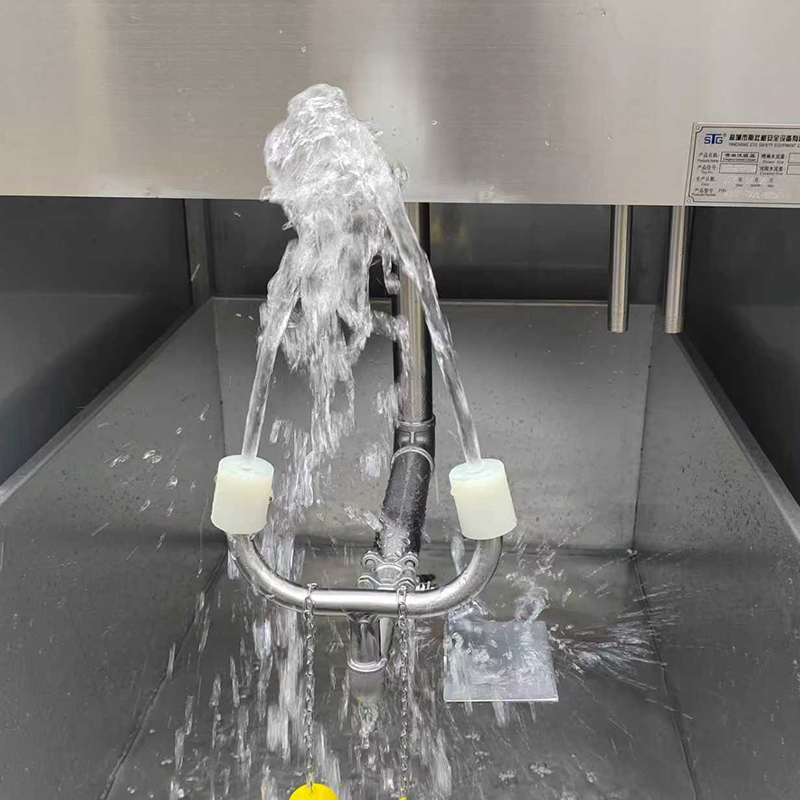
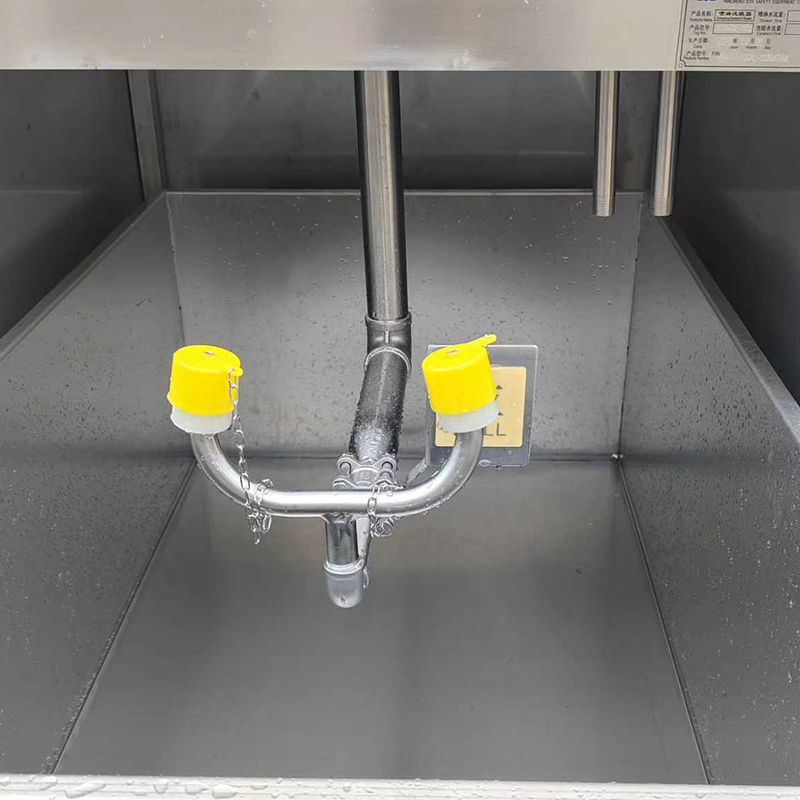
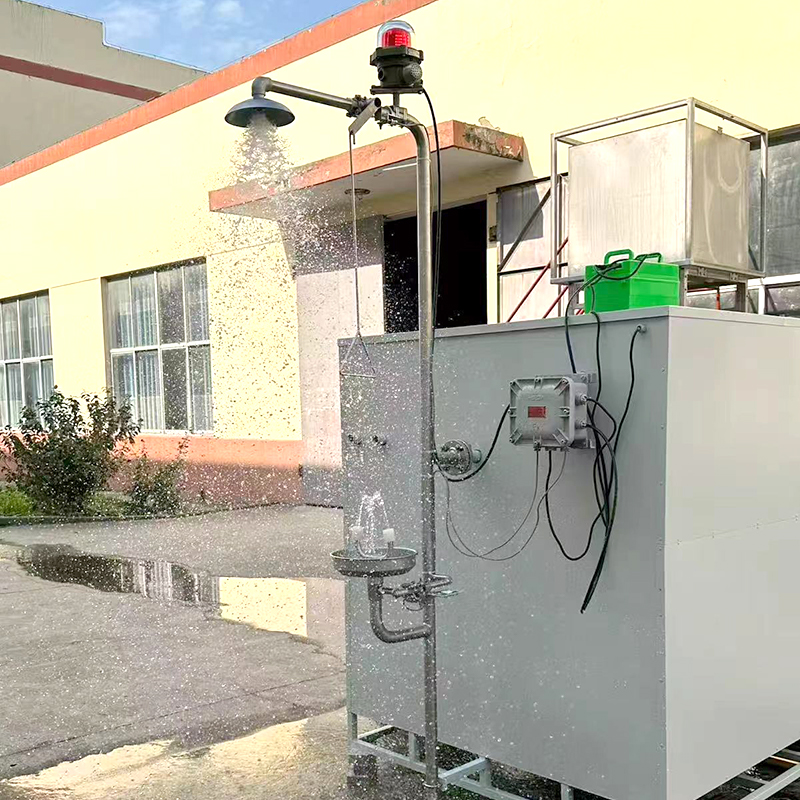
A dual-function eyewash and face wash head delivers precise coverage across both the eye and facial areas. Dual-flow output ensures thorough and effective emergency flushing protection at all times.
Stable and Secure Structure
The mobile base is fitted with a professional locking mechanism that secures the unit firmly in place during use, preventing accidental movement and providing reliable stability in high-urgency emergency situations.
Self-Contained Independent Water Tank
The integrated self-supporting structure and independent water tank eliminate any reliance on fixed water supplies or drainage infrastructure, enabling truly standalone deployment at any location and in any scenario.
Application Scenarios
Temporary Worksites · Recommended: Cart Type
Construction sites, equipment maintenance zones, and other temporary work areas where permanent facilities are unavailable. The Cart Type moves with the worksite and is always ready to provide emergency protection exactly where it is needed.
Multi-Station Rotational Use · Both Types Applicable
Ideal for production facilities that need to share safety equipment across multiple workstations. A single unit covers several posts, reducing overall safety infrastructure costs while improving the efficiency of safety management across the floor.
Supplementary Emergency Equipment · Recommended: Forklift Type
Serves as a critical backup to fixed eyewash stations during unexpected incidents, equipment overhauls, or pipeline maintenance periods. The Forklift Type enables rapid cross-zone dispatch within large facilities, ensuring there are no gaps in emergency coverage.
Safety Training and Demonstration · Recommended: Cart Type
Functions as a dedicated portable demonstration unit for safety training sessions and emergency drills. Easy to reposition between different training venues, it provides a realistic simulation of real-world emergency response procedures.
 English