English
 Deutsch
 España
 Français
 Italia
 Русский
 عربي
عربي


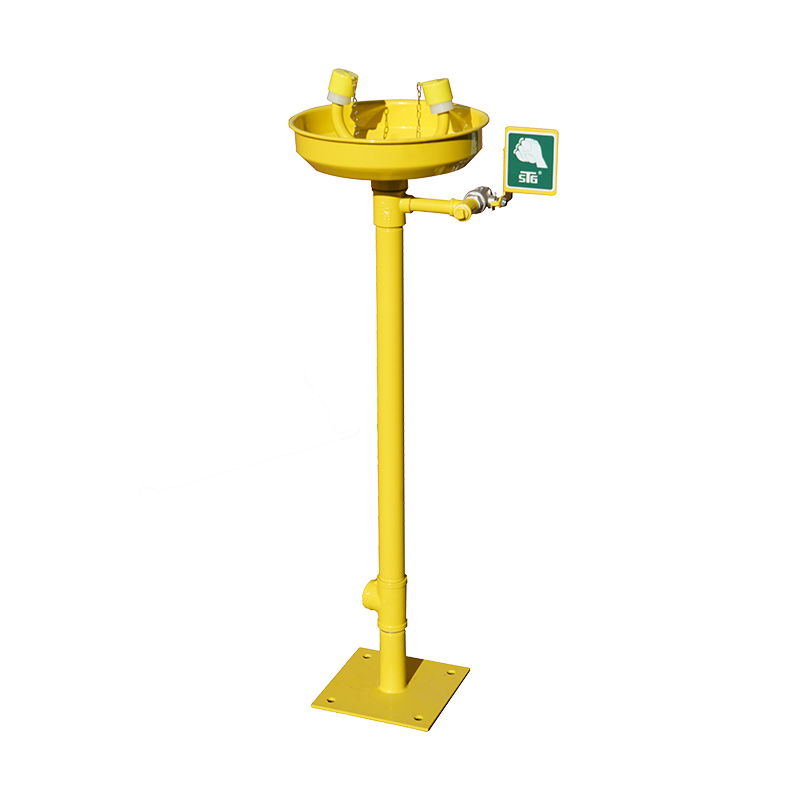
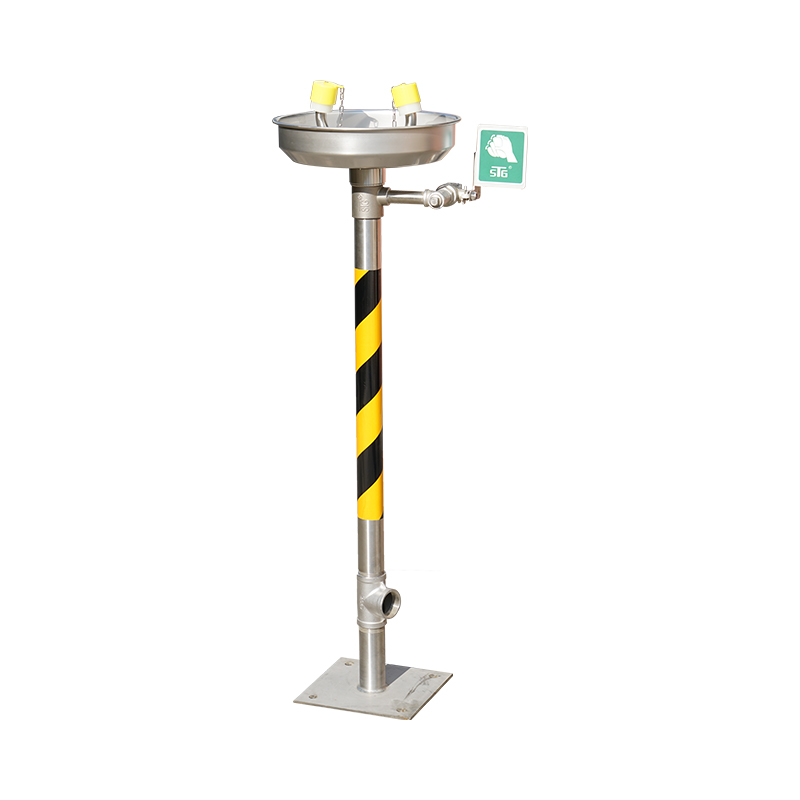
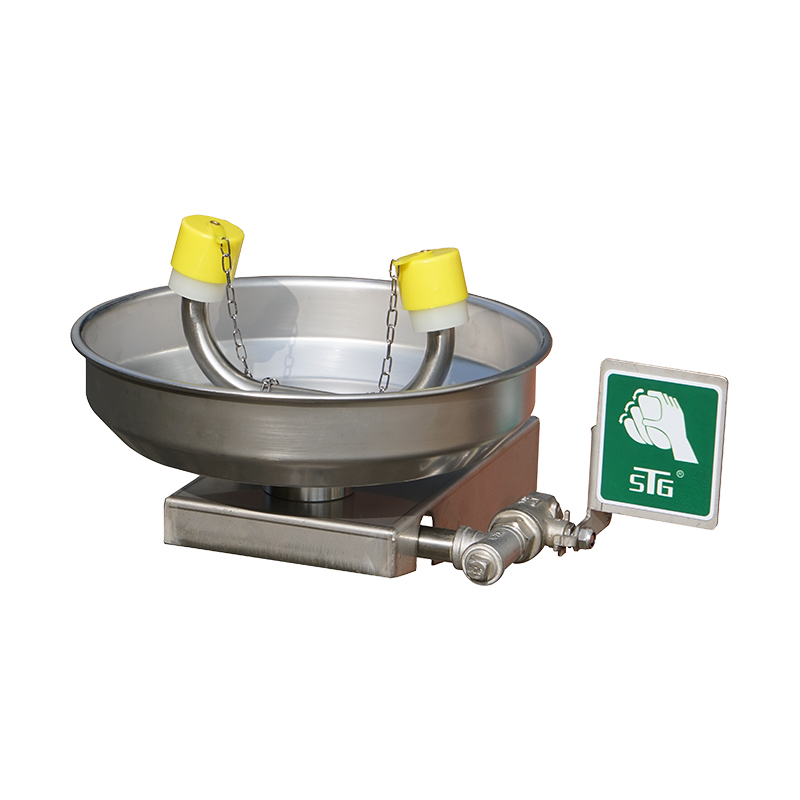
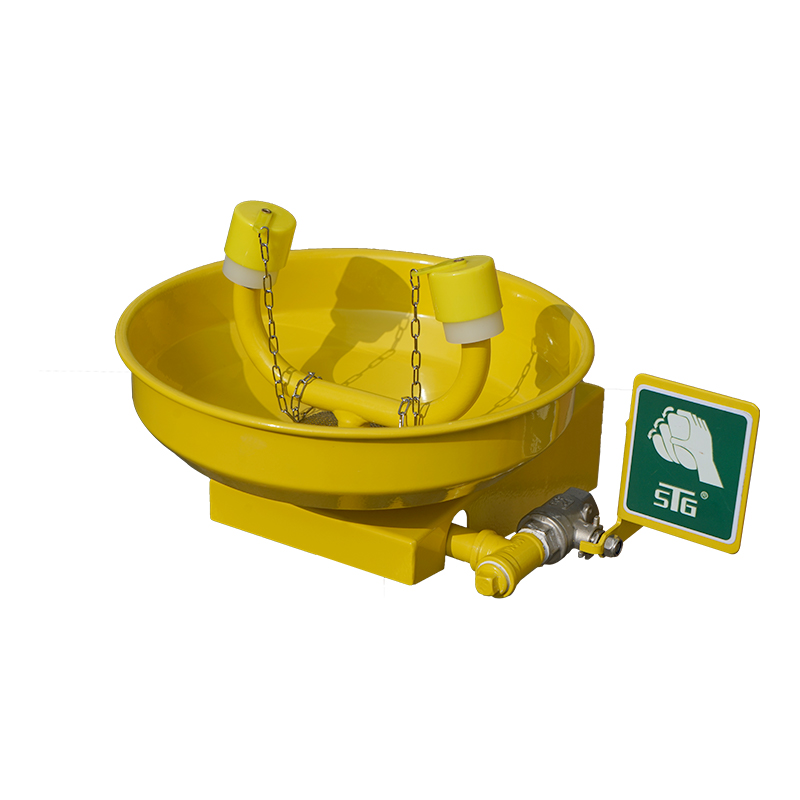
A compliant plumbed eyewash station must deliver a minimum flow rate of 0.4 gallons per minute (1.5 liters per minute) for at least 15 minutes, at a tepid water temperature between 60 and 100 degrees Fahrenheit, positioned within 10 seconds of any hazard. These requirements come from ANSI/ISEA Z358.1, the primary standard referenced across most industrial and laboratory safety programs. Below, we break down the exact flow rate specifications, ANSI compliance details, and the practical installation steps needed to bring a plumbed Emergency eyewash and shower unit into full working order.
Minimum Flow Rate Requirements Explained
ANSI/ISEA Z358.1 specifies that a plumbed eyewash station must supply a controlled flow of at least 0.4 gallons per minute to both eyes simultaneously, sustained for a full 15 minute period without the user needing to manually hold a valve open. This flow rate is calibrated to be gentle enough not to cause additional eye injury from water pressure, while still being forceful enough to physically flush chemical contaminants from the eye surface.
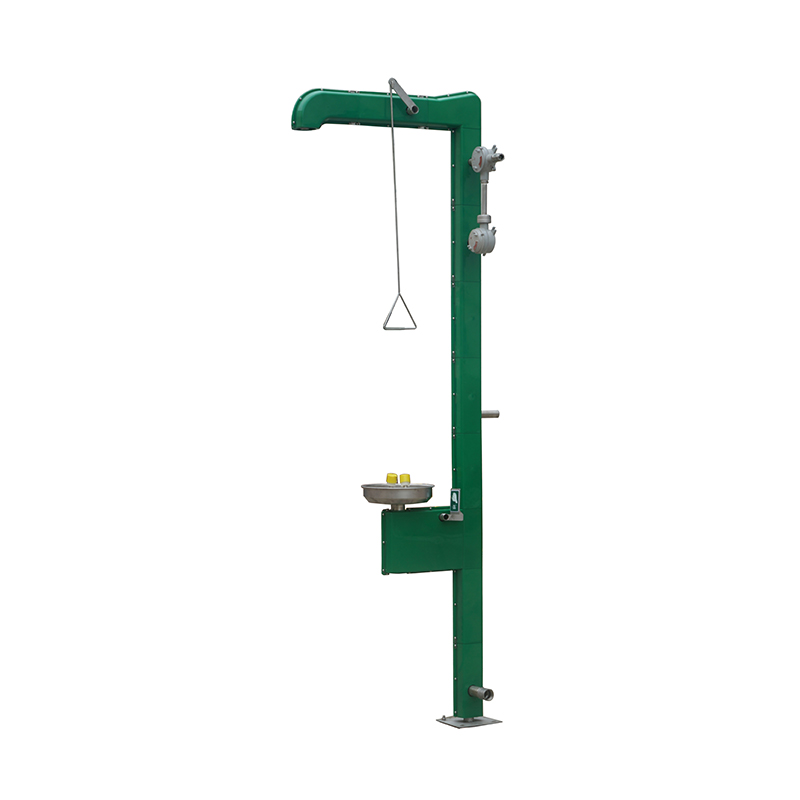
Combination units, which pair an eyewash with a full body shower, must meet a separate and much higher requirement, with the shower head delivering at least 20 gallons per minute to ensure full body coverage during a chemical exposure incident.
Flow Rate and Duration Requirements by Unit Type
| Unit Type | Minimum Flow Rate | Minimum Duration |
| Eyewash station | 0.4 GPM (1.5 L/min) | 15 minutes |
| Eye and face wash | 3.0 GPM (11.4 L/min) | 15 minutes |
| Emergency shower | 20 GPM (75.7 L/min) | 15 minutes |
The higher flow rate for face wash and shower units reflects the larger surface area that needs continuous rinsing, whereas eyewash-only stations focus the flow specifically on the eye area to avoid unnecessary water waste while still meeting exposure clearing needs.
Water Temperature Requirements
ANSI/ISEA Z358.1 requires flushing fluid to be delivered at a tepid temperature, generally defined as falling between 60 and 100 degrees Fahrenheit (16 to 38 degrees Celsius). Water that is too cold discourages the injured person from completing the full 15 minute flush, while water above 100 degrees Fahrenheit can itself cause thermal injury to already compromised eye or skin tissue.
In facilities located in colder climates, plumbed systems often require a tempering valve or small water heater dedicated to the eyewash line, since cold municipal water supply alone frequently falls well below the tepid range, particularly in winter months.
Activation and Hands-Free Operation Requirements
Beyond flow rate, ANSI/ISEA Z358.1 requires that the unit activate in one second or less using a single motion, and that once flowing, it remains hands-free so the injured person can use both hands to hold their eyelids open. A plumbed eyewash valve typically uses a stay-open ball valve mechanism, which locks into the open position once triggered rather than requiring continuous pressure from the user.
Installation Requirements for Compliant Plumbing
Pipe sizing and supply line considerations
Achieving the required flow rate depends heavily on adequate pipe diameter and water pressure at the point of use. Most plumbed eyewash installations require a minimum of 3/4 inch supply line feeding the unit, since undersized piping can restrict flow below the compliant threshold even if the municipal supply pressure is adequate.
Drainage considerations
A 15 minute continuous flush at 0.4 gallons per minute produces roughly 6 gallons of wastewater per activation, which means the installation location needs either a floor drain or a suitable overflow basin to prevent water damage to the surrounding area during use.
Mounting height and positioning
Eyewash spray heads should be mounted between 33 and 45 inches from the floor, positioned so the user can lower their face into the water stream without excessive bending, and located within the 10 second, 55 foot accessibility zone required around all chemical hazards.
Weekly and Annual Testing Obligations
ANSI/ISEA Z358.1 requires plumbed eyewash and shower units to be activated weekly to verify adequate flow and to flush sediment or stagnant water from the supply line, since water sitting unused in pipework can introduce contamination risk during an actual emergency use.
- Weekly activation confirms the valve opens smoothly and flow reaches the unit without excessive lag.
- Annual inspections should verify flow rate using a calibrated flow measurement device, not visual estimation alone.
- Water temperature should be checked seasonally, since tepid range compliance can shift with ambient supply temperature changes.
- Spray head patterns should be inspected for mineral buildup, which can distort flow and reduce effective coverage over time.
Choosing the Right Plumbed Unit for Your Facility
Selecting the correct configuration depends on the specific hazards present and the water infrastructure already available at the installation site.
- For laboratories handling small quantities of chemicals, a standalone eyewash station meeting the 0.4 GPM requirement is often sufficient.
- For industrial areas handling corrosive materials in larger volumes, a combination eyewash and shower unit provides broader protection for both eye and body exposure.
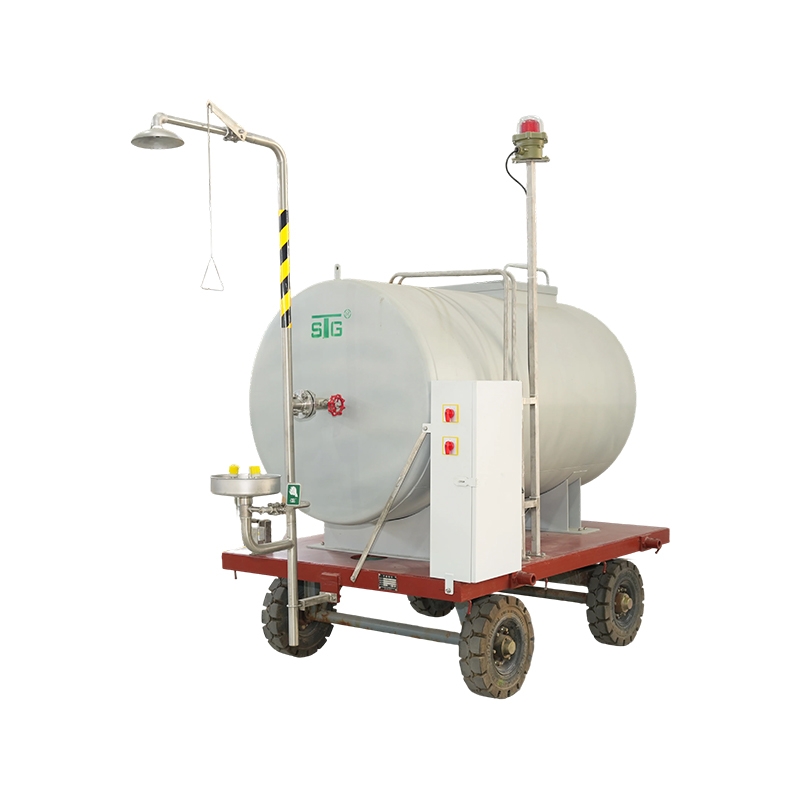
- For facilities with existing high pressure water infrastructure, plumbed units are generally more cost effective long term than tank-fed alternatives requiring periodic water replacement.
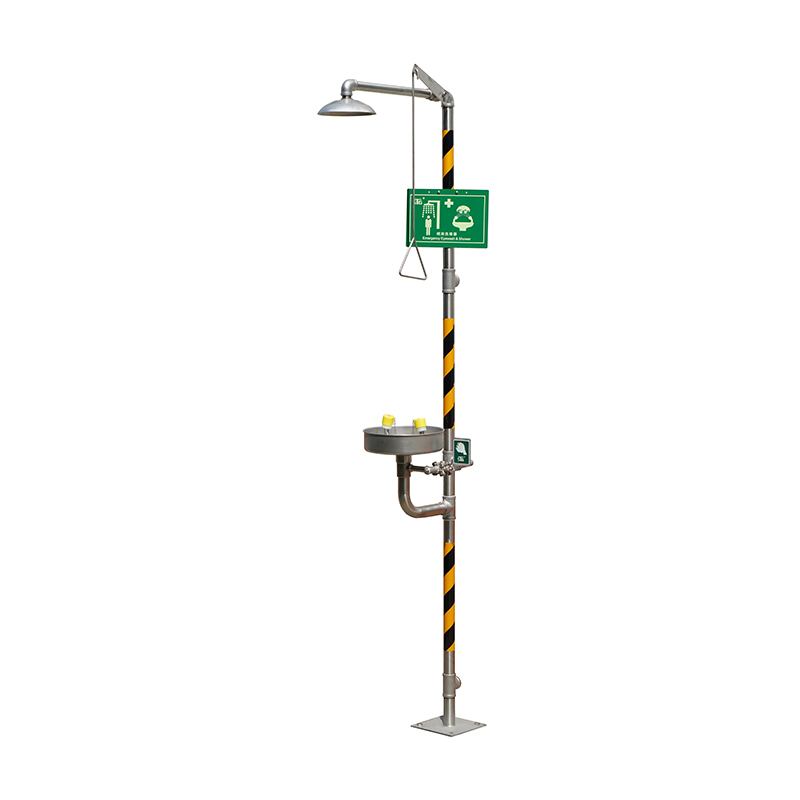
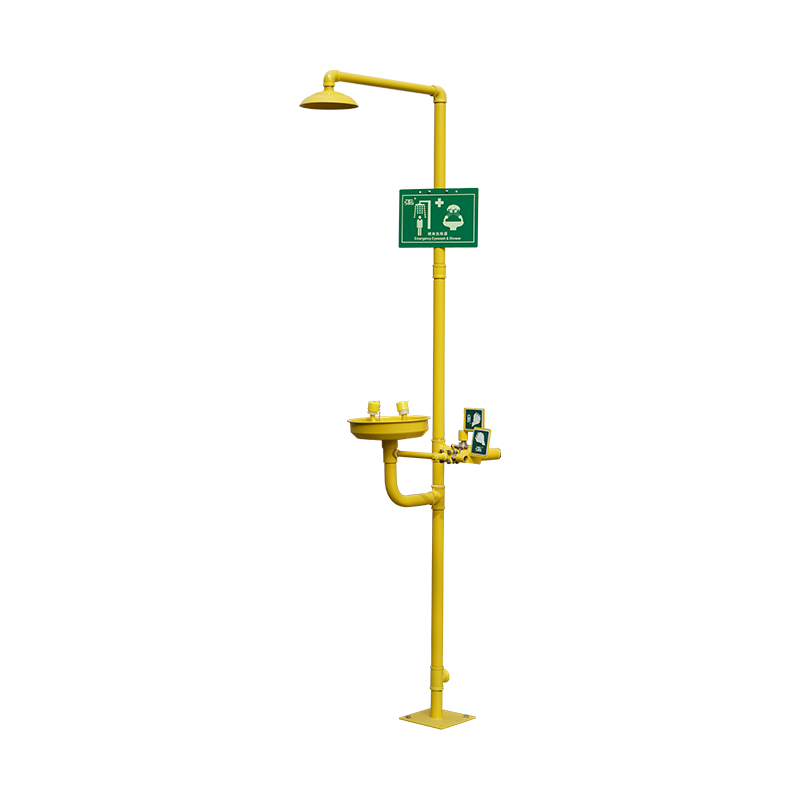
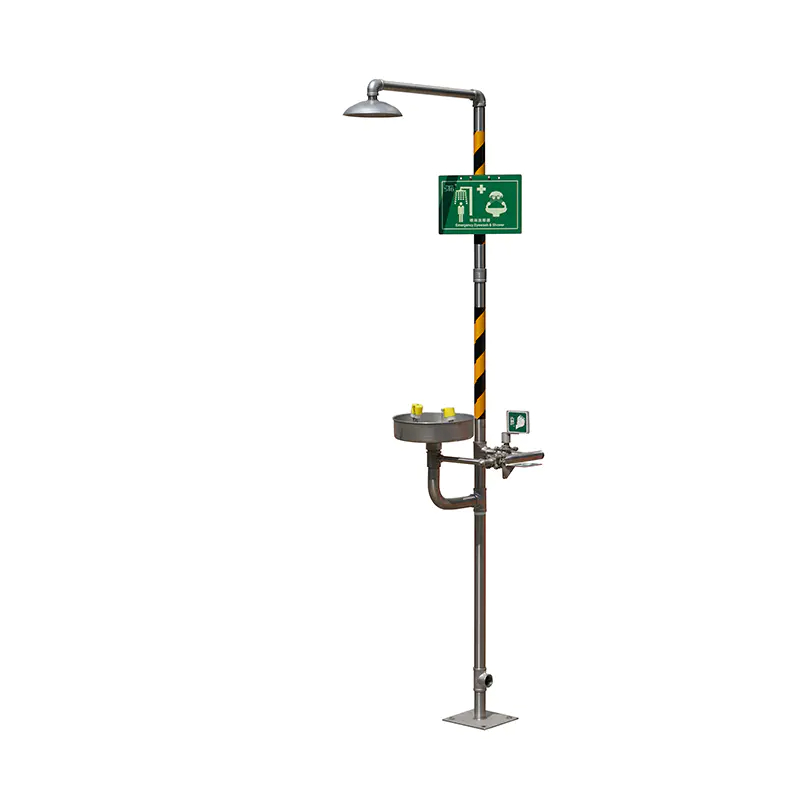
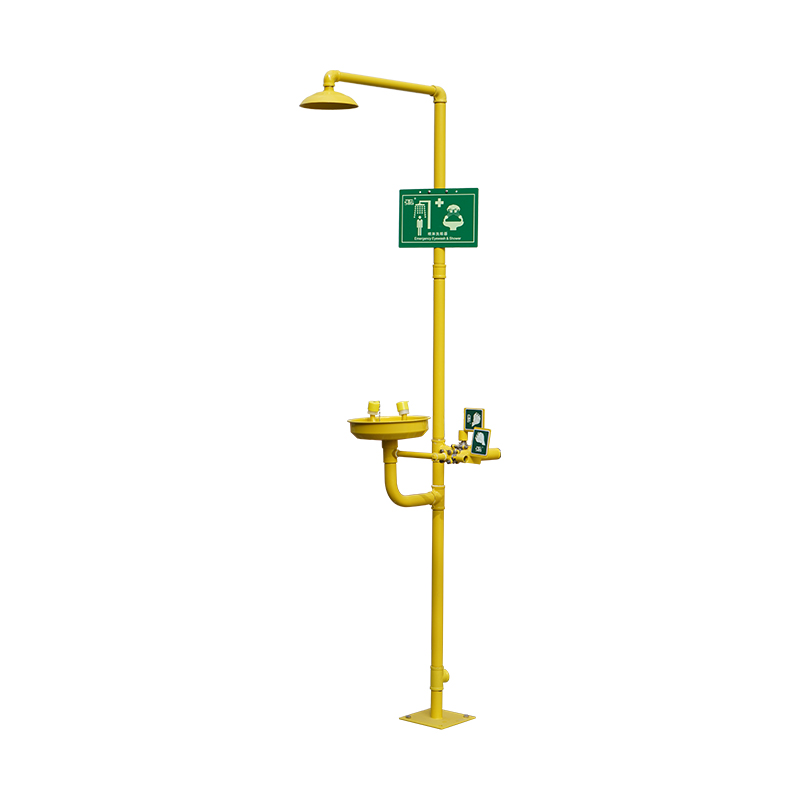
Our Emergency eyewash and shower range is engineered to meet the flow rate, activation speed, and tepid water requirements defined by ANSI/ISEA Z358.1, with configurations suited to both standalone laboratory installations and larger industrial combination units.