English
 Deutsch
 España
 Français
 Italia
 Русский
 عربي
عربي


Emergency shower and eyewash station requirements are governed primarily by OSHA 29 CFR 1910.151(c), which mandates suitable facilities for quick drenching wherever the eyes or body may be exposed to injurious materials, and by ANSI/ISEA Z358.1, which fills in the specific technical details OSHA does not define, such as flow rate, water temperature, and testing frequency. In practice, OSHA compliance means having ANSI-compliant equipment, since OSHA inspectors typically reference the ANSI standard when evaluating whether a facility's equipment is suitable. Below, we break down what each standard actually requires, where they overlap, and how to apply best practices when installing an Emergency eyewash and shower system.
How OSHA and ANSI Requirements Differ
OSHA's regulation is intentionally broad, stating only that suitable facilities must be provided for quick drenching or flushing of the eyes and body. It does not specify flow rates, water temperature, mounting height, or testing intervals. ANSI/ISEA Z358.1, first published in 1981 and updated periodically since, provides the detailed technical specifications that OSHA references indirectly through its general duty clause and through citations that rely on industry consensus standards.
| Aspect | OSHA 1910.151(c) | ANSI Z358.1 |
| Legal status | Federally enforceable regulation | Voluntary consensus standard, often referenced in citations |
| Flow rate specified | No | Yes, 0.4 GPM for eyewash |
| Water temperature specified | No | Yes, 60 to 100 degrees Fahrenheit |
| Testing frequency specified | No | Yes, weekly activation and annual inspection |
Since OSHA does not define these specifics, most Occupational Safety and Health Review Commission decisions and citations have relied on ANSI Z358.1 as the benchmark for what constitutes suitable equipment, making it the de facto compliance standard even though it is technically voluntary.
When OSHA Requires Emergency Eyewash and Shower Equipment
OSHA requires eyewash and shower stations wherever employees may be exposed to corrosive materials, which includes many workplaces beyond obvious chemical manufacturing settings.
- Laboratories handling acids, bases, or other corrosive reagents.
- Battery charging and maintenance areas, where sulfuric acid exposure is a recognized hazard.
- Manufacturing facilities using cleaning solvents, degreasers, or industrial acids.
- Agricultural operations handling concentrated pesticides or fertilizers before dilution.
- Healthcare and dental settings using disinfectants or sterilizing chemicals.
OSHA does not provide an exhaustive list of covered substances, which means employers are generally expected to evaluate their Safety Data Sheets for any chemical rated as corrosive or causing serious eye damage and provide appropriate flushing equipment accordingly.
Core ANSI Z358.1 Technical Requirements
Flow rate and duration
ANSI Z358.1 requires a plumbed eyewash station to deliver at least 0.4 gallons per minute for a full 15 minutes, while combination shower units must deliver at least 20 gallons per minute for the same duration, ensuring the exposed area receives continuous flushing long enough to clear most chemical contaminants.
Water temperature
Flushing fluid must be delivered at a tepid temperature between 60 and 100 degrees Fahrenheit, since water outside this range either discourages the injured person from completing the full flush or risks causing additional thermal injury to compromised tissue.
Accessibility and activation
Equipment must be reachable within 10 seconds, generally interpreted as roughly 55 feet of unobstructed travel distance, and must activate in one second or less with hands-free operation once flowing.
Common Compliance Gaps Found During Inspections
Safety consultants and OSHA compliance officers frequently identify the same recurring issues when auditing emergency eyewash and shower installations.
- Units installed but never activated weekly, resulting in stagnant water, sediment buildup, or reduced flow when actually needed.
- Access paths blocked by stored materials, equipment, or locked doors that violate the 10 second accessibility requirement.
- Water temperature outside the tepid range, particularly in facilities without a dedicated tempering valve for the eyewash supply line.
- Missing or inadequate signage, making units difficult to locate quickly during an actual emergency.
- Undersized supply piping that cannot deliver the required flow rate even though the unit itself is ANSI compliant.
According to safety compliance data commonly cited by industrial hygiene organizations, inadequate or non-functional eyewash equipment remains one of the more frequently cited deficiencies during workplace safety audits involving chemical handling operations.
Best Practices Beyond the Minimum Standard
Meeting the letter of ANSI Z358.1 satisfies compliance, but facilities with strong safety records typically go further in several specific ways.
- Installing additional units closer than the 55 foot maximum in areas handling highly corrosive substances, reducing exposure time before flushing begins.
- Documenting weekly activation checks with dated logs rather than relying on memory, since these records are typically the first item requested during an incident investigation.
- Training new employees on the physical location of the nearest unit during onboarding rather than relying solely on signage.
- Scheduling water temperature checks seasonally, since ambient supply temperature can shift the tepid range compliance throughout the year.
Selecting Compliant Equipment for Your Facility
Choosing the right configuration depends on the specific hazards present and the corrosivity level of the chemicals in use.
| Hazard Level | Recommended Equipment |
| Mild irritants, small quantities | Standalone plumbed eyewash station |
| Moderate corrosives, splash risk to face | Combination eye and face wash unit |
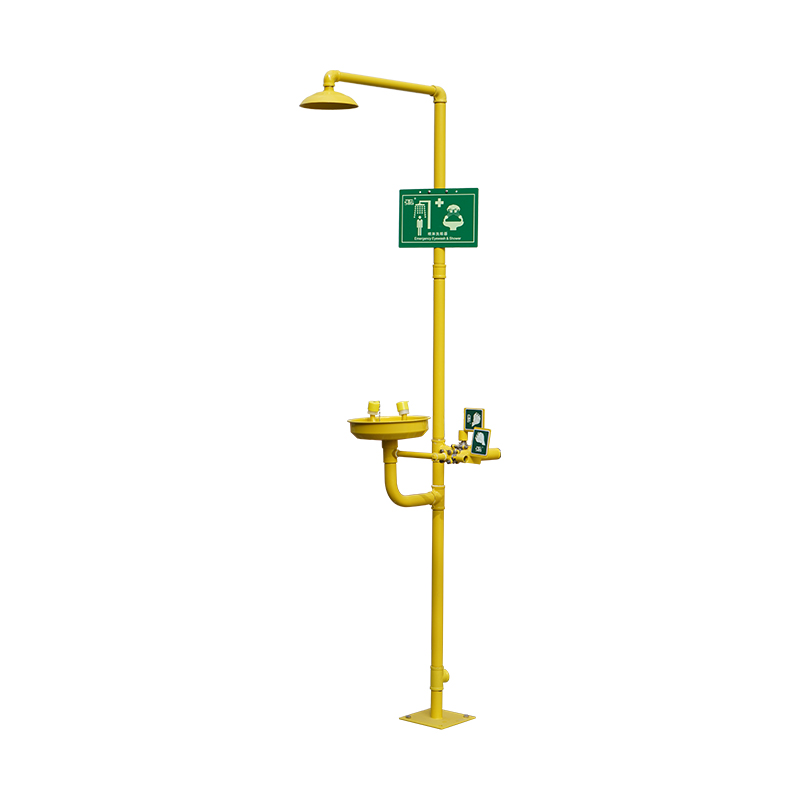
| Strong acids or alkalis, full body risk | Combination eyewash and shower unit installed immediately adjacent to the hazard |
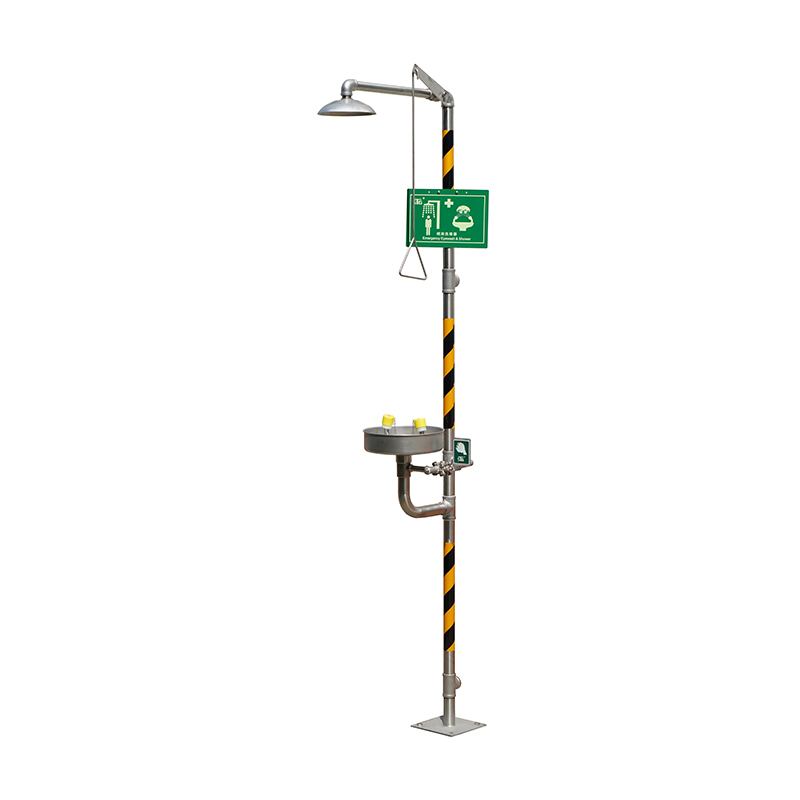
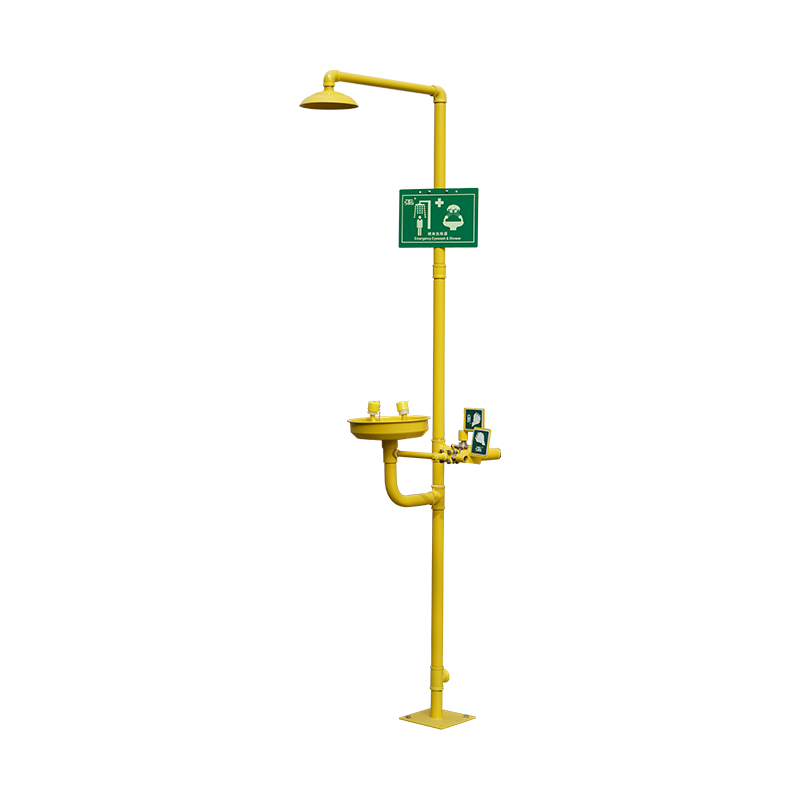
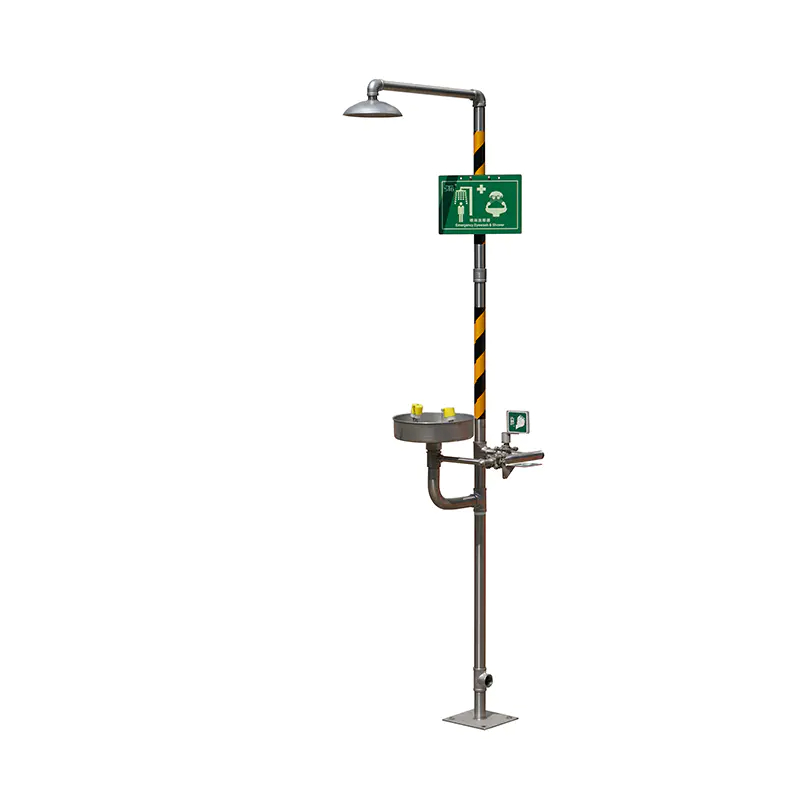
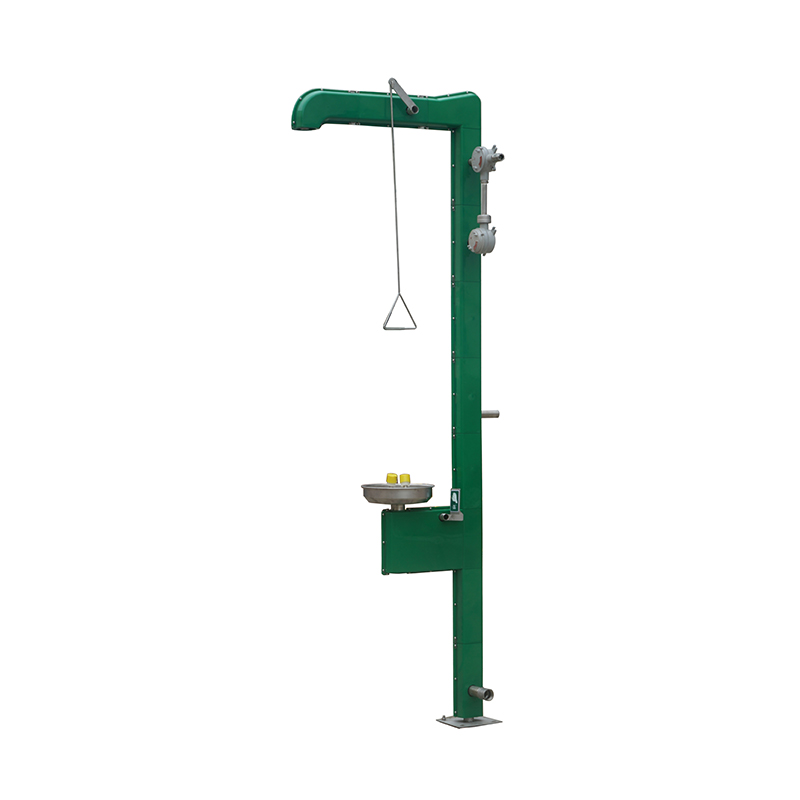
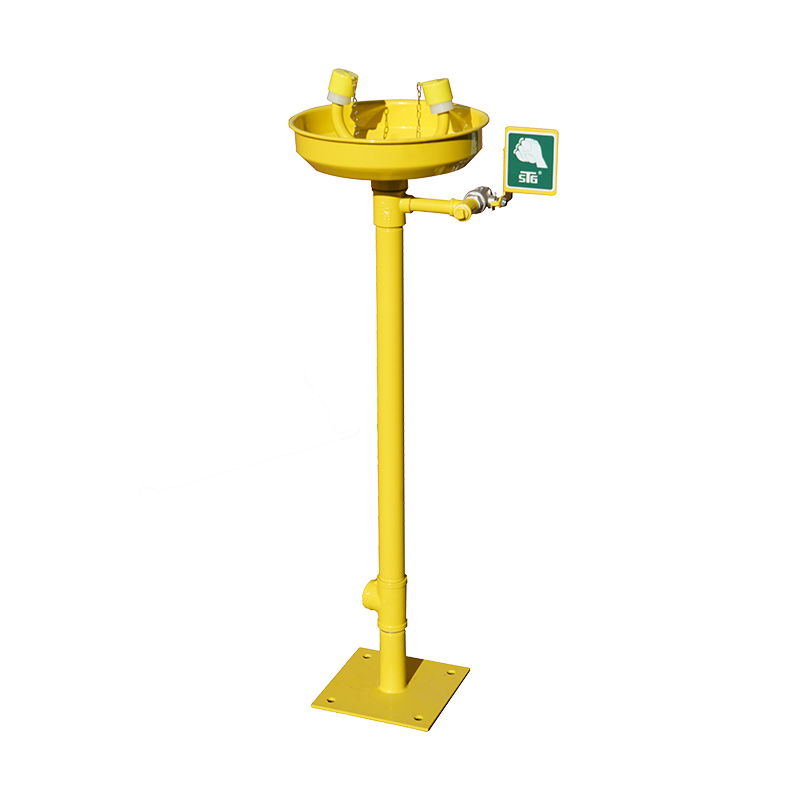
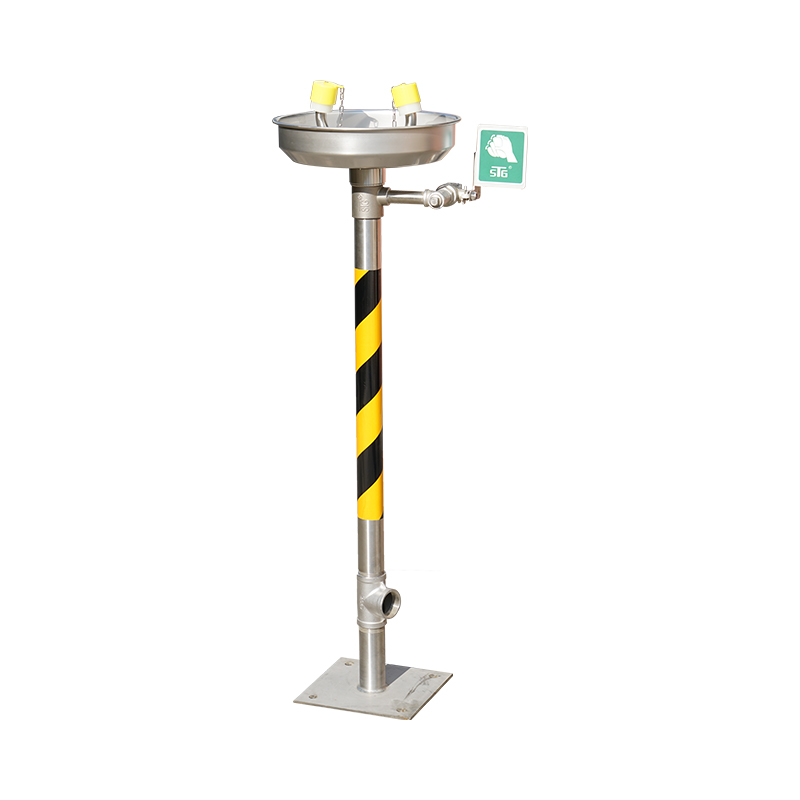
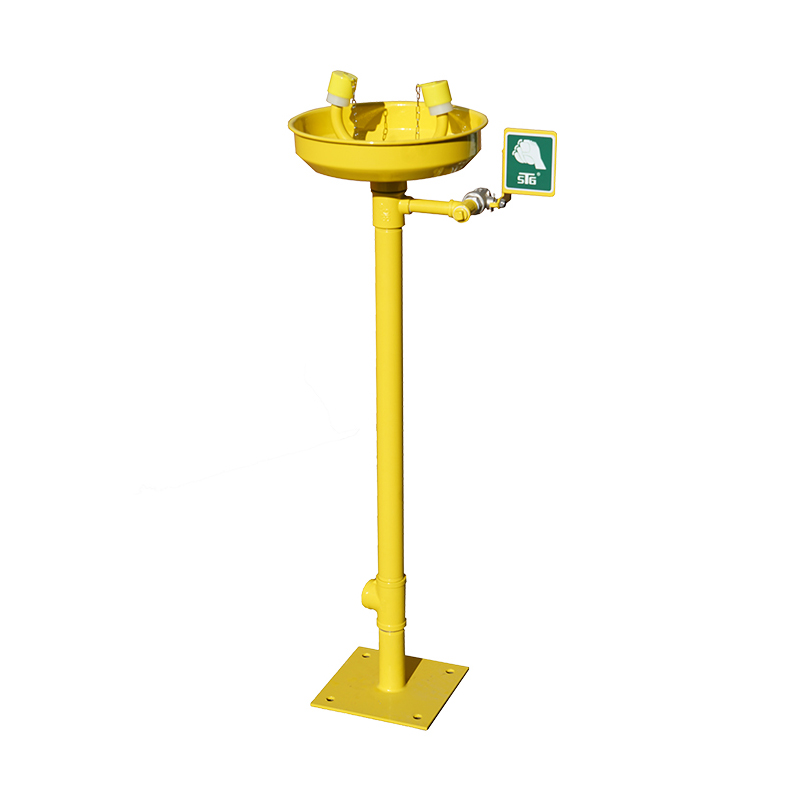
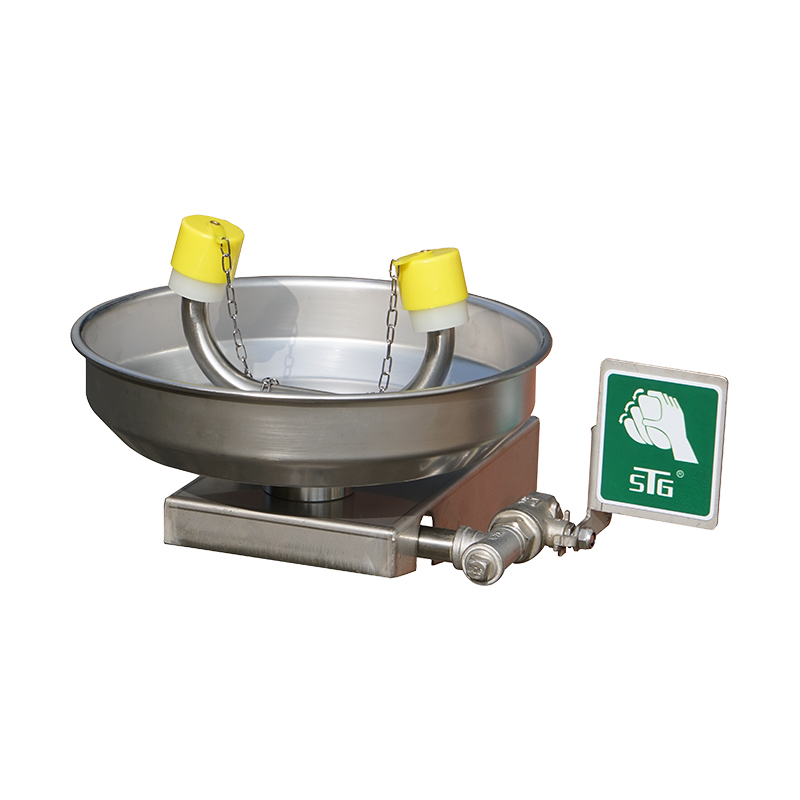
Our Emergency eyewash and shower range is designed to meet the flow rate, temperature, and activation requirements defined by ANSI Z358.1, with configurations suited to laboratories, industrial production areas, and facilities handling corrosive chemical processes.