English
 Deutsch
 España
 Français
 Italia
 Русский
 عربي
عربي


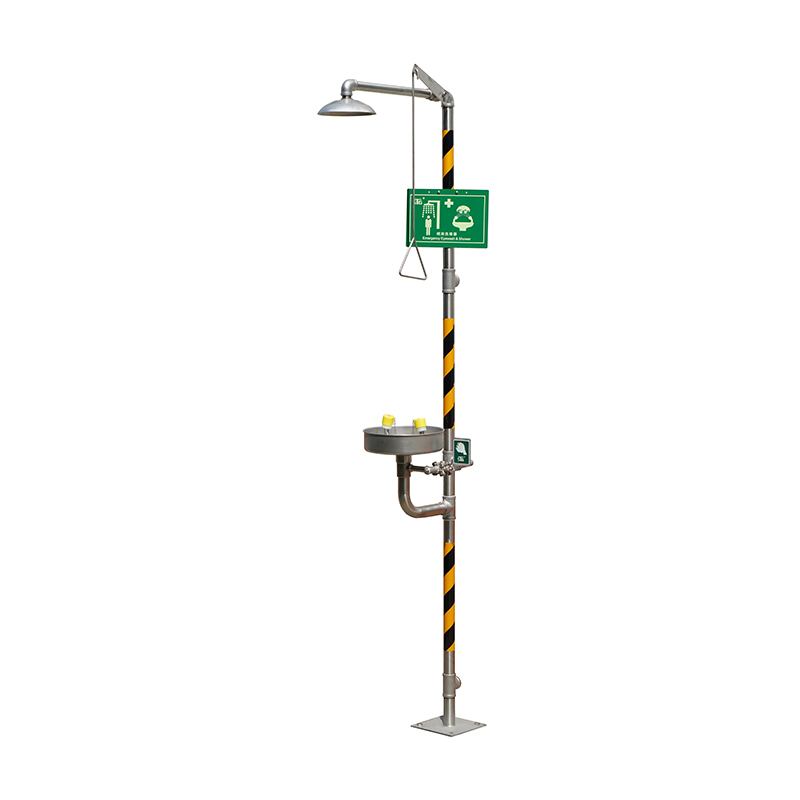
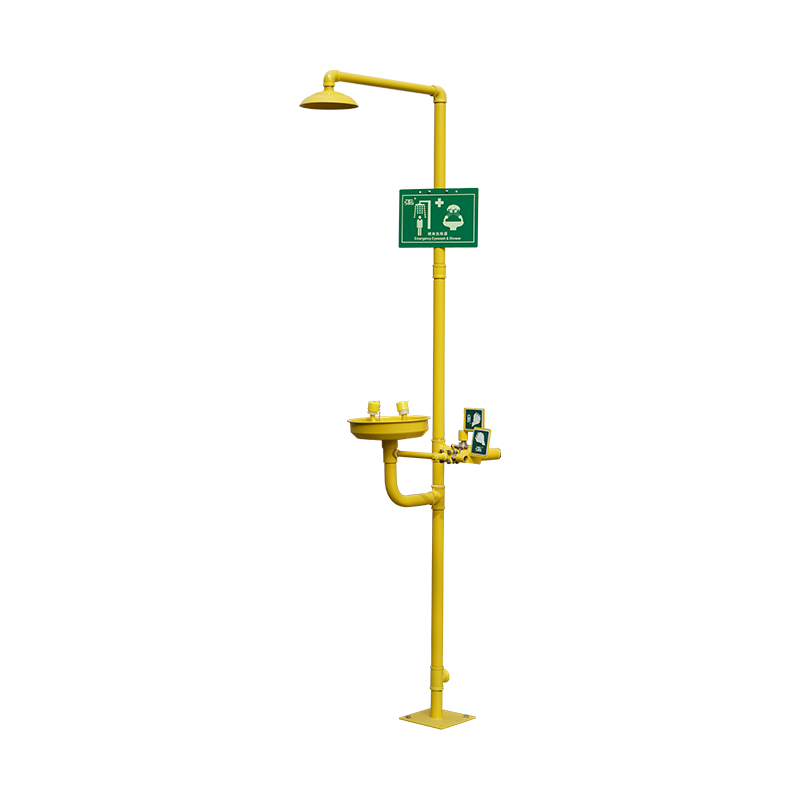
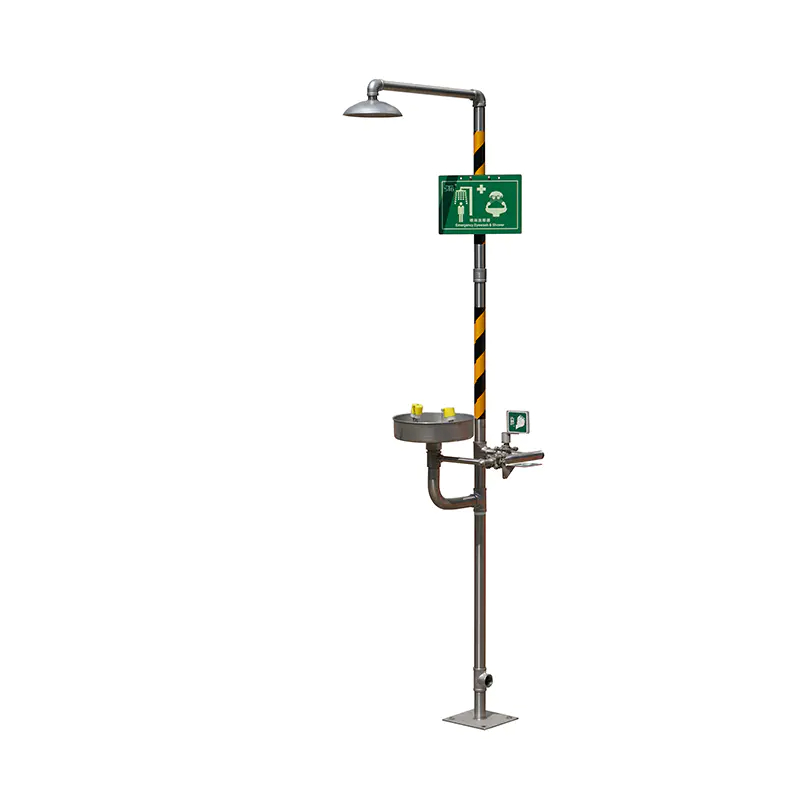
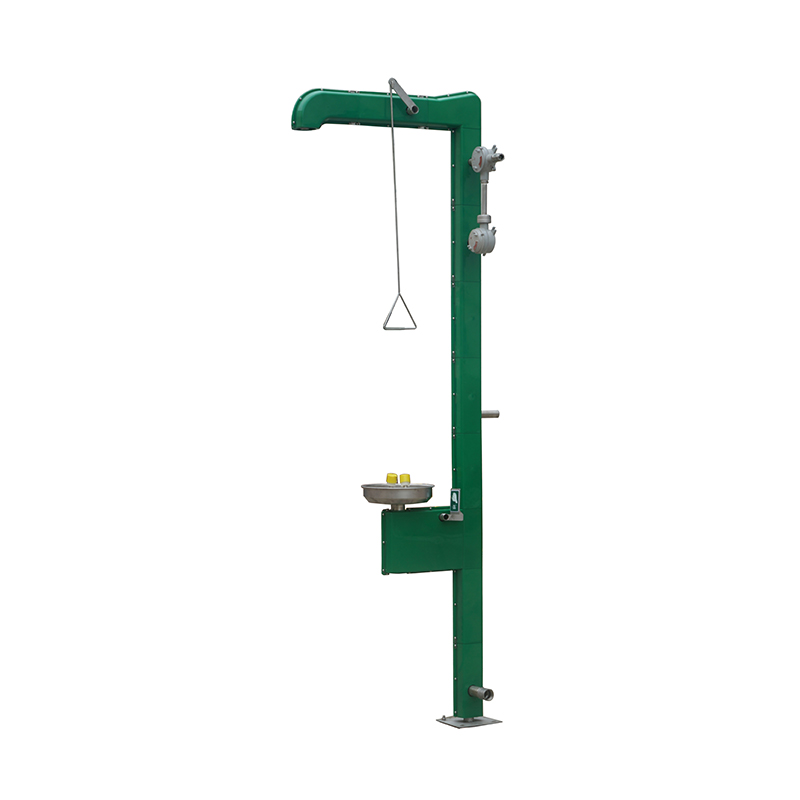
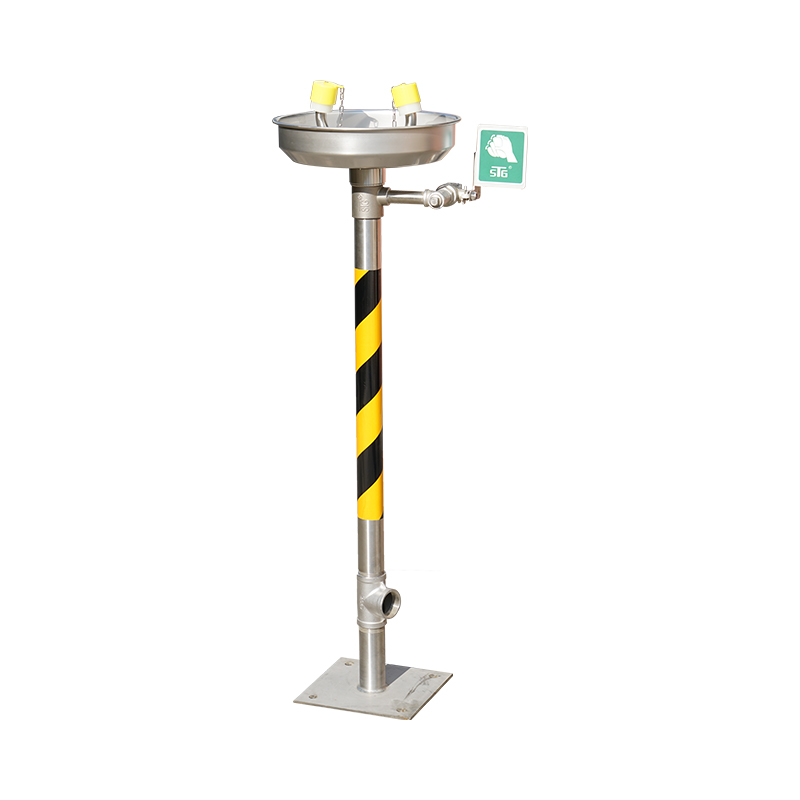
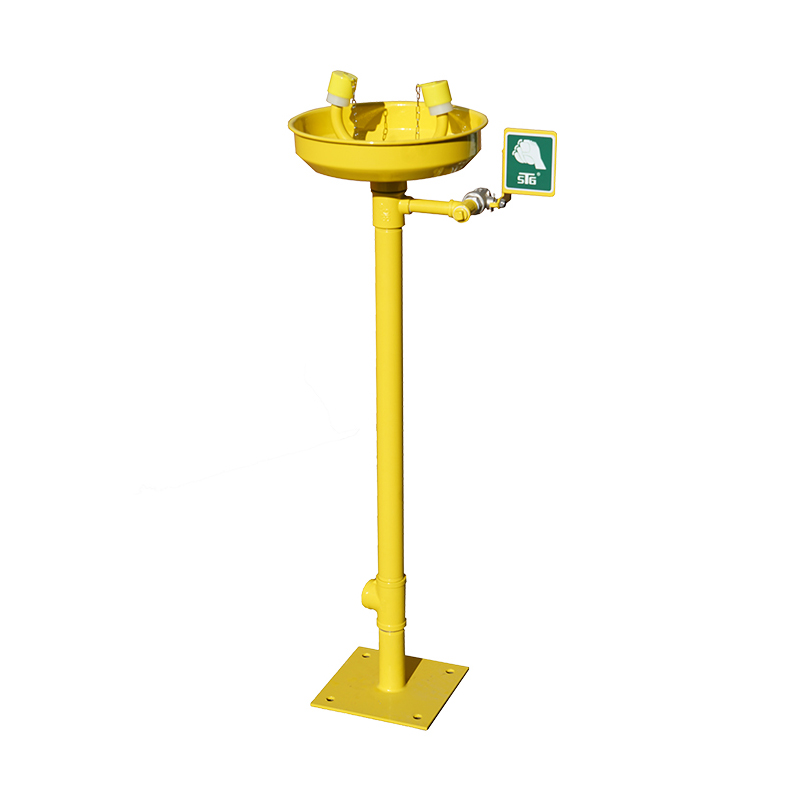
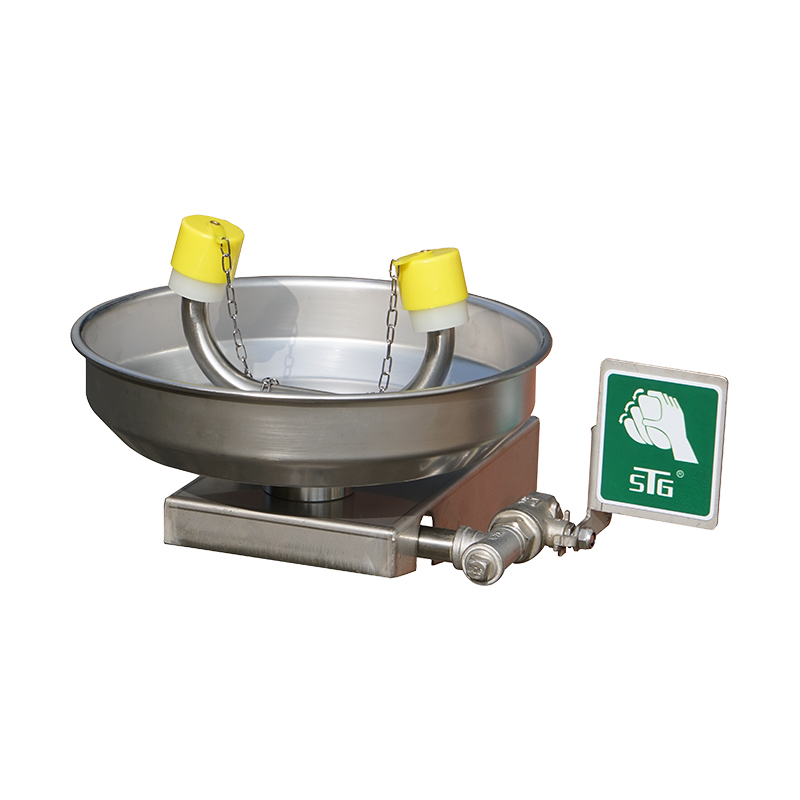
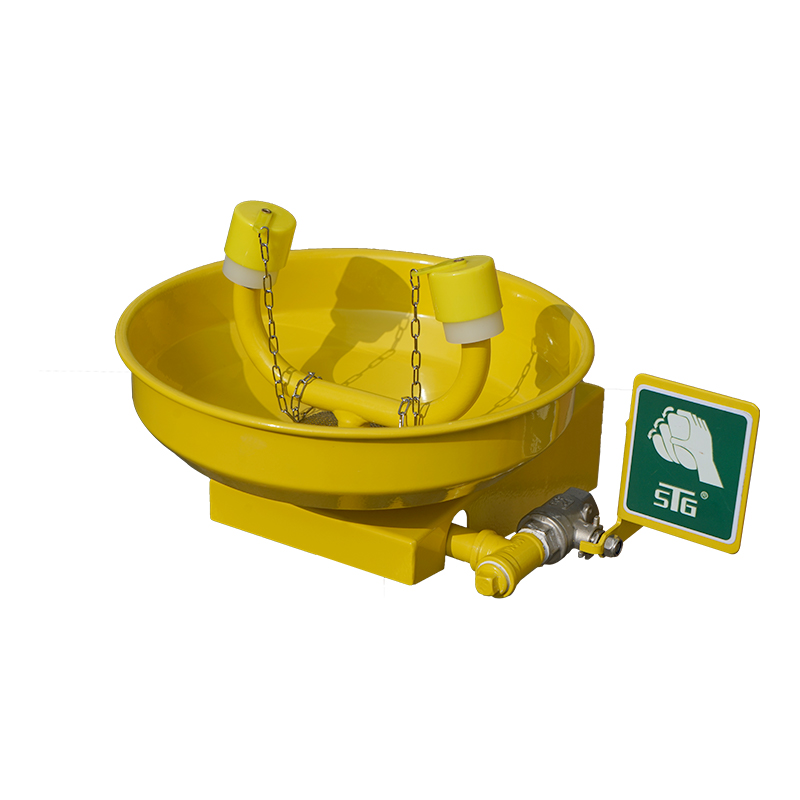
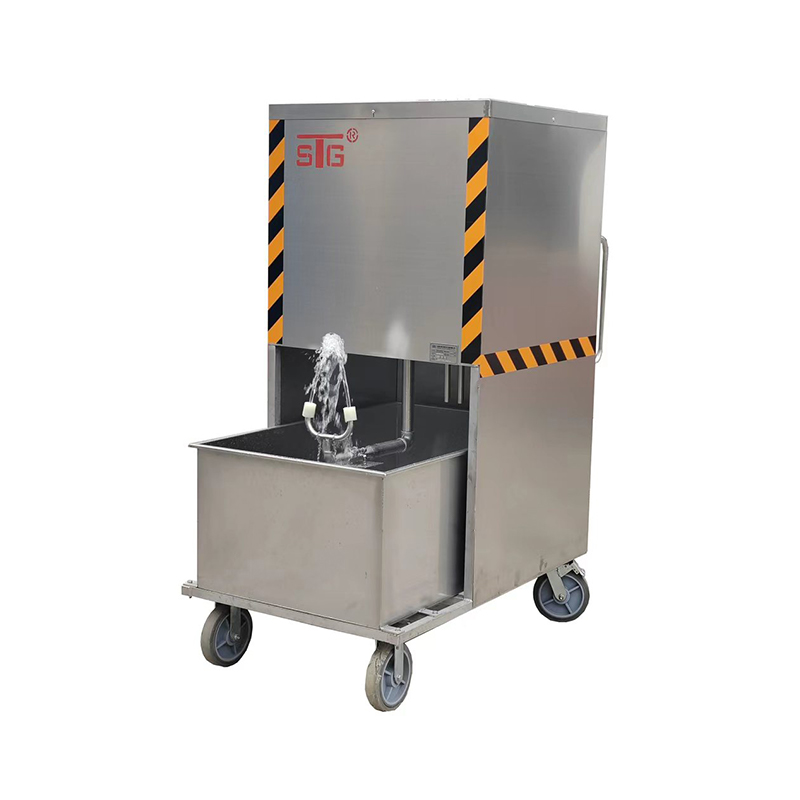
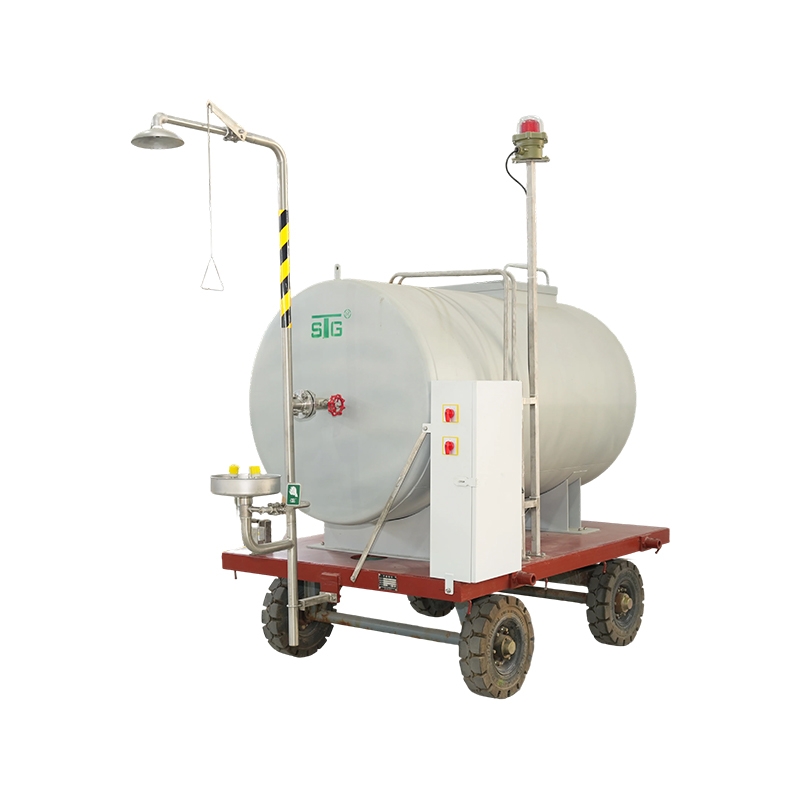
Emergency eyewash and shower equipment must be accessible within 10 seconds, which is generally interpreted as a maximum travel distance of about 55 feet (16.8 meters) from the hazard, along an unobstructed path of travel with no doors, stairs, or obstacles in the way. This benchmark comes from ANSI/ISEA Z358.1, the primary reference used across most workplace safety programs in North America and widely referenced by safety professionals internationally. For highly corrosive substances, the requirement becomes even stricter, calling for immediate adjacency rather than any travel distance at all. Below, we break down what this accessibility requirement means in practice, how it is measured, when stricter rules apply, how installation height and activation speed factor into true accessibility, and how to verify that your Emergency eyewash and shower installation actually meets the standard rather than just appearing to on paper.
The 10 Second Rule Explained
The 10 second, 55 foot guideline is based on the time it takes a person experiencing a chemical splash to safely reach flushing equipment before the injury worsens. According to ANSI/ISEA Z358.1, this distance assumes a normal walking pace along a clear, level path, not a sprint, since a person whose vision has been impaired by a chemical splash cannot move quickly or safely around obstacles, over thresholds, or through narrow gaps between equipment.
This is an important distinction that many facilities get wrong during initial layout planning. The 55 foot figure is not a straight-line measurement taken from a floor plan, it is the actual walking distance a person would travel around furniture, machinery, shelving, or walls to physically reach the unit. In practice, a facility safety audit will often find that a unit measured at 40 feet in a straight line actually requires closer to 70 feet of real walking distance once aisles, workstations, and equipment layout are taken into account. This is why experienced safety consultants recommend physically walking the route with a measuring wheel rather than relying on architectural drawings alone.
Another detail often overlooked is that the 10 second standard assumes the person can travel the distance without needing to open a door that requires more than one motion, without needing a key, and without navigating a change in floor level. Any of these factors can turn what looks like a compliant 50 foot distance into a non-compliant delay of 15 or 20 seconds in a real emergency.
When Stricter Access Rules Apply
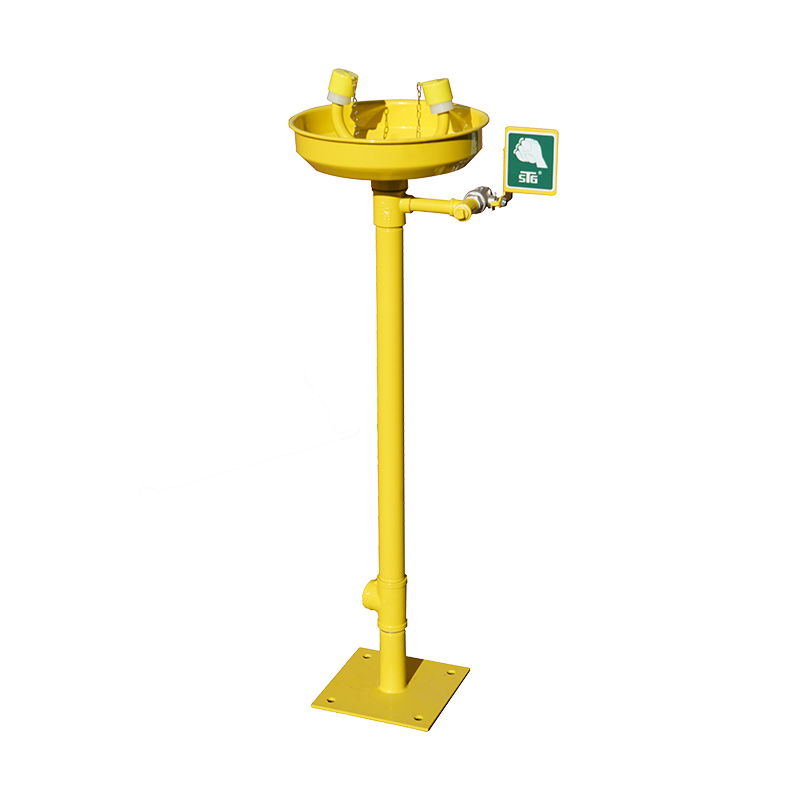
For highly corrosive substances such as strong acids or strong alkalis, the standard requires the eyewash or shower to be immediately adjacent to the hazard, effectively removing the 55 foot allowance entirely. This is because even a few seconds of delay when strongly corrosive chemicals contact skin or eyes can cause severe, irreversible tissue damage, whereas mild irritants allow more time before permanent injury occurs.
| Hazard Type | Maximum Access Time | Maximum Distance |
| General chemical hazards | 10 seconds | About 55 feet |
| Strong acids or alkalis | Immediate | Directly adjacent |
| Laboratory or lab-scale operations | 10 seconds | Same room, unobstructed |
Many facilities choose to install additional units even when not strictly required by the 55 foot rule, particularly in large open-plan production areas or warehouses where equipment layout naturally lengthens the walking route. Reducing travel distance further, even below the minimum requirement, tends to correlate with less severe outcomes in incident logs, since faster flushing after exposure directly reduces tissue damage and recovery time.
Path and Obstruction Requirements
Distance alone does not guarantee accessibility if the route to the unit is blocked or difficult to navigate. A compliant path must meet several additional conditions beyond simple footage.
- The path to the unit must be free of obstructions, including locked doors, stairs, pallets, or stored materials that could shift or accumulate over time.
- The unit must be located on the same level as the hazard, since climbing or descending stairs while vision is impaired by a chemical exposure is unsafe and slows response time significantly.
- Signage must be clearly visible from multiple angles, using standardized symbols, and the surrounding area must be well lit so the unit can be located quickly even under the stress of an emergency.
- Doors along the path, if they cannot be avoided entirely, should be self-closing and should swing in the direction of travel toward the unit rather than against it.
- Temporary obstructions, such as seasonal storage, construction equipment, or parked material handling carts, are a common compliance failure that facility managers should specifically check for during routine walkthroughs.
Installation Height and Activation Requirements
Accessibility is not only about how far a person must walk, it also depends on how easily the unit can be activated once reached, and this is a detail many facilities overlook when focused only on the distance requirement. ANSI/ISEA Z358.1 specifies that eyewash stations should activate in one second or less using a single motion, meaning a person should not need to search for a valve, twist a stiff handle, or perform multiple steps to start the flow of water.
Once activated, the unit should remain hands-free so the injured person can use both hands to hold their eyelids open, since chemical exposure often causes an involuntary blinking response that must be manually overcome to achieve effective flushing. A unit that requires the user to continuously hold a lever or button does not meet this practical accessibility standard, even if it technically activates quickly.
Shower units typically require a valve actuator, often a triangular pull rod, positioned between 33 and 45 inches from the floor, low enough for a person of varying height to reach quickly even while experiencing pain or impaired vision. Eyewash spray heads are generally mounted within a similar height range, positioned so the user can bring their face down into the water stream without bending awkwardly or straining their neck, since an uncomfortable position discourages a person from maintaining the full flushing duration needed.
Testing and Maintenance to Keep Equipment Accessible
An accessible unit that does not function properly when reached provides a false sense of safety. ANSI/ISEA Z358.1 recommends activating plumbed eyewash and shower units on a weekly basis to verify adequate flow and to flush any sediment, rust particles, or stagnant water out of the supply line, since water that has sat unused in pipework can actually introduce contamination into an open wound or exposed eye.
In addition to weekly checks, a full annual inspection should confirm that flow rate, spray pattern, valve function, and water temperature all meet the requirements needed to support a continuous 15 minute flushing cycle, which is the minimum duration recommended for most chemical exposure incidents. Facilities that skip these checks often discover during an actual emergency that a unit has reduced flow due to mineral buildup, a stuck valve, or a disconnected line, none of which would be obvious from a visual inspection alone.
- Weekly activation flushes stagnant water and confirms the valve opens smoothly under normal water pressure.
- Annual inspections should confirm a minimum flow rate suitable for a full 15 minute continuous flush without the user needing to hold anything in place.
- Any obstruction that has appeared in the access path since the last audit should be logged and removed immediately, not scheduled for later.
- Water temperature should be checked seasonally, since tepid water is required to encourage a full 15 minute flush, and water that is too cold or too hot discourages compliance with the required duration.
Training and Awareness as Part of True Accessibility
Physical accessibility only matters if employees know the unit exists and understand how to use it correctly under stress. Facilities with strong safety records typically combine the physical distance and installation requirements with regular training sessions that walk new employees through the actual location of each unit during onboarding, rather than relying solely on posted signage.
Practical drills, where employees physically walk to the nearest unit and practice the activation motion without water flowing, help reduce hesitation during a real event. This is particularly important in facilities with high staff turnover or seasonal workers, where institutional knowledge of equipment locations can otherwise be lost between training cycles.
Documentation and Ongoing Compliance Records
Maintaining accessibility over time requires more than a one-time installation review. Facilities should keep dated records of weekly activation checks, annual inspections, and any path obstructions identified and resolved, since these records are typically the first item requested during a safety audit or after an incident investigation.
A simple log near each unit, or a centralized digital tracking system, helps ensure that accessibility is verified consistently rather than assumed based on the original installation layout, which may no longer reflect current storage, equipment, or staffing conditions on the floor.
Practical Checklist for Compliance
- Measure the actual walking path, not a straight line, from each hazard point to the nearest unit.
- Confirm no locked doors, stairs, or stored materials separate the hazard from the equipment.
- Verify valve actuators and spray heads are mounted within the 33 to 45 inch height range.
- Test flow and activation time weekly, and log a full inspection annually.
- Install a properly rated Emergency eyewash and shower unit adjacent to any strong acid or alkali handling area, and confirm employees know its exact location through routine training.