English
 Deutsch
 España
 Français
 Italia
 Русский
 عربي
عربي


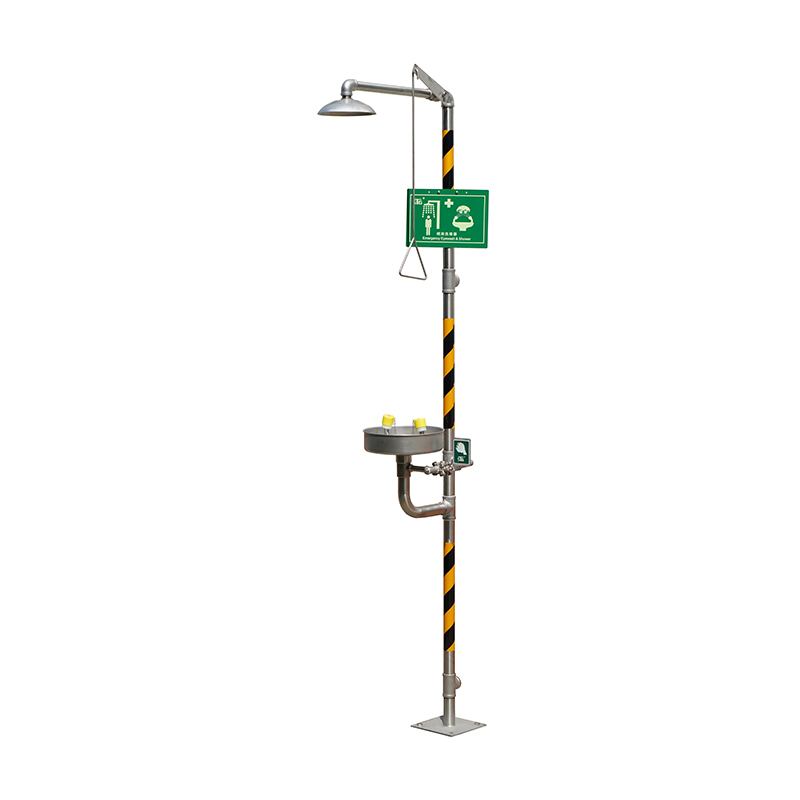
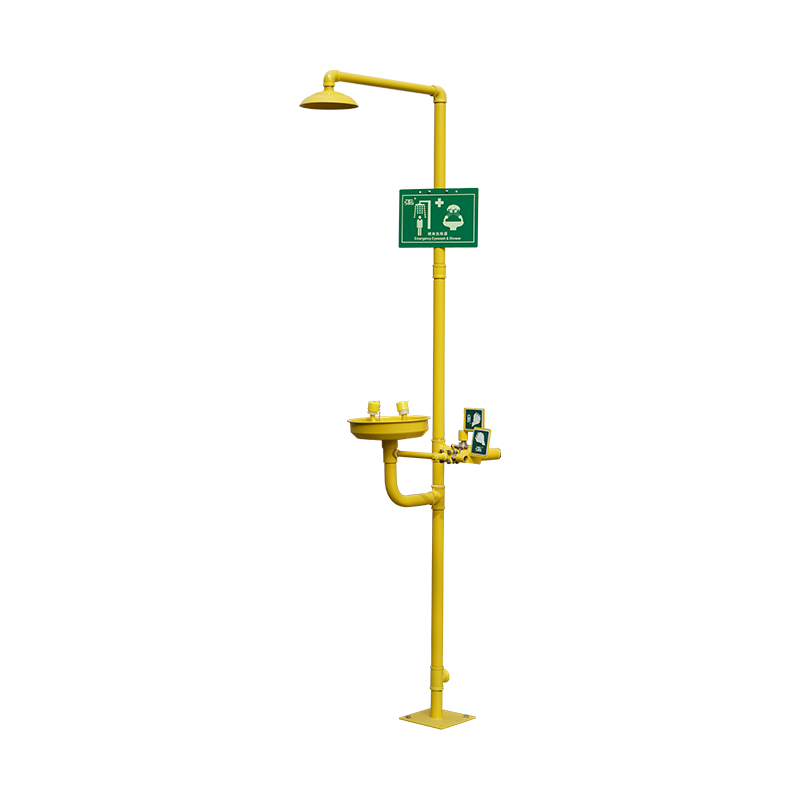
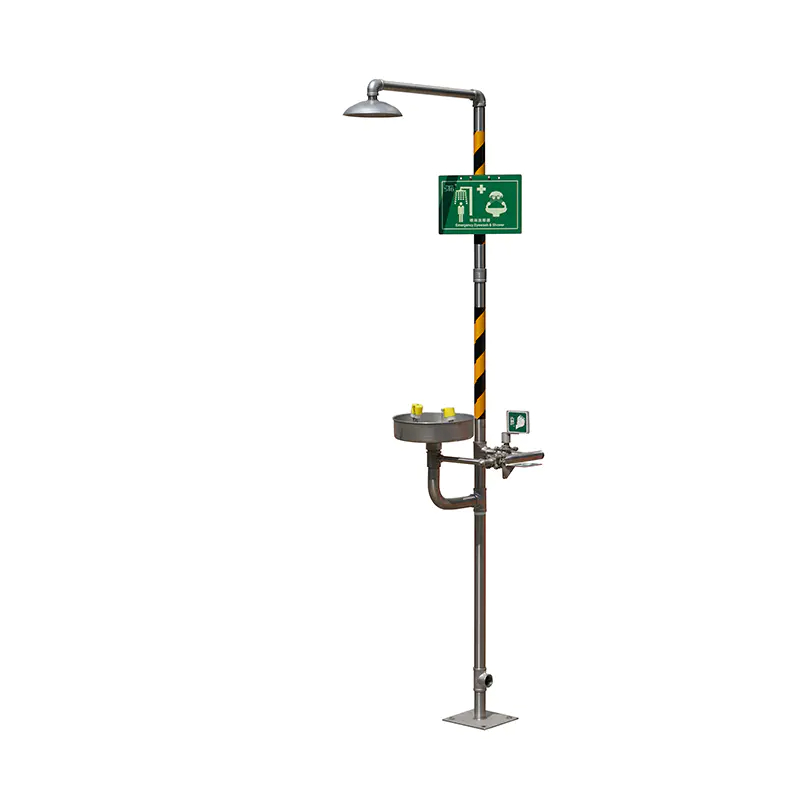
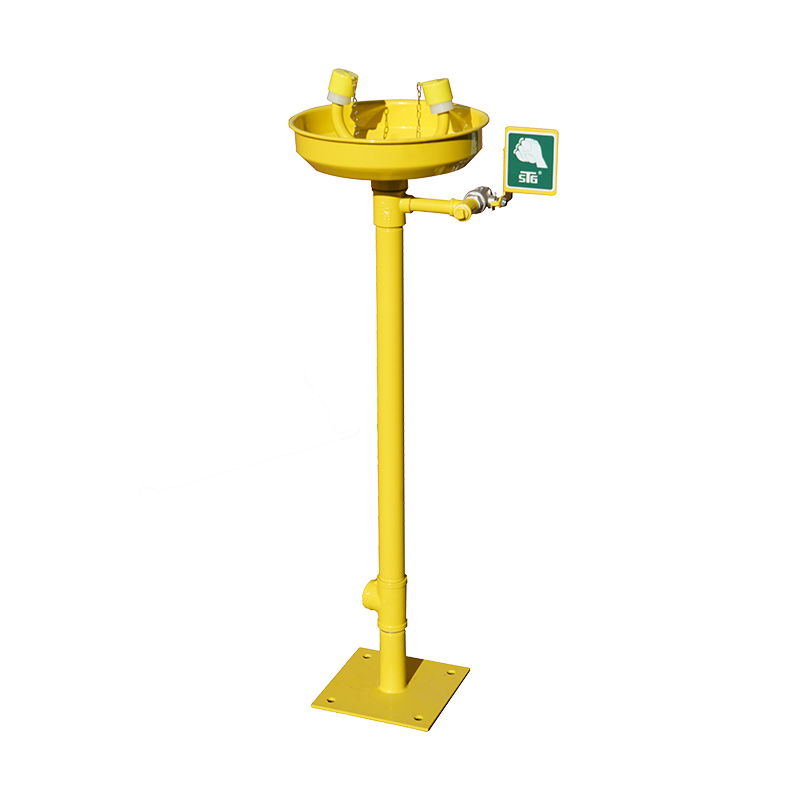
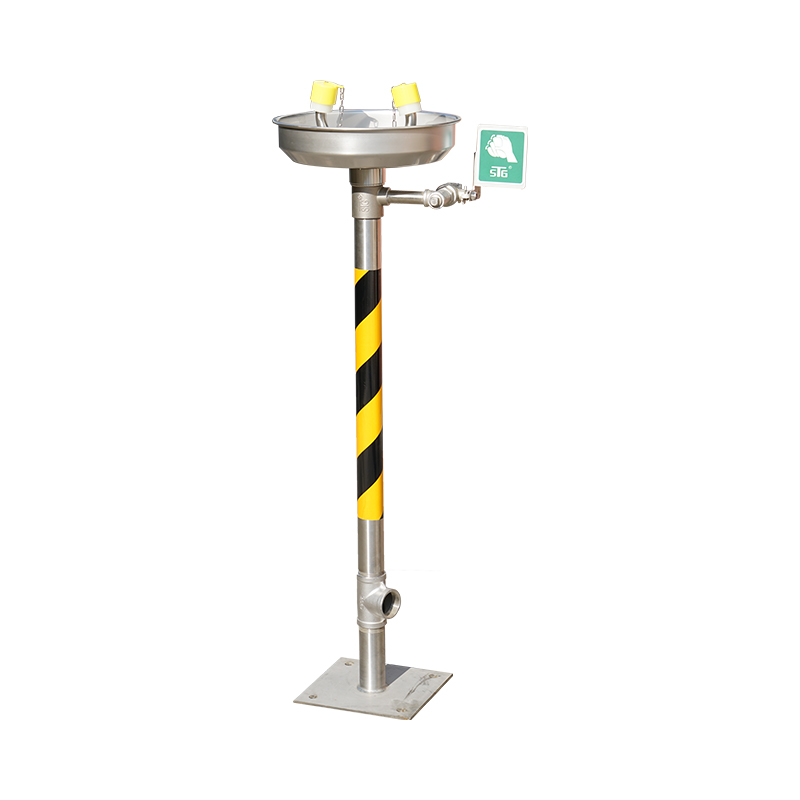
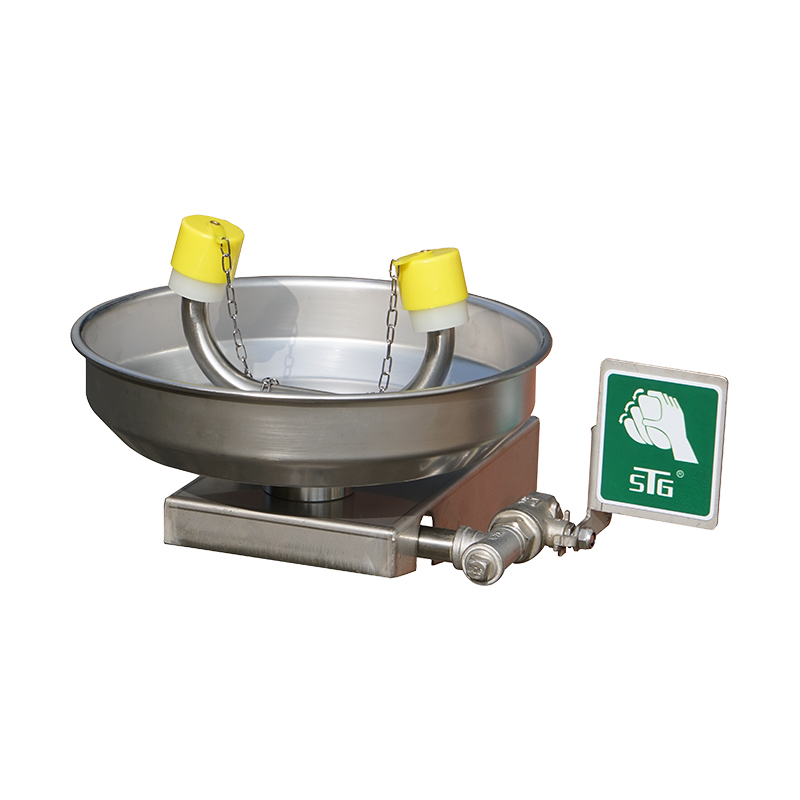
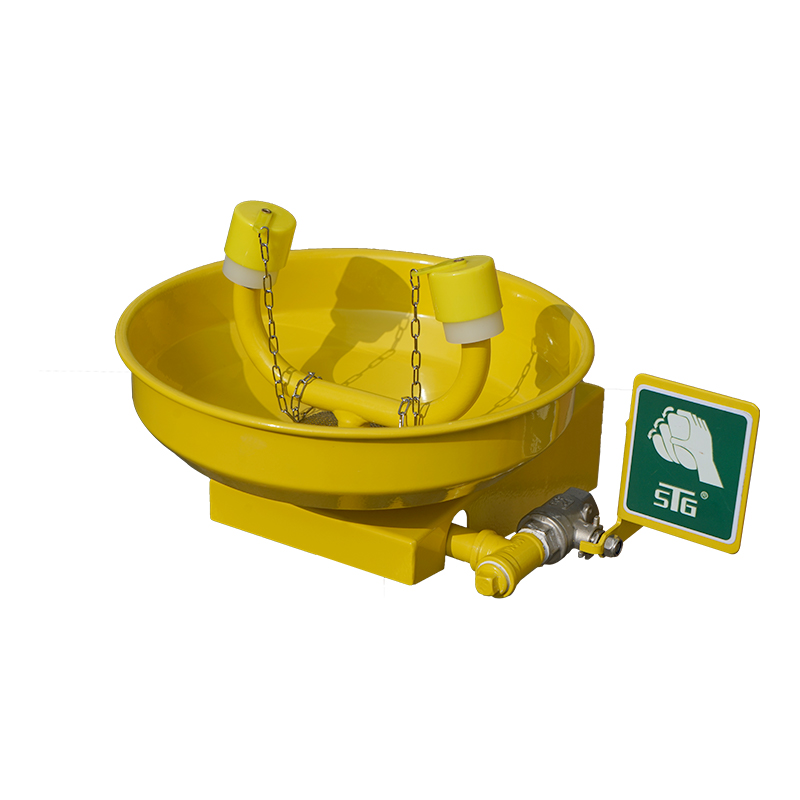
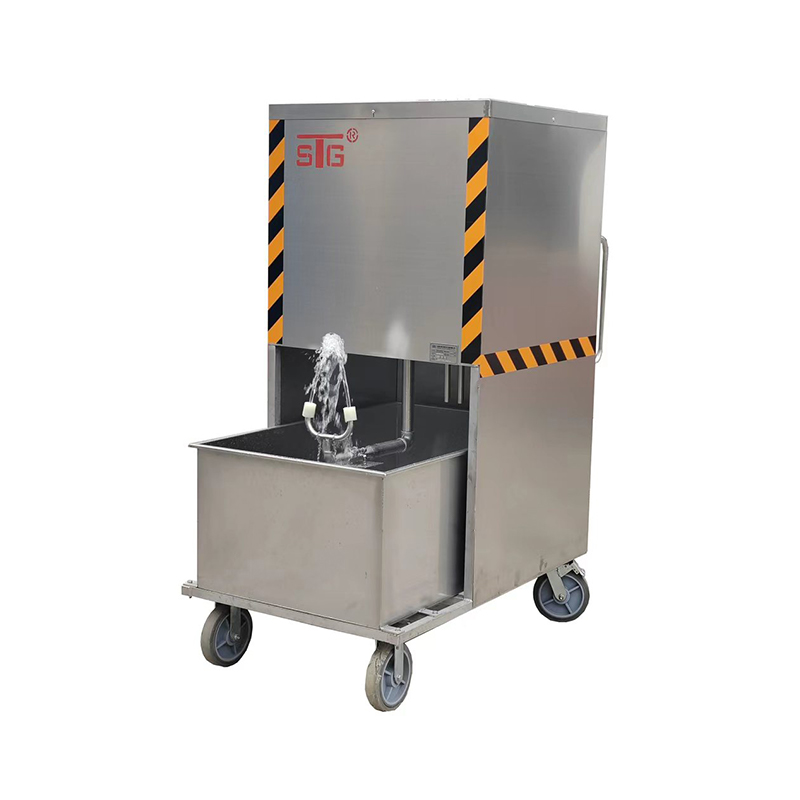
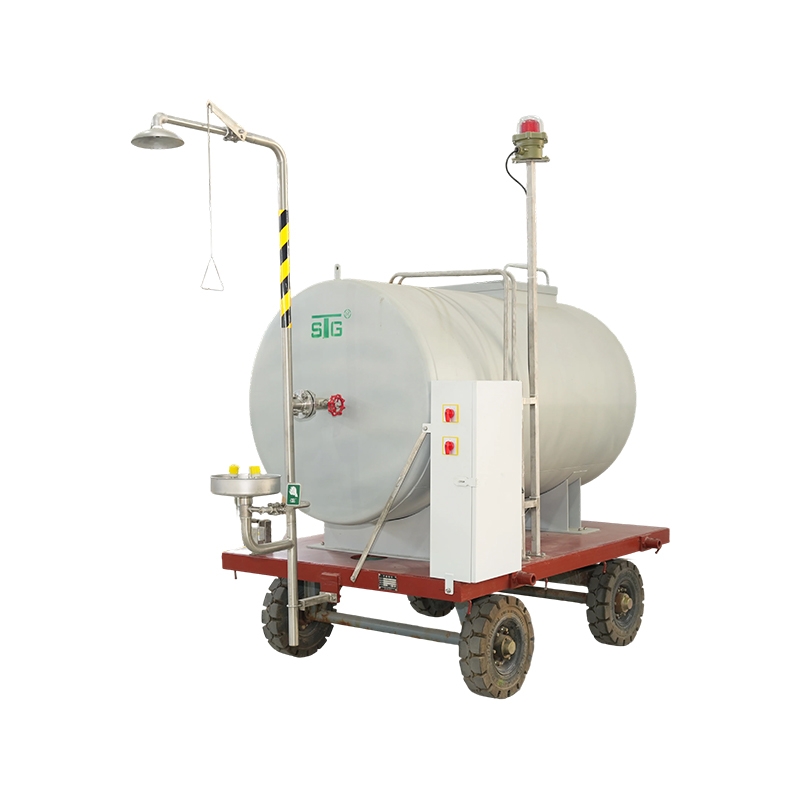
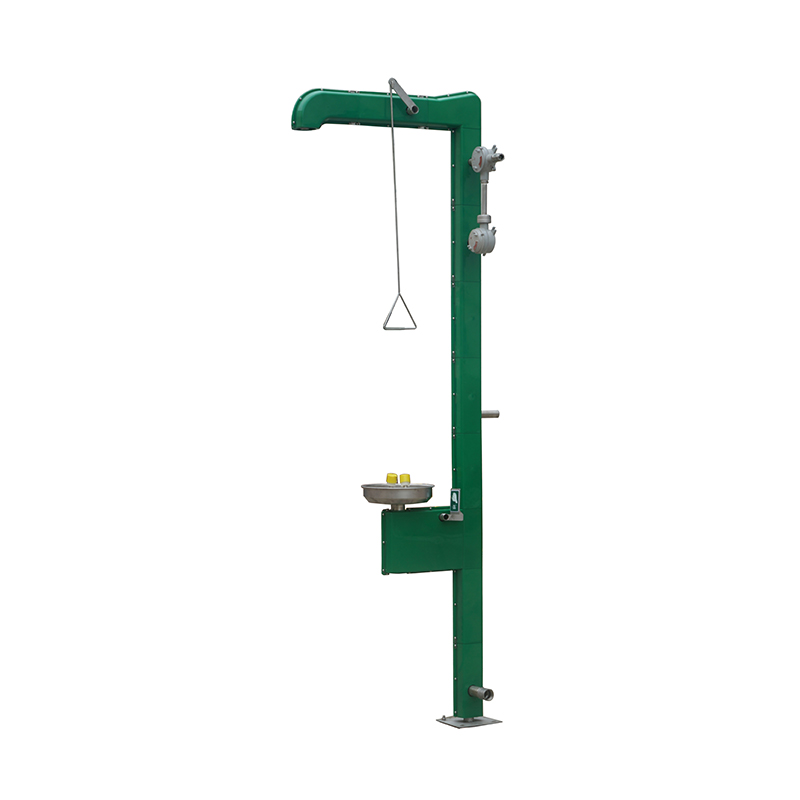
Emergency eyewash and shower equipment is necessary because it provides the fastest possible way to flush hazardous chemicals, particles, or contaminants from the eyes and skin, and the speed of this response directly determines whether an injury remains minor or becomes permanent. Occupational safety guidance commonly recommends that affected areas be flushed within 10 seconds of exposure and continuously for at least 15 minutes, which is why having a properly installed Emergency eyewash and shower station within immediate reach of hazardous work areas is treated as a fundamental safety requirement rather than an optional precaution.
The sections below explain the specific risks this equipment addresses, why response time is so critical, and the regulatory and practical factors that make emergency eyewash and shower stations a standard requirement in workplaces handling hazardous materials.
Protecting Against Chemical Exposure Injuries
Chemical splashes to the eyes or skin are among the most common serious injuries in industrial and laboratory settings, and immediate flushing is the primary way to limit damage.
How Chemical Burns Progress
When a hazardous chemical contacts the eye or skin, tissue damage can continue to worsen for as long as the substance remains in contact with the body. Corrosive substances in particular can cause progressively deeper tissue damage the longer they are left unaddressed, which is why immediate access to flushing water is so important.
Diluting and Removing the Contaminant
Continuous water flow works by diluting the concentration of the hazardous substance and physically washing it away from the affected area, reducing the duration and intensity of tissue exposure compared to relying on delayed or improvised rinsing methods.
Why Response Time Is the Critical Factor
The effectiveness of emergency eyewash and shower equipment depends heavily on how quickly it can be reached and activated after an exposure incident occurs.
| Response Time | Typical Outcome |
| Within seconds | Significantly reduced tissue damage risk |
| Delayed by one minute or more | Increased likelihood of deeper tissue injury |
| Significantly delayed response | Higher risk of permanent injury or vision loss |
This is why safety standards commonly referenced in occupational health guidance recommend that eyewash and shower stations be located within a 10 second travel distance from any area where hazardous chemical exposure risk exists, since even a short delay can significantly affect injury outcomes.
Regulatory Compliance Requirements
Beyond direct injury prevention, emergency eyewash and shower equipment is often a mandatory requirement under occupational safety regulations in workplaces handling hazardous substances.
- Workplaces handling corrosive chemicals are commonly required to provide accessible flushing facilities
- Equipment must generally deliver a continuous, hands free flow of flushing fluid for a minimum duration
- Facilities are typically required to test and maintain equipment on a regular schedule to confirm functionality
- Signage and clear pathways to equipment are often required to ensure workers can locate stations quickly during an emergency
Meeting these requirements is not simply a matter of avoiding regulatory penalties, since the same standards exist specifically because they reflect established best practices for minimizing injury severity following chemical exposure incidents.
Workplaces That Commonly Require This Equipment
Several industries handle materials or processes that create a meaningful risk of chemical or particulate exposure to the eyes and skin.
- Chemical manufacturing and processing facilities handling corrosive or irritant substances
- Laboratories conducting research or testing involving hazardous reagents
- Metal finishing and plating operations using acidic or caustic solutions
- Battery manufacturing and maintenance facilities handling corrosive electrolytes
- Agricultural facilities storing or applying concentrated pesticides and fertilizers
Facilities in these categories generally install multiple stations throughout hazardous work zones rather than relying on a single central unit, ensuring that every worker has rapid access regardless of where within the facility an exposure incident occurs.
Summary
Emergency eyewash and shower equipment is necessary because it provides the immediate flushing response required to limit tissue damage following chemical or particulate exposure, with response time being the single most critical factor in determining injury outcome. Combined with regulatory requirements and the practical realities of workplaces handling hazardous substances, reliable access to properly maintained eyewash and shower stations remains a fundamental element of workplace safety programs.