English
 Deutsch
 España
 Français
 Italia
 Русский
 عربي
عربي


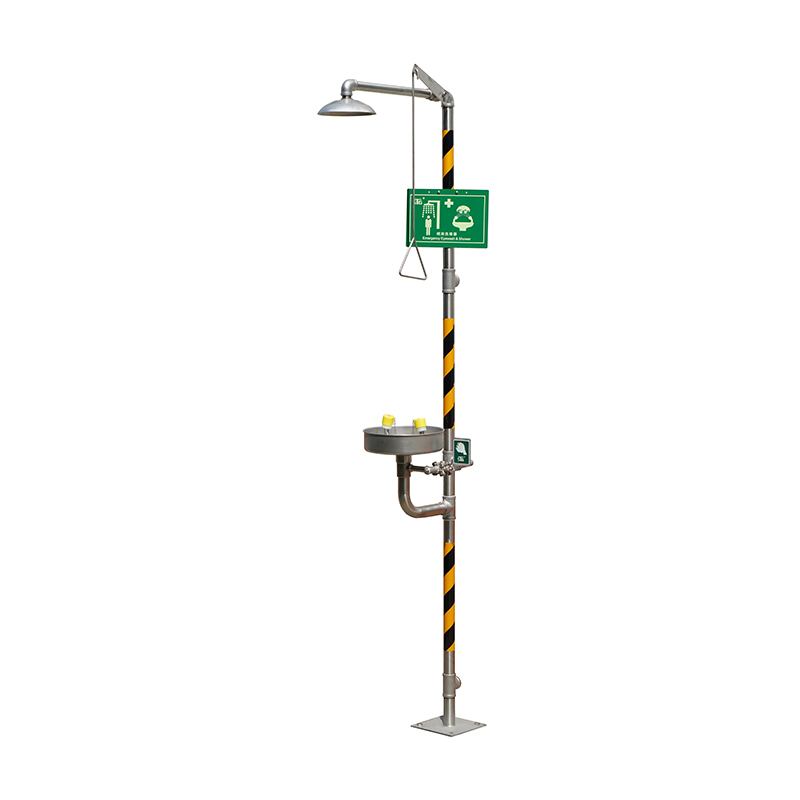
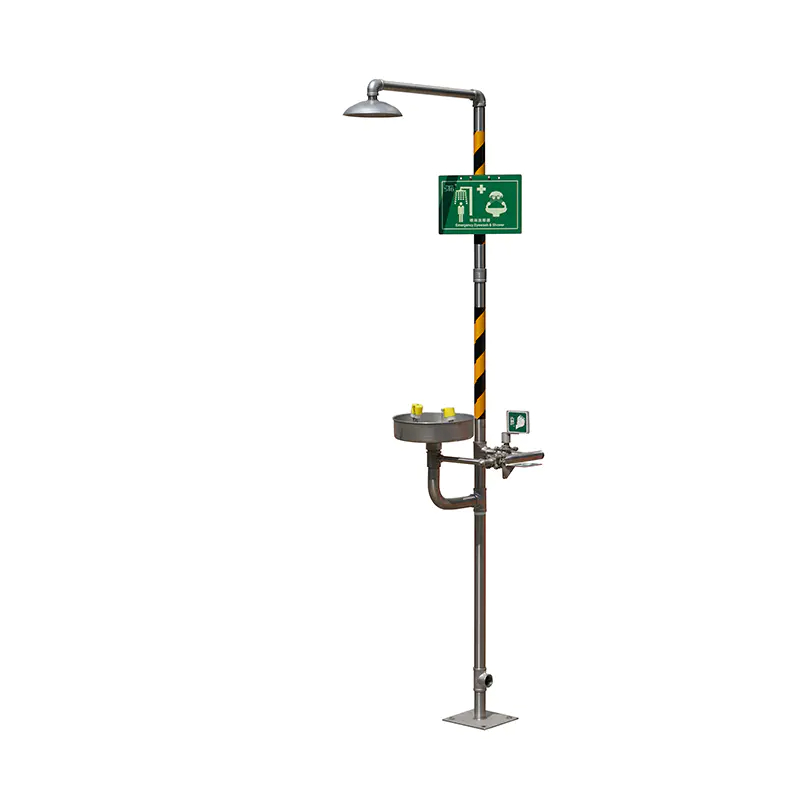
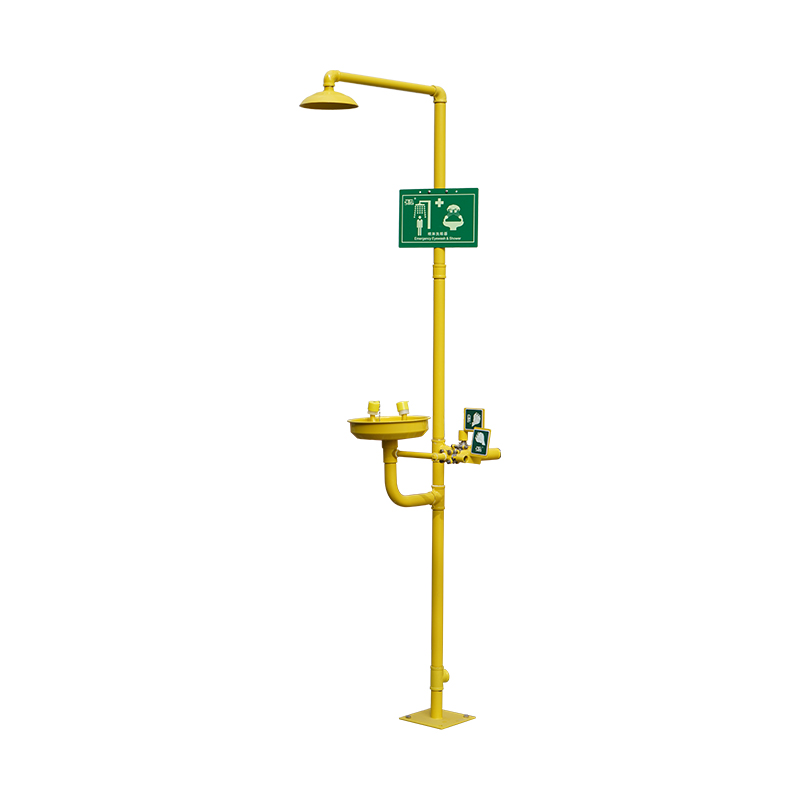
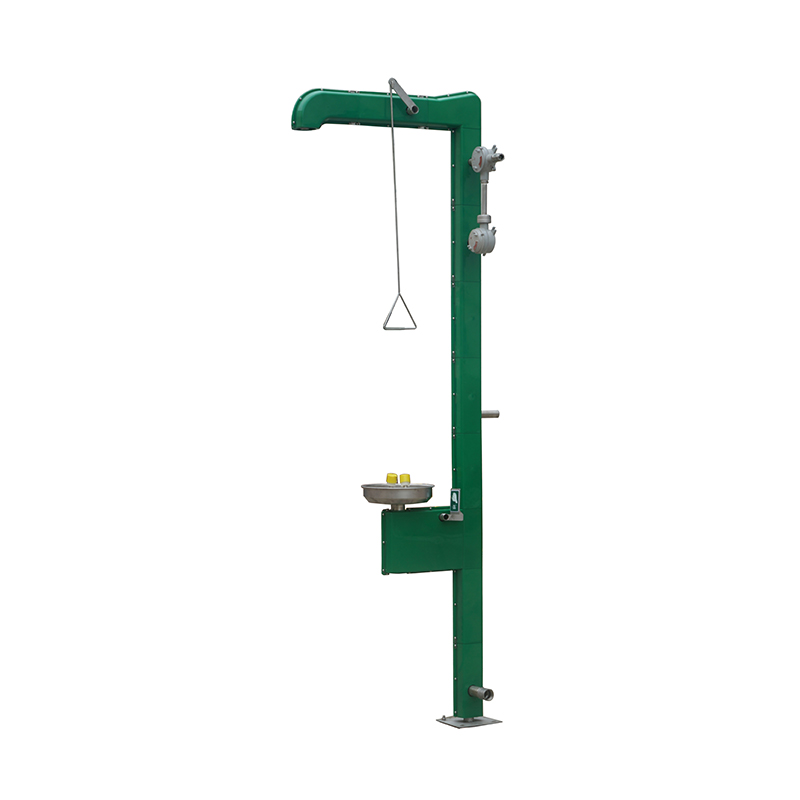
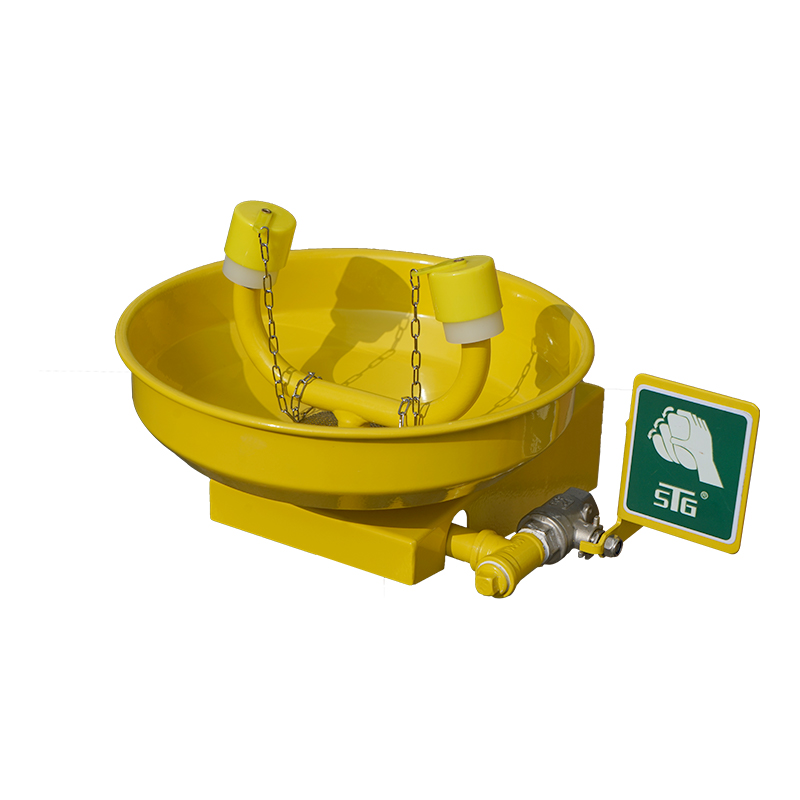
When exposed to a hazardous chemical splash, the correct way to use an Emergency eyewash and shower is to activate the unit immediately, hold the eyes open under the flushing water, and continue rinsing continuously for at least fifteen minutes. ANSI Z358.1, the standard governing emergency eyewash and shower equipment in workplace settings, specifies a minimum flush duration of fifteen minutes for most hazardous substances, and longer for certain corrosive chemicals as identified on the material safety data sheet for that substance.
Speed matters as much as duration. Safety guidance from occupational health organizations consistently emphasizes that chemical exposure to the eyes or skin should be treated within seconds, not minutes, since the damage caused by many corrosive substances progresses rapidly and continues as long as the chemical remains in contact with tissue. Delaying even a short time to remove gloves, find a colleague, or locate the nearest station can measurably worsen the outcome of a chemical burn.
Step by Step Eyewash Activation Procedure
Knowing the exact sequence to follow during an eye exposure incident removes hesitation in a moment when quick action matters most.
Correct eyewash use sequence
- Move to the nearest eyewash station immediately after exposure occurs
- Activate the unit using the hands-free paddle, lever, or foot pedal
- Hold the eyelids open manually so water reaches under the eyelid
- Rotate the eyes periodically to flush all areas thoroughly
- Continue flushing for the full recommended duration
- Seek medical evaluation immediately after flushing
It helps to have a co-worker call for medical assistance while the affected person is flushing, so that the full duration is not interrupted to make a phone call or walk to another area for help.
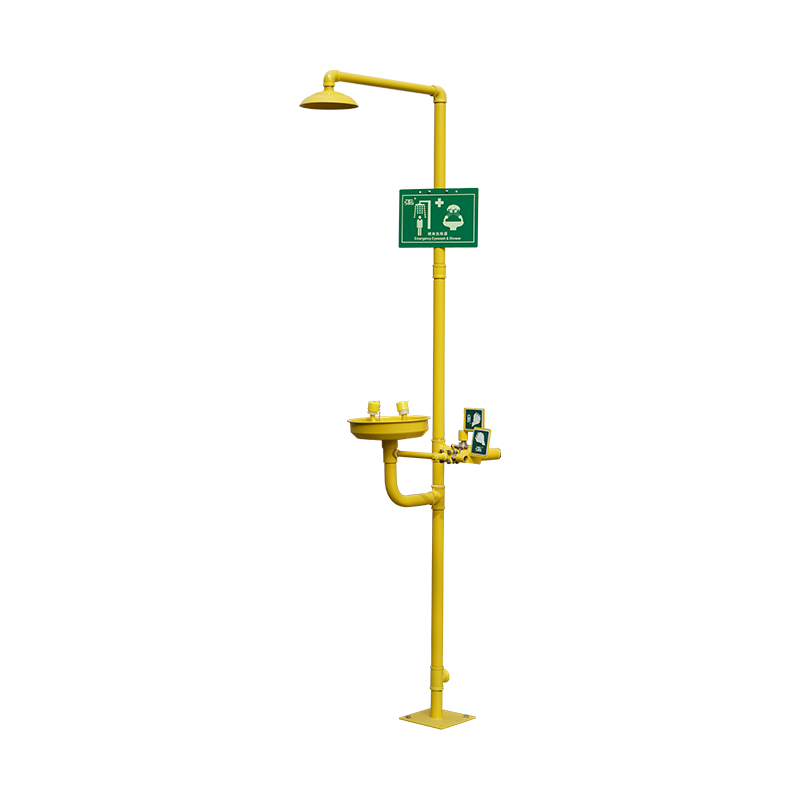
Correct Use of the Emergency Shower
For chemical exposure covering larger areas of the body, the emergency shower works alongside or instead of the eyewash, depending on the exposure location.
Shower activation steps
- Step directly under the shower head and pull the handle to start water flow immediately
- Remove contaminated clothing while continuing to rinse
- Continue rinsing for the full recommended duration
- Avoid rubbing the affected skin area
A colleague can assist by holding up a privacy curtain or providing a robe once the flush is complete, since many people hesitate to fully remove contaminated clothing without some level of privacy nearby.
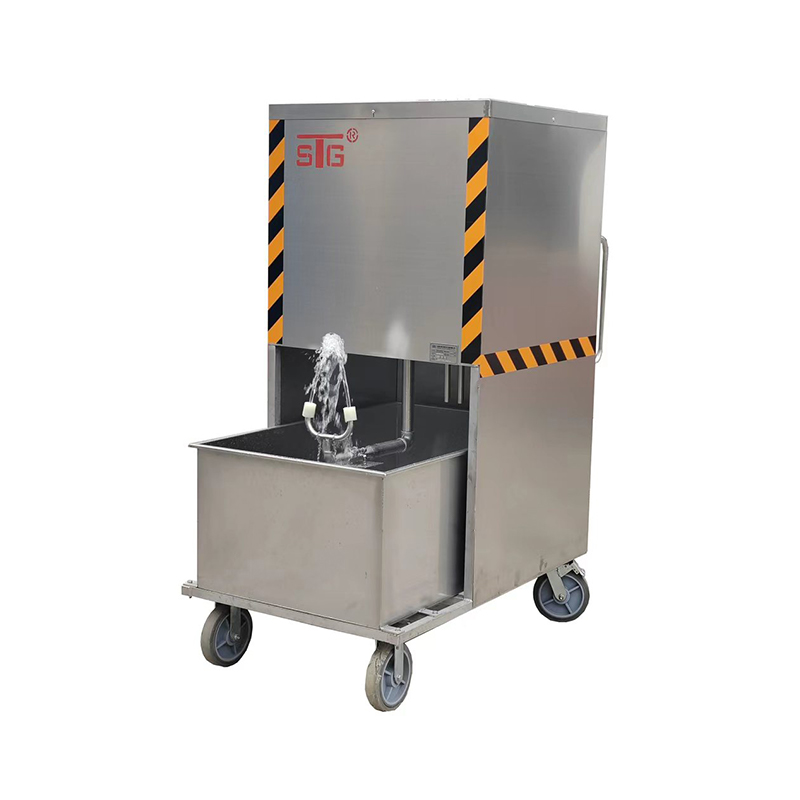
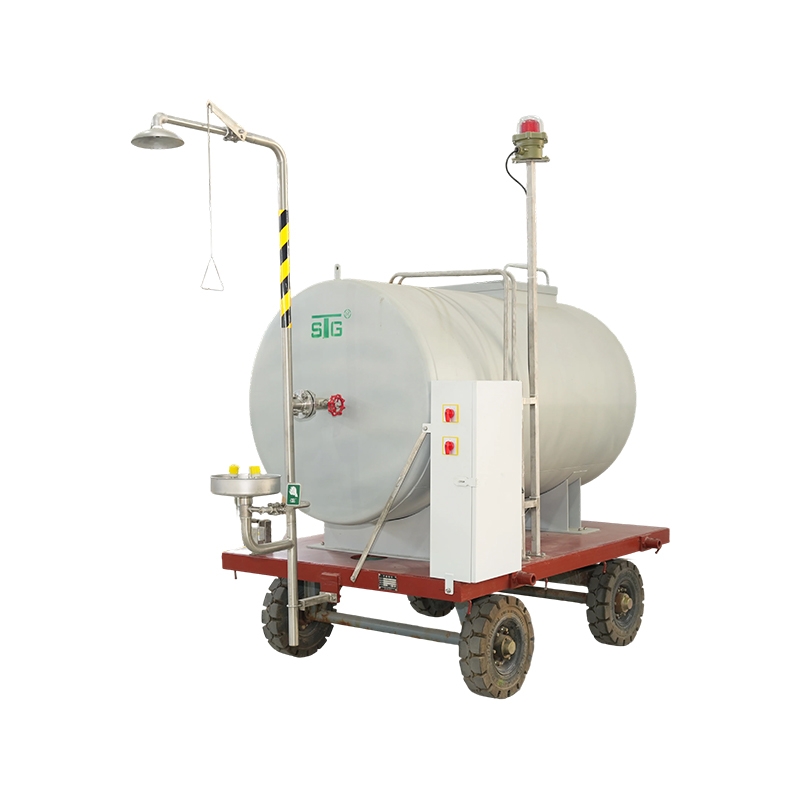
Types of Emergency Eyewash and Shower Units
Not every facility uses the same style of unit, and understanding the differences helps workers recognize and operate whatever equipment is installed in their specific work area.
Common unit configurations
| Plumbed eyewash and shower | Connected directly to a continuous water supply, delivering unlimited flush time |
| Self-contained eyewash | Uses a stored tank of flushing fluid, suited to remote locations without plumbing access |
| Combination unit | Integrates both eyewash bowls and a full-body shower head in a single station |
| Personal eyewash bottle | A portable supplementary device used to begin flushing en route to a full station |
Self-contained units require closer attention to fluid replacement schedules, since the stored solution has a limited shelf life and must be refreshed according to the manufacturer's recommended interval to remain effective and free of contamination.
Water Temperature and Placement Requirements
ANSI Z358.1 specifies a tepid water temperature range, generally between 16 and 38 degrees Celsius, so users can comfortably maintain the full flush duration. The unit must also be reachable within a ten-second walk from any hazard area, on the same level, without doors or stairs blocking the path.
| Eye exposure only | Use the eyewash bowls, holding eyelids open throughout |
| Skin exposure only | Use the shower head and remove contaminated clothing |
| Combined exposure | Activate both units, prioritizing the eyes first |
Considerations for Specific Chemical Exposures
While the general fifteen-minute rule applies broadly, some chemical classes carry additional guidance worth understanding before an incident occurs, since the correct response can vary slightly by substance.
Guidance by exposure type
- Strong acids and bases often require flushing on the higher end of the recommended range, closer to twenty minutes, per many material safety data sheets
- Exposure to hydrofluoric acid may require a specific antidote gel after initial water flushing, according to the substance's safety data sheet
- Dry powder chemicals should be brushed off the skin before flushing begins, since some dry compounds react with water
- Any lingering irritation after the recommended flush time warrants continued rinsing until medical personnel arrive
Always consult the specific material safety data sheet for the chemical involved, since it provides the authoritative first-aid guidance for that exact substance rather than relying on general assumptions about chemical exposure treatment.
Routine Testing and Maintenance
An unmaintained unit may fail to deliver adequate flow or dispense water with sediment that could worsen an injury.
- Activate and flush each unit weekly to clear sediment
- Inspect nozzle covers to prevent contamination between uses
- Verify water temperature falls within the tepid range
- Conduct a full annual inspection of flow rate and activation function
Facilities often keep a simple log sheet next to each station so that the weekly test can be dated and initialed, creating a documented record that helps during safety audits and demonstrates ongoing compliance with maintenance requirements.
Common Mistakes During an Emergency Response
Even well-trained employees can make avoidable errors during the stress of an actual chemical exposure incident, and recognizing these patterns in advance helps prevent them.
- Stopping the flush early because discomfort has subsided before the full duration has passed
- Rubbing the eyes or skin, which can drive the chemical deeper into tissue
- Wasting time searching for a specific person or supervisor before beginning treatment
- Failing to remove contaminated clothing or jewelry that continues trapping the chemical against the skin
Reinforcing during training that the flush should never be cut short, even when the affected person insists they feel fine, helps prevent this common and potentially serious mistake.
Documenting an Exposure Incident
After the immediate flushing response and medical evaluation, documenting the incident accurately supports both the injured worker's ongoing care and the facility's broader safety program.
Information typically recorded
- The specific chemical or substance involved in the exposure
- The exact time flushing began and its total duration
- Which station or unit was used and its location
- Any follow-up medical treatment provided after the initial response
This record also gives safety managers useful data over time, helping identify whether certain work areas experience repeated incidents that may call for additional engineering controls or revised handling procedures.
Employee Training and Preparedness
Even a well-maintained station is only effective if employees know how to use it under pressure. Regular hands-on training reduces hesitation during a real incident.
- Conduct hands-on drills where employees physically activate the unit rather than only reviewing it in a presentation
- Point out the location of the nearest station during onboarding for every new work area
- Reinforce the full fifteen-minute flush requirement during periodic safety refreshers
- Review incident response steps alongside routine equipment testing
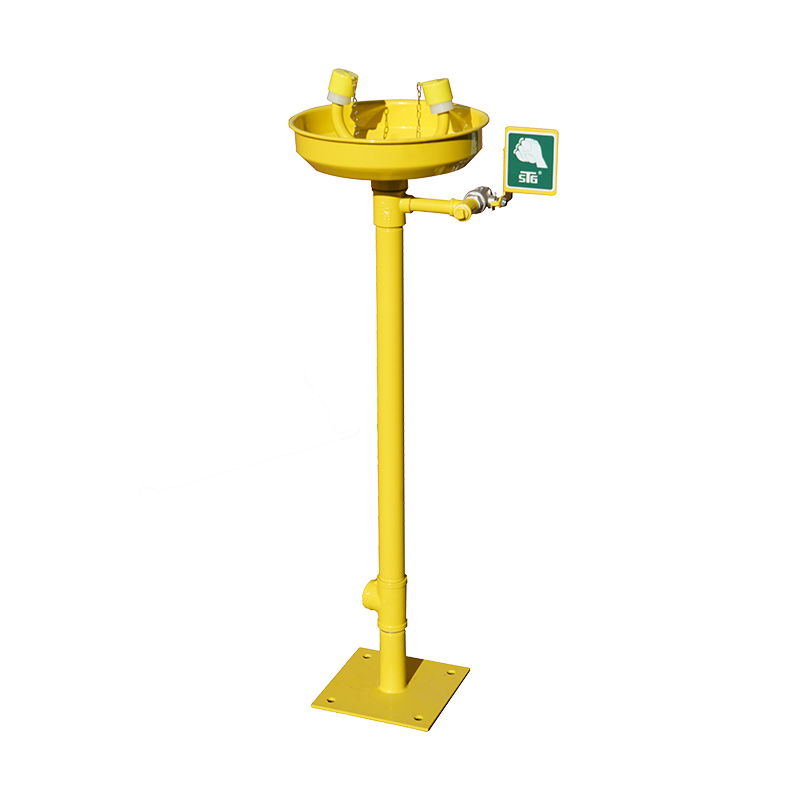
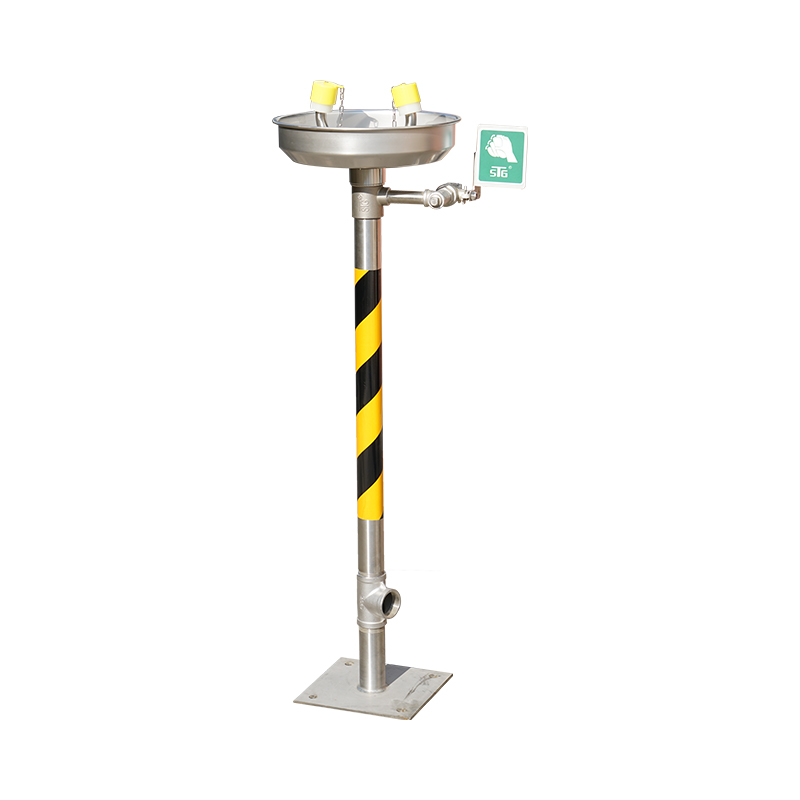
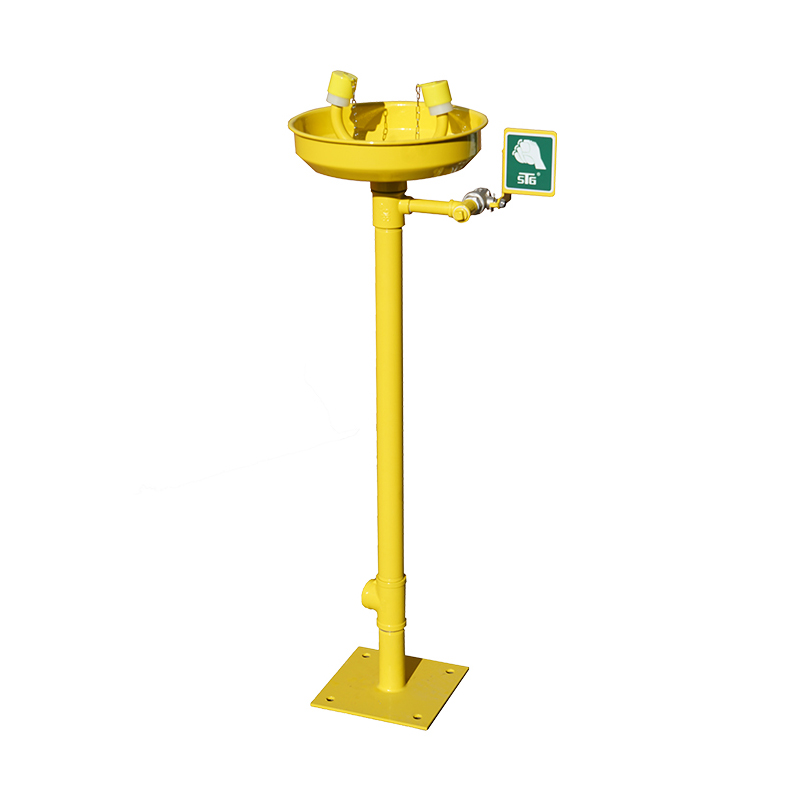
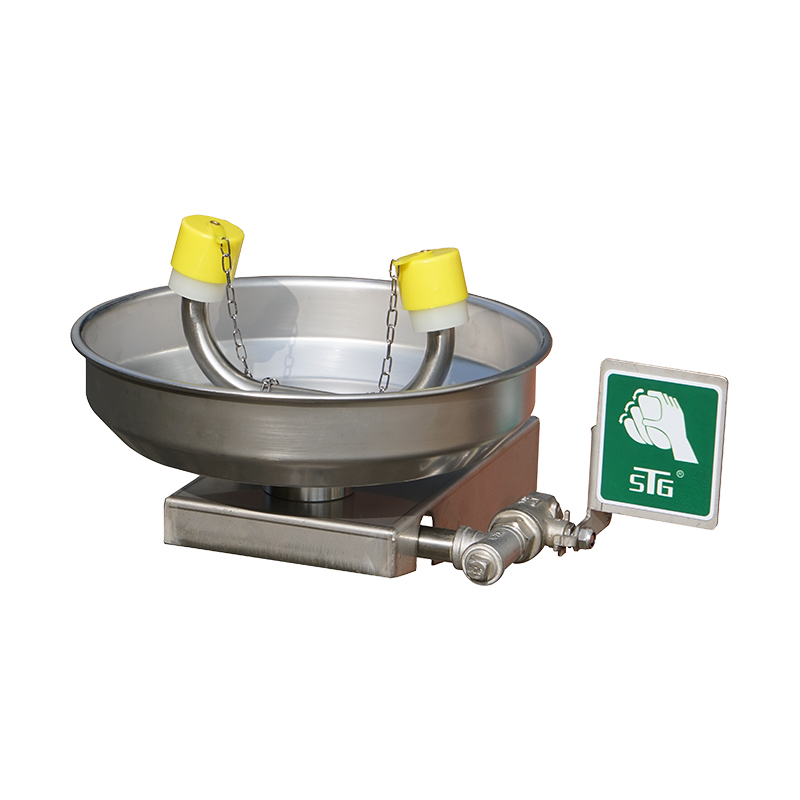
Manufacturers such as STG design their Emergency eyewash and shower units with simple, hands-free activation specifically to support fast, correct use during a genuine chemical exposure emergency, reducing the number of steps a worker must remember while under stress.