English
 Deutsch
 España
 Français
 Italia
 Русский
 عربي



A plumbed eyewash station should be activated and flushed once a week, cleaned on a set schedule, and given a full inspection at least once a year. These intervals come from ANSI/ISEA Z358.1, the standard that OSHA inspectors and safety auditors commonly use to judge emergency eyewash equipment. A weekly flush clears stale water and sediment, confirms the valve opens, and proves the unit will deliver a clean, steady stream when someone needs it in the first seconds after a chemical splash.
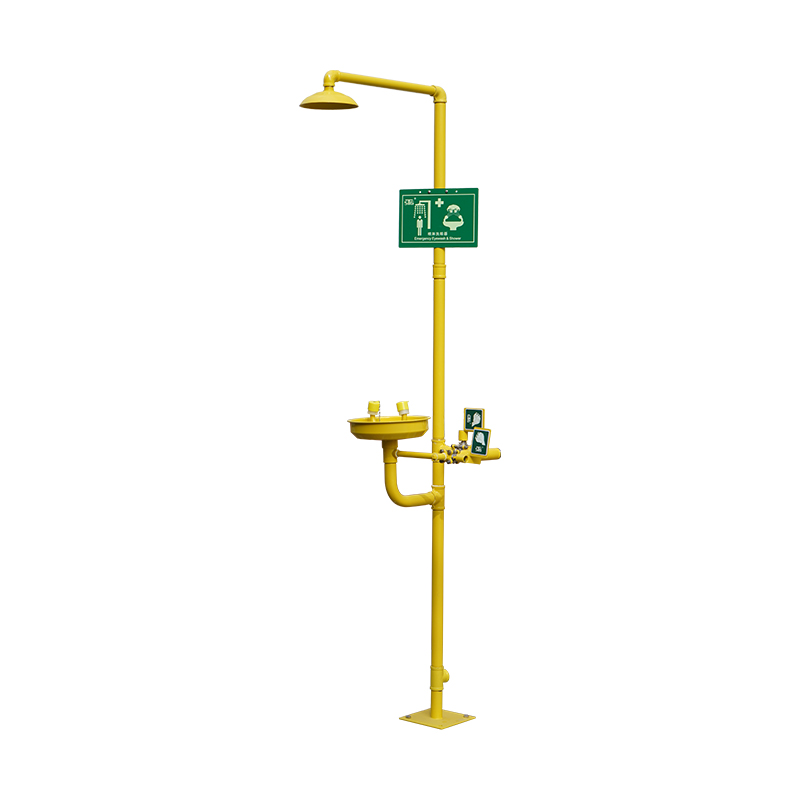
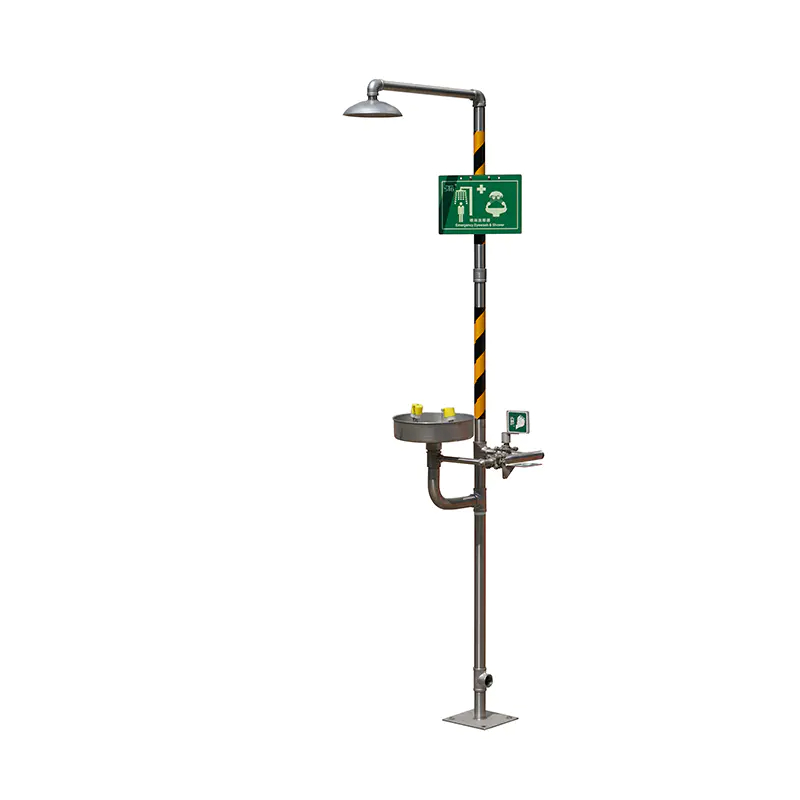
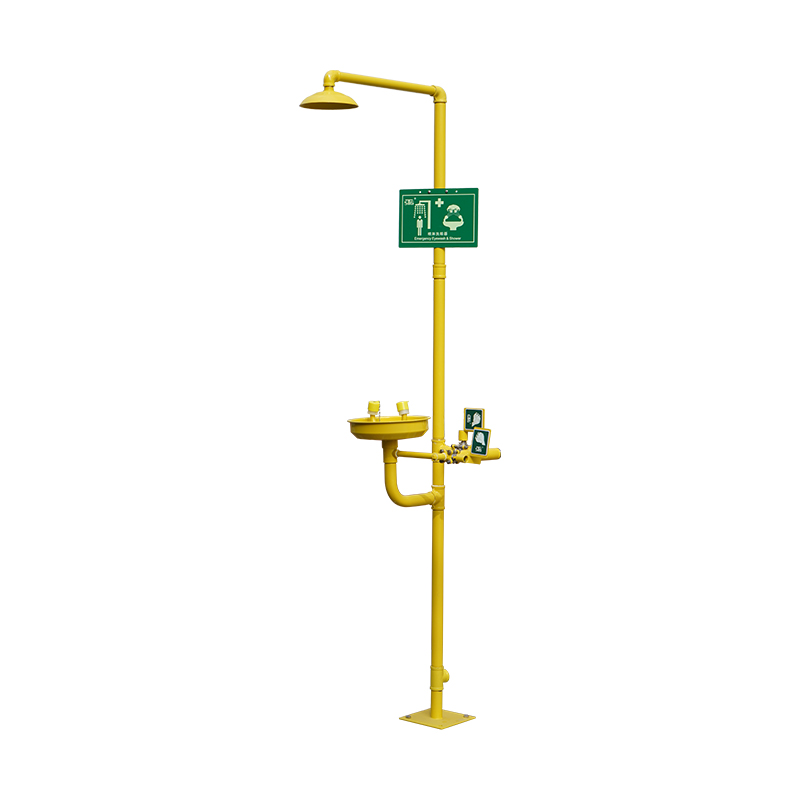
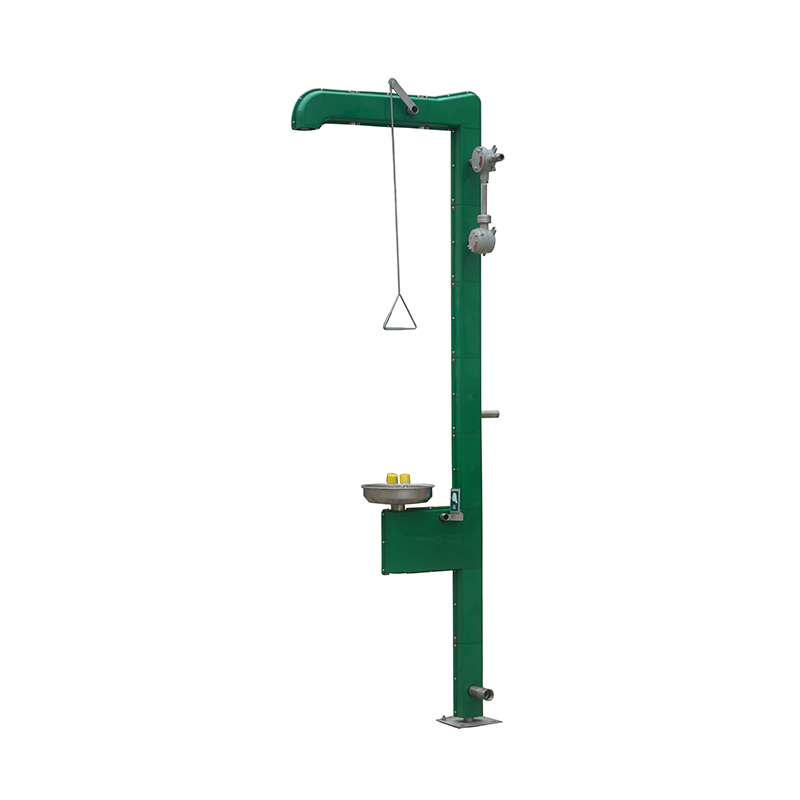
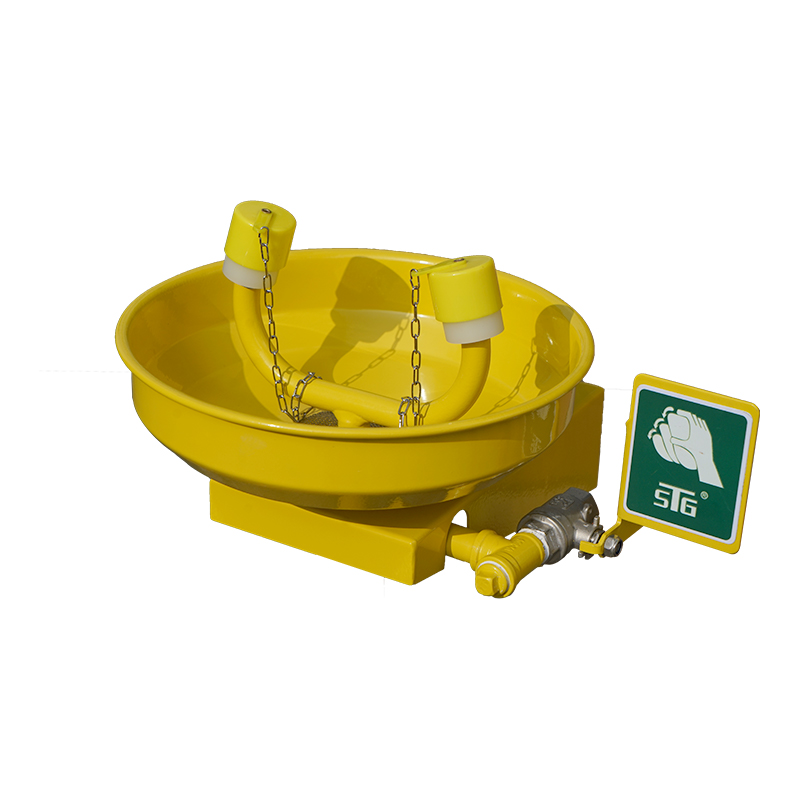
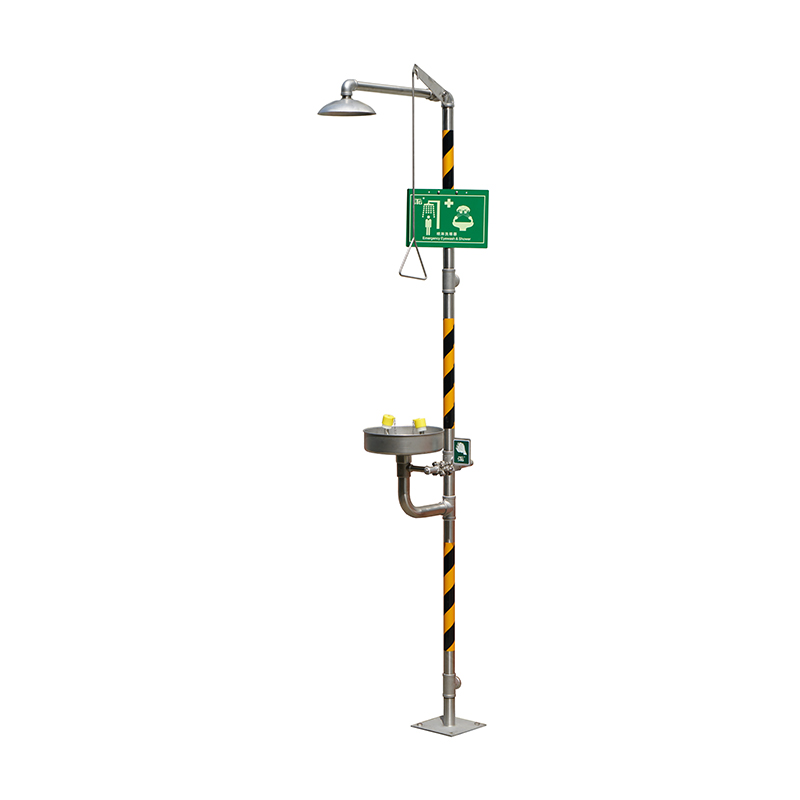
This guide gives you the exact weekly routine, the cleaning steps, the annual checks and a troubleshooting table. If you are planning a new installation or replacing worn equipment, a certified Emergency eyewash and shower unit installed with an accessible, well-lit location makes every task below easier to carry out.
Why maintenance matters more than the equipment itself
Eye injuries at work are common. The CDC National Institute for Occupational Safety and Health (NIOSH) reports that about 2,000 U.S. workers have a job-related eye injury that needs medical treatment every day. When a corrosive or irritating chemical gets into an eye, damage can start within seconds, so a unit that is clogged, dry or contaminated can turn a minor incident into a serious one.
OSHA 29 CFR 1910.151(c) requires suitable facilities for quick drenching or flushing of the eyes and body wherever workers may be exposed to injurious corrosive materials. ANSI/ISEA Z358.1 sets out how those facilities must perform and how they must be kept in working order. The two documents work together: OSHA states the duty, and the ANSI standard describes what a compliant unit looks like.
What a working unit must deliver
The performance values below are taken from ANSI/ISEA Z358.1. Your weekly and annual checks should confirm each one.
| Equipment type | Minimum flow | Minimum duration |
|---|---|---|
| Eyewash | 1.5 liters per minute (0.4 gallons per minute) | 15 minutes |
| Eye and face wash | 11.4 liters per minute (3.0 gallons per minute) | 15 minutes |
| Emergency shower | 75.7 liters per minute (20 gallons per minute) | 15 minutes |
Source: ANSI/ISEA Z358.1, Emergency Eyewash and Shower Equipment. The standard also calls for tepid water, defined as 16 to 38 degrees Celsius (60 to 100 degrees Fahrenheit), and for the unit to be reachable within about 10 seconds, which is roughly 55 feet (16.8 meters) of travel from the hazard.
Weekly flush: step-by-step procedure
For plumbed units, Z358.1 calls for weekly activation. The goal is to verify operation and remove stagnant water from the line. The standard does not set a fixed flush time, so write the duration into your own procedure. A practical rule is to run the unit until the water is clear and at a stable temperature, and to keep the same time every week so results can be compared.
- Check that the path to the unit is clear and that nothing is stored in front of it.
- Confirm the sign is visible and the area is well lit.
- Open the valve with one motion and note that the dust covers come off the nozzles.
- Watch the water for color, particles, rust or odor, and note the first few seconds in particular.
- Confirm both streams rise to a similar height and form a soft, even arc, not a hard jet.
- Check the water temperature by hand and compare it with the tepid range.
- Confirm the valve stays open without being held, so the user's hands are free to hold the eyelids open.
- Close the valve, drain the bowl if needed, and replace or reseat the nozzle covers.
- Sign and date the inspection tag or log.
Why stale water is a real hazard
Water sitting in a dead-end branch pipe can carry rust, scale and microorganisms. The CDC notes that Legionella bacteria grow in warm, stagnant water systems, and an eyewash branch that is rarely used fits that description. Flushing every week replaces the water in the branch and lowers the chance that a user receives dirty water into an already injured eye.
Cleaning steps that keep nozzles and bowls safe
Flushing handles the water, but the parts that touch dust and air also need attention. Dust, insects and spray mist collect on nozzles and in the bowl between uses. Build the following tasks into a monthly or quarterly schedule, and clean sooner if the area is dusty.
- Nozzles and covers: wipe the outside, remove visible deposits and make sure the covers still pop off easily at low force.
- Bowl and drain: clean with mild detergent, rinse with clean water and check that the drain is not blocked.
- Pull handle, foot pedal and valve: wipe off chemical residue and check for corrosion or stiffness.
- Sign and surrounding floor: keep the sign clean and keep the floor free of slip hazards, because wet floors are expected during use.
- Strainers or inlet filters: where fitted, remove and rinse them if flow has dropped.
Avoid strong solvents or abrasive pads on plastic parts, since they can crack or cloud the material. If the unit sits in a corrosive atmosphere, shorten the cleaning interval and choose corrosion resistant materials when you buy replacement equipment.
Self-contained units need different care
Self-contained eyewash units hold their own flushing fluid and are not connected to a water line. They must be checked on the schedule given by the manufacturer, usually including a visual check each week, and the fluid must be replaced by the date printed on the container or according to the maker's instructions. ANSI/ISEA Z358.1 also treats personal wash bottles as supplemental only, so they do not replace a fixed station that provides a 15 minute flush.
Annual inspection: what to measure and record
Once a year, a trained person should check the whole installation against the standard. A weekly flush shows that water comes out, while an annual inspection shows that the unit is installed and performing correctly.
| Item to check | What to confirm |
|---|---|
| Valve activation | Opens in one second or less and stays open without the user holding it |
| Flow rate | Meets the minimum for the unit type for 15 minutes |
| Nozzle height | Eyewash nozzles between 83.8 and 134.6 cm (33 to 53 inches) from the floor |
| Shower head height | Between 208 and 244 cm (82 to 96 inches), with the spray pattern centered at least 40.6 cm (16 inches) from any wall |
| Water temperature | Tepid, 16 to 38 degrees Celsius (60 to 100 degrees Fahrenheit) |
| Location | Within 10 seconds of travel, on the same level as the hazard, with no doors or obstacles |
| Signage and lighting | Sign is visible and the area is brightly lit |
| Records | Inspection tag is updated and the log is complete |
Source: ANSI/ISEA Z358.1 installation and performance requirements. Keep the annual report with your safety records, because it is one of the first documents an auditor will ask for.
Troubleshooting common problems
| Problem found | Likely cause | Action |
|---|---|---|
| Rusty or cloudy water at first flush | Stagnant water or pipe corrosion | Flush until clear; if it returns, inspect the branch line and arrange repair |
| Weak or uneven stream | Blocked nozzle, scale or low supply pressure | Clean nozzles, check the strainer and test the supply pressure |
| Valve sticks or is hard to open | Corrosion or lack of use | Clean and replace worn parts; the valve must open in one second or less |
| Water too cold or too hot | No tempering device or poor mixing | Install or service a tempering valve to keep the water tepid |
| Nozzle covers missing | Lost during cleaning or damage | Replace the covers so dust does not enter the nozzle |
| Unit blocked by boxes or equipment | Poor housekeeping | Clear the area, mark the floor and add the check to the weekly routine |
Tag the unit as out of service if it cannot meet the standard, and give workers a safe alternative location until the repair is done. A broken unit with no warning is more dangerous than no unit at all, because people will run toward it.
Cold weather, hot water and special environments
Outdoor and unheated areas call for extra planning. Frozen pipes mean no flow at the worst moment, so use freeze protected units, heat tracing or insulated enclosures, and test them during the first cold days of the year. In hot climates the opposite problem appears: water in exposed pipes can become too warm, and water above the tepid range can scald an eye that is already injured. A tempering valve or a shaded, buried supply line helps keep the temperature inside the range.
Workplaces with dust, spray or corrosives
Battery rooms, plating lines, laboratories, cleaning product plants and agricultural chemical stores all expose the unit to splashes, so the housing and nozzles need more frequent cleaning. In these places, consider a unit made from corrosion resistant material and place it as close to the hazard as the 10 second rule allows.
Choosing equipment that is easier to maintain
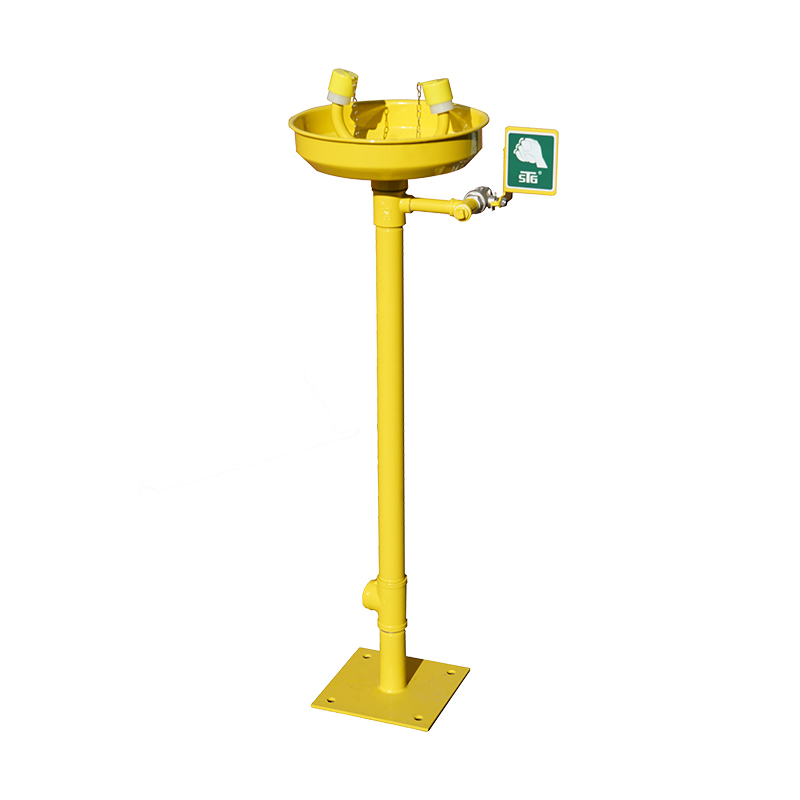
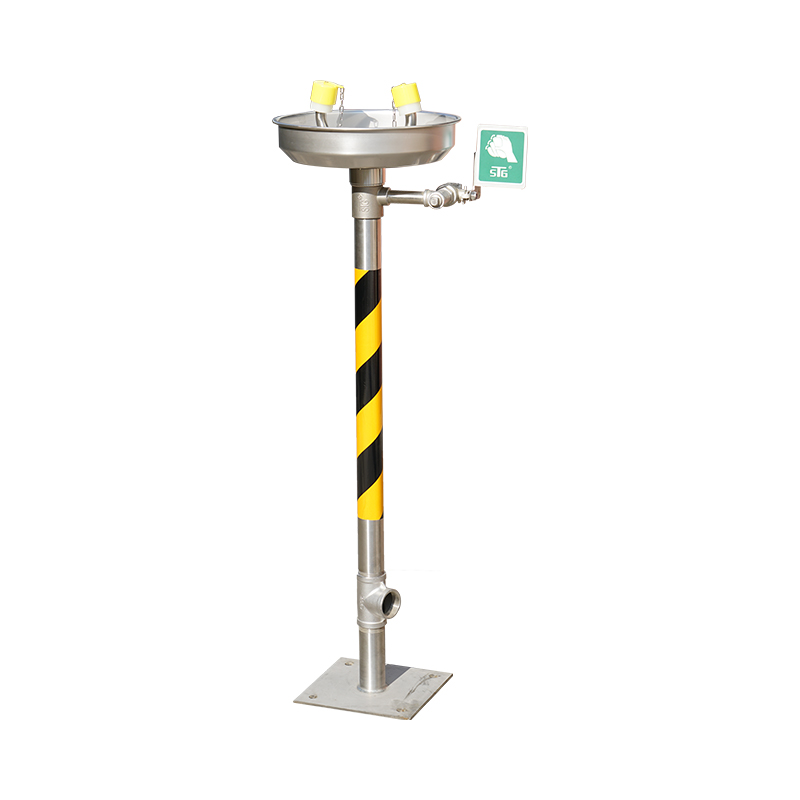
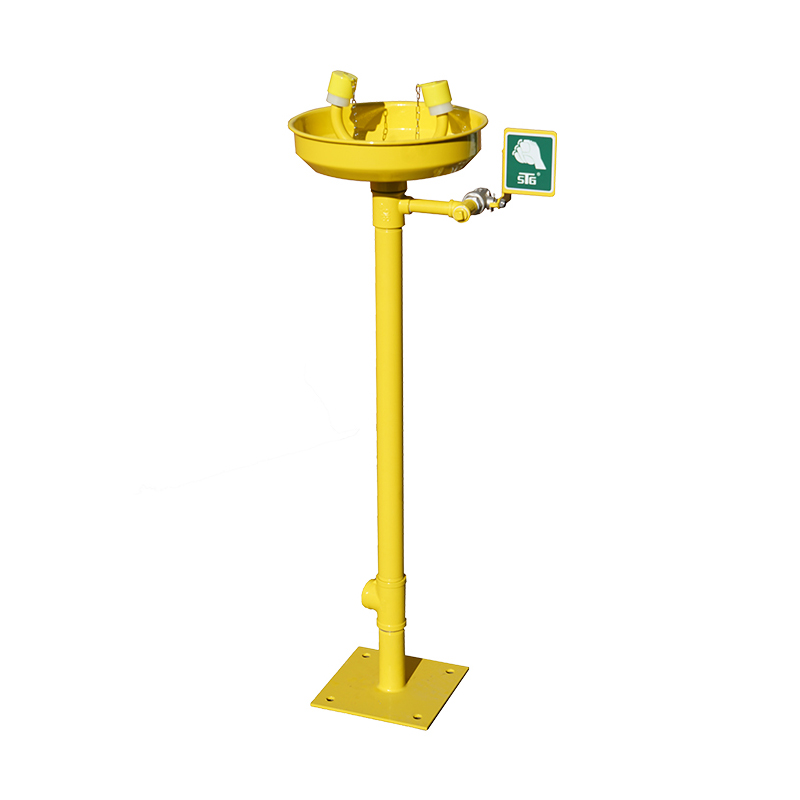
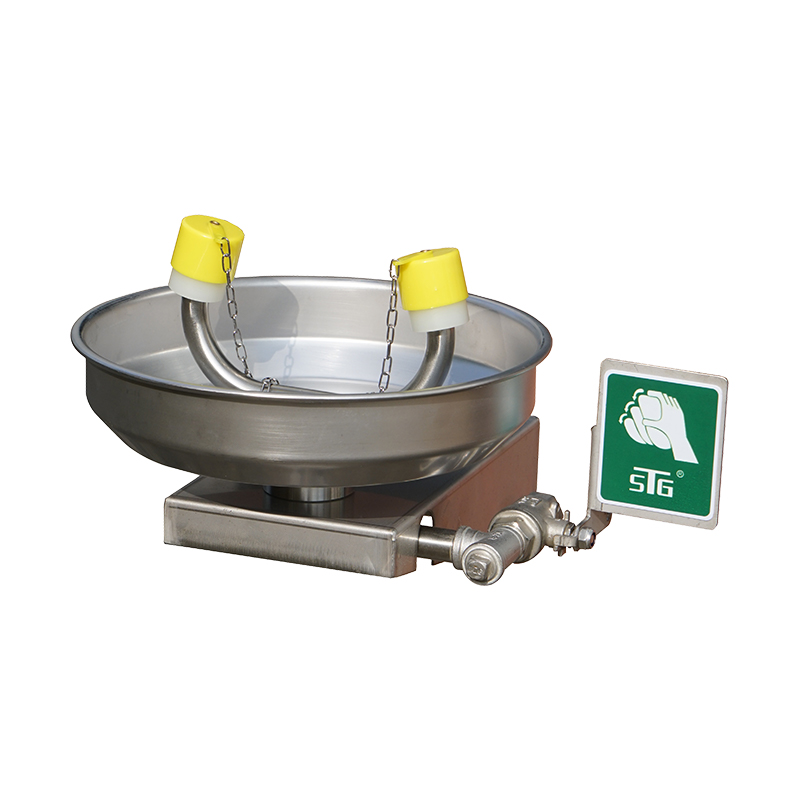
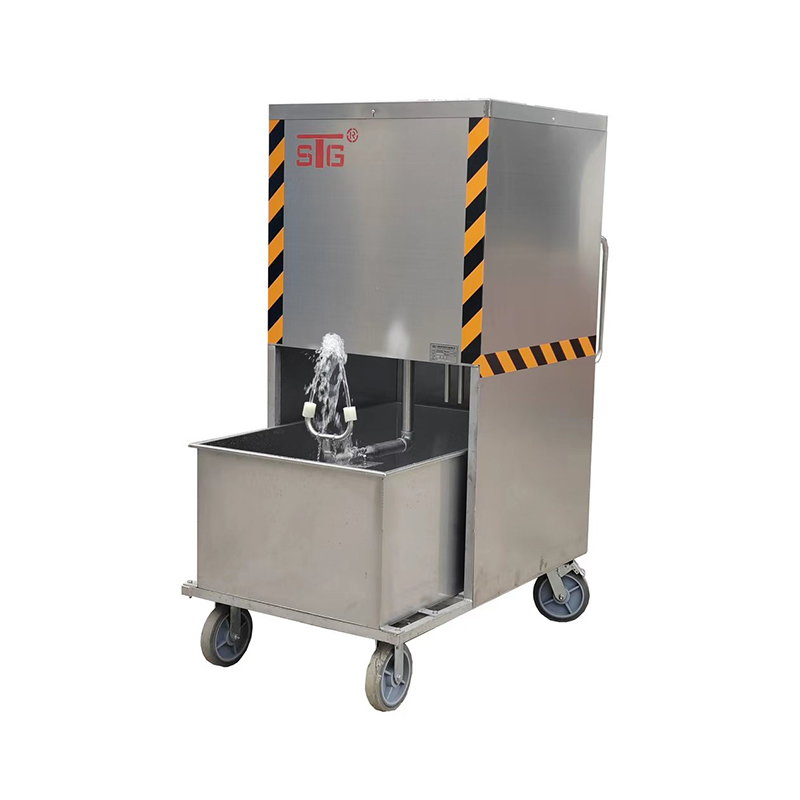
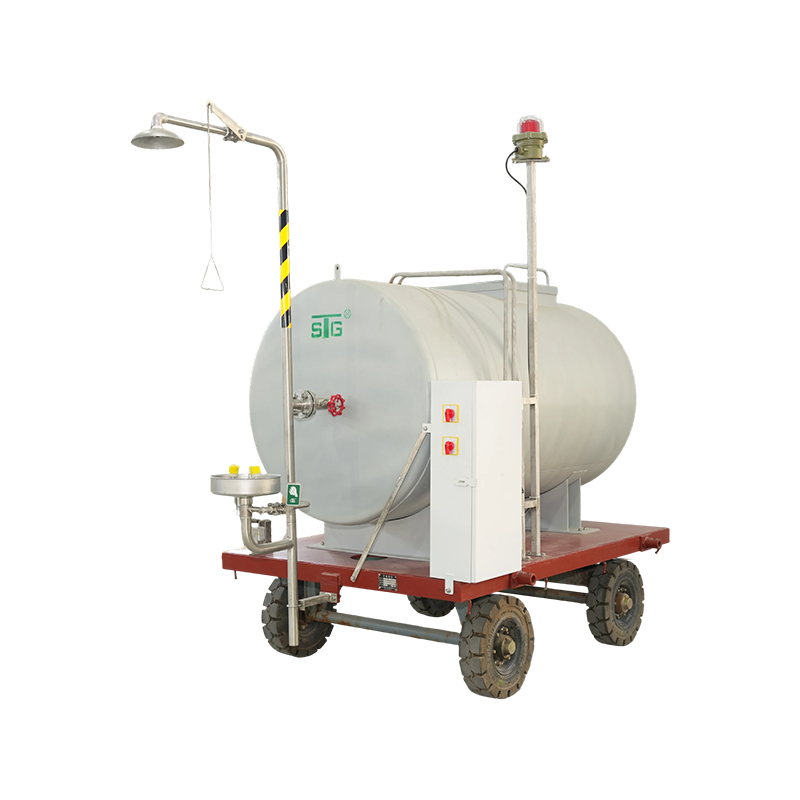
Good maintenance begins at purchase. A unit that is well designed will make weekly checks fast and will keep working in demanding conditions. The Emergency eyewash and shower range from STG is offered for industrial and laboratory use, and the points below are worth confirming on the product page before you order:
- Conformance to ANSI/ISEA Z358.1 or the standard required in your country.
- Corrosion resistant materials suited to your chemicals.
- Stay-open valve that works with a single motion.
- Nozzle dust covers that release freely when water flows.
- Connection size and drain arrangement that match your site.
- Options for freeze protection or tempered water where your climate needs it.
Training and record keeping that make the checks stick
Maintenance fails most often because nobody owns it. Name a person for each unit, give a backup, and put the weekly flush on the same day and time. A short record sheet with date, flush time, water appearance, temperature, flow observation and initials is enough for most sites.
Workers also need to know how to use the unit. Show them where each station is, how to hold the eyelids open, and that they must flush for the full 15 minutes before seeking medical help (Source: ANSI/ISEA Z358.1; CDC NIOSH guidance on chemical eye injuries). Include a short walk-through in new employee orientation, and repeat it during annual safety refreshers.
Frequently asked questions
How often should an eyewash station be flushed?
Plumbed units should be activated weekly, and fully inspected at least once a year, under ANSI/ISEA Z358.1.
How long should the weekly flush last?
The standard asks for activation long enough to verify operation and clear the line. Set a fixed time in your procedure, and extend it if the water is discolored.
Can personal eyewash bottles replace a fixed station?
No. Bottles are supplemental. A compliant station must provide flushing for 15 minutes.