English
 Deutsch
 España
 Français
 Italia
 Русский
 عربي
عربي


OSHA requires that where workers may be exposed to injurious corrosive materials, suitable facilities for quick drenching or flushing of the eyes and body must be provided within the work area for immediate emergency use. This rule is found in 29 CFR 1910.151(c), and OSHA generally points to ANSI/ISEA Z358.1 as the benchmark for what suitable equipment looks like.
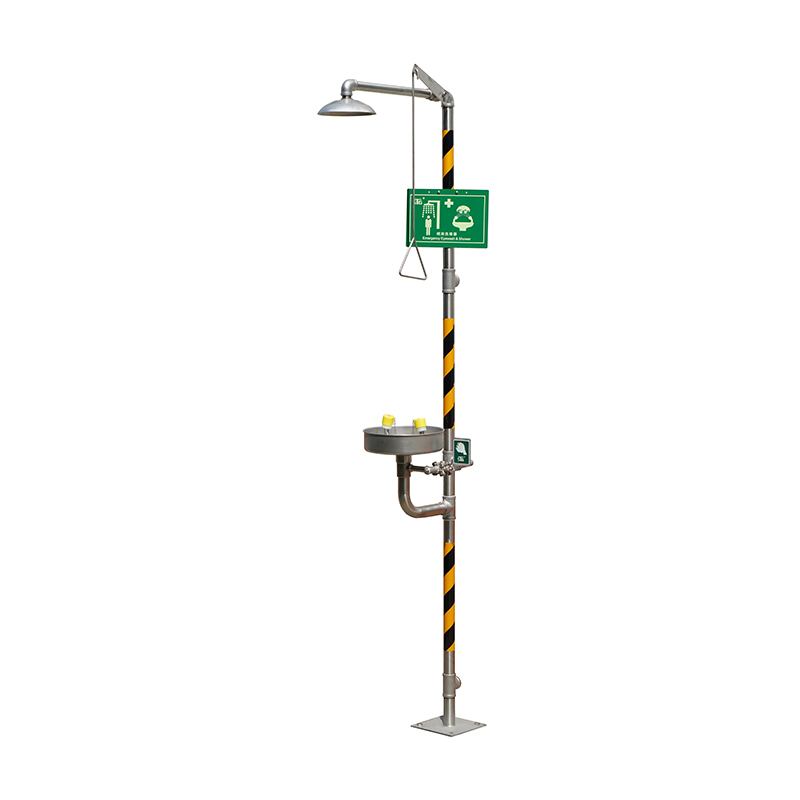
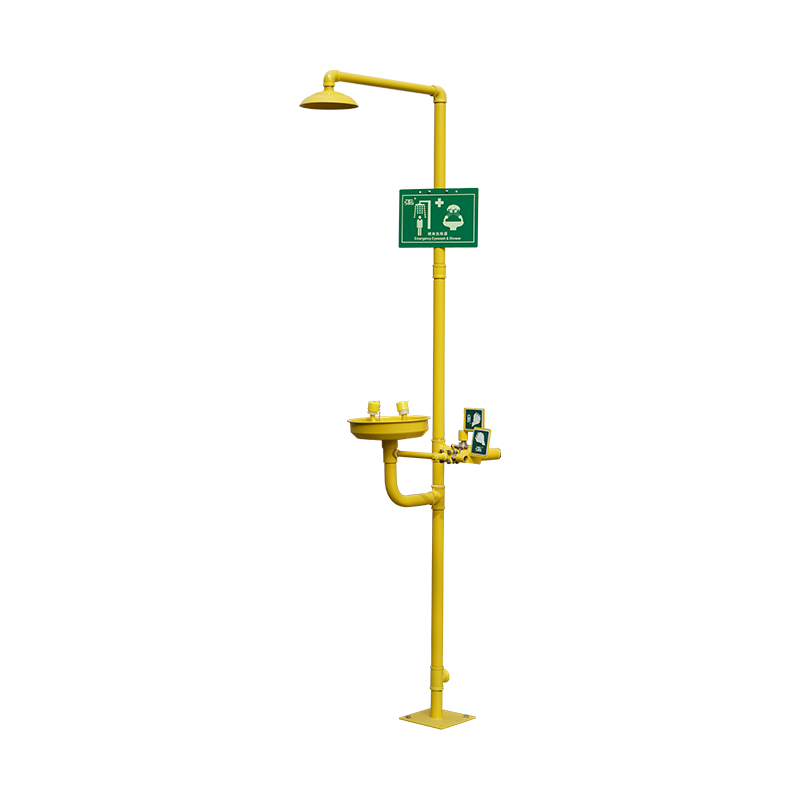
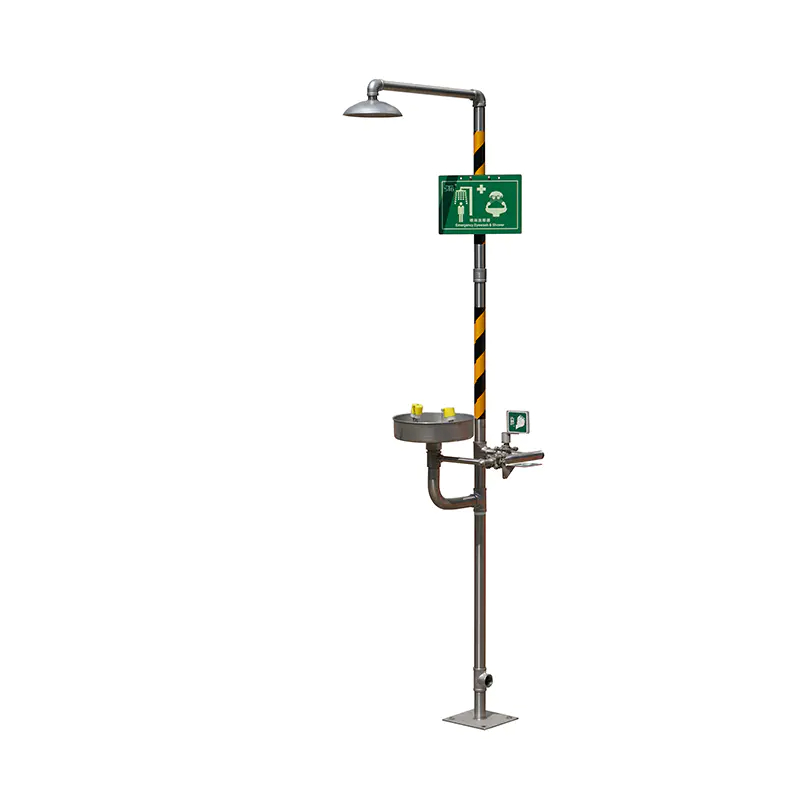
In practice, that means an emergency shower that delivers at least 20 gallons per minute (75.7 L/min) for 15 minutes, and an eyewash that delivers at least 0.4 gallons per minute (1.5 L/min) for 15 minutes, installed where a worker can reach it within about 10 seconds. A properly selected Emergency eyewash and shower unit, installed correctly and tested weekly, is how most facilities meet these expectations.
Source: OSHA 29 CFR 1910.151(c); ANSI/ISEA Z358.1 (flow, duration and location values). Always confirm the values against the current edition of the standard you purchase, because revisions can change details.
OSHA Requirements for Emergency Eyewash and Shower Stations
OSHA does not publish its own detailed design specification for emergency showers and eyewash stations. Instead, it sets a general duty and relies on consensus standards for the details.
General industry rule
The general industry rule, 29 CFR 1910.151(c), requires quick drenching or flushing facilities within the work area wherever eyes or body may be exposed to injurious corrosive materials. The phrase within the work area and for immediate emergency use is the core of the requirement.
Construction rule
For construction work, OSHA has a similar requirement in 29 CFR 1926.50(g). It calls for suitable facilities for quick drenching or flushing of the eyes and body when workers are exposed to corrosive materials.
How OSHA uses ANSI Z358.1
OSHA has repeatedly referred to ANSI Z358.1 in its interpretation letters as the source of guidance on what makes a unit suitable. For that reason, most safety managers treat the ANSI standard as the practical compliance checklist. Check the latest OSHA letters of interpretation and your own state plan rules, since some states add requirements.
Source: OSHA regulations 29 CFR 1910.151(c) and 29 CFR 1926.50(g), available at osha.gov.
Types of Emergency Equipment Covered by ANSI Z358.1
ANSI/ISEA Z358.1 covers several kinds of equipment. Choosing the right type depends on the hazard, the likely body area affected, and the space available.
| Equipment Type | Main Purpose | Typical Use |
| Emergency shower | Drench the whole body | Chemical splashes on skin or clothing |
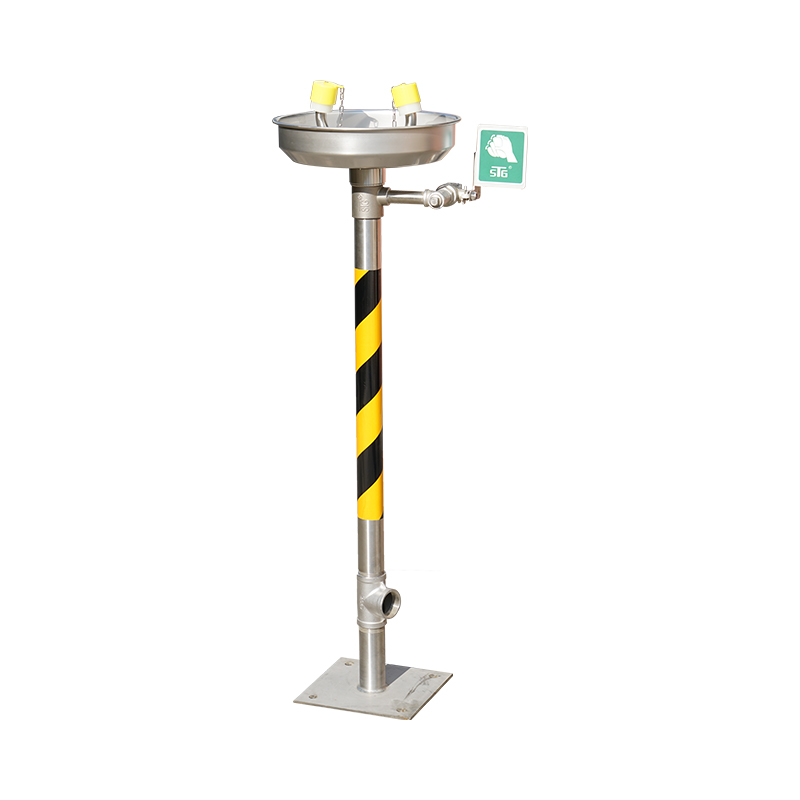
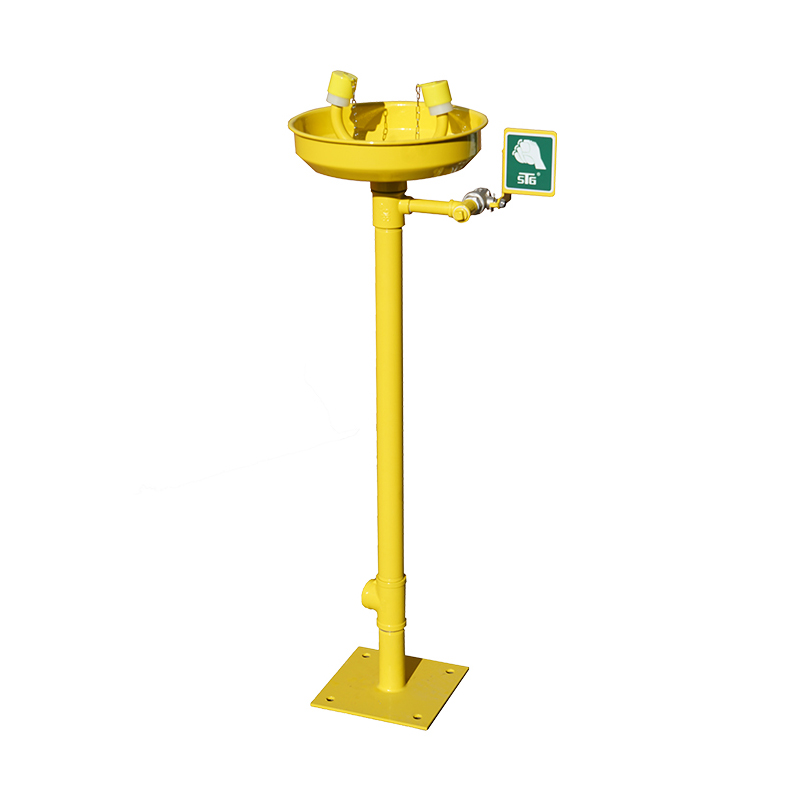
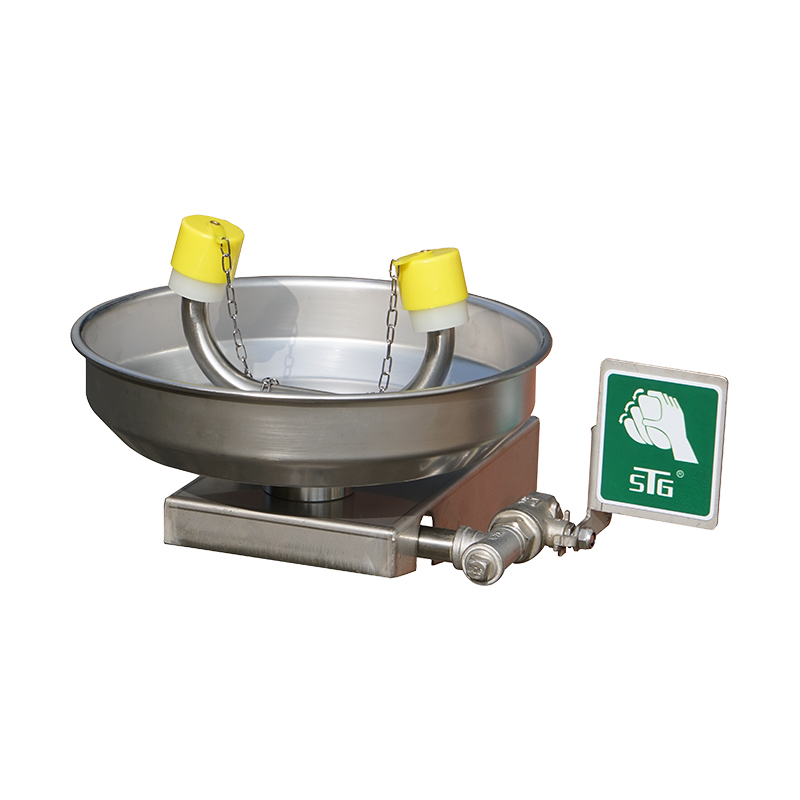
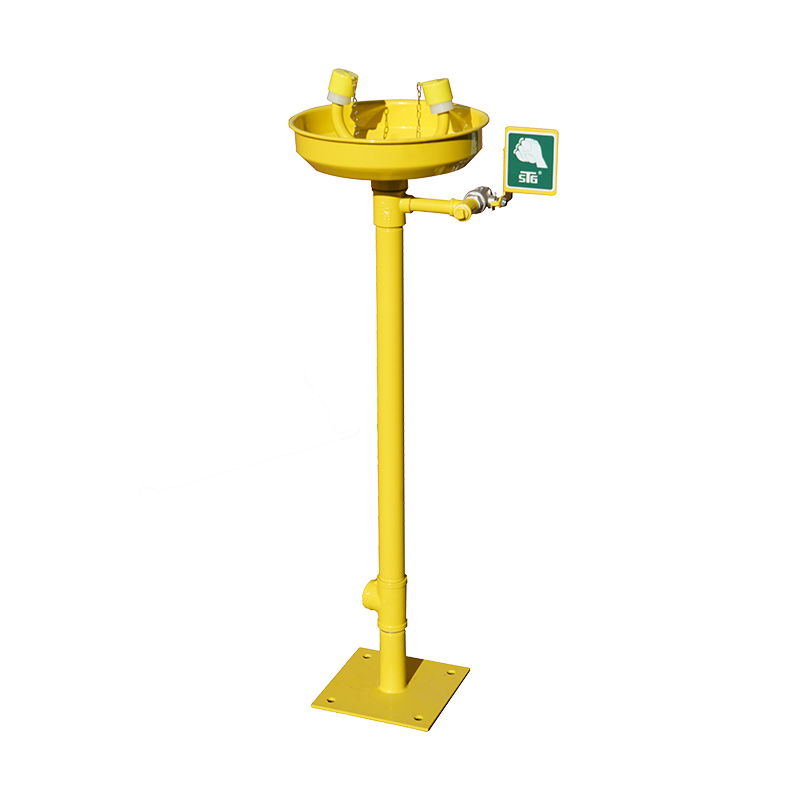
| Eyewash station | Flush both eyes at the same time | Chemical or particle contact with the eyes |
| Eye and face wash | Flush the eyes and the face together | Splashes that reach the face as well as the eyes |
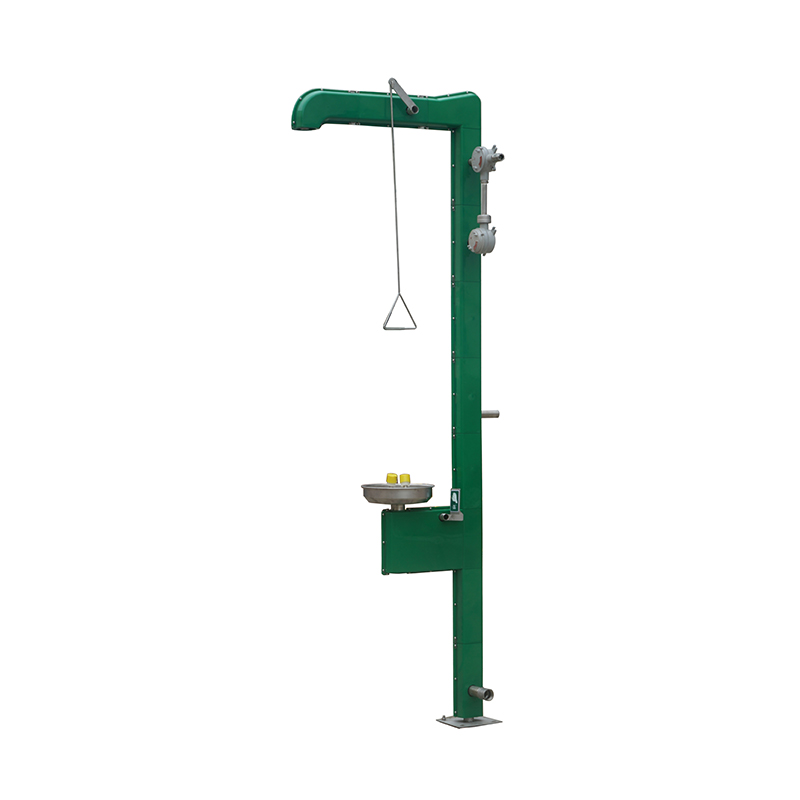
| Combination unit | Shower plus eyewash on one supply | Areas where both body and eye exposure are possible |
| Personal wash unit | Supplement for immediate first aid | Extra support only, not a replacement for plumbed or primary units |
Personal wash units, such as small handheld bottles, are supplemental. They help a person start flushing before reaching a full station, but they do not meet the full 15 minute flushing requirement on their own.
Emergency Shower Requirements in Detail
The shower is designed to drench the body quickly and keep flushing long enough to remove the chemical. The key requirements in ANSI Z358.1 are summarized below.
| Requirement | Value |
| Minimum flow rate | 20 gallons per minute (75.7 L/min) |
| Minimum flushing time | 15 minutes |
| Spray pattern height | Spray pattern measured at 60 inches (1524 mm) above the floor |
| Minimum spray diameter | 20 inches (508 mm) at that height |
| Showerhead height | 82 to 96 inches (2083 to 2438 mm) above the floor |
| Clearance from obstructions | Center of spray at least 16 inches (406 mm) from any wall or obstruction |
| Valve operation | Opens in 1 second or less and stays open without the user holding it |
A simple calculation shows why plumbing capacity matters. At 20 gallons per minute for 15 minutes, a shower uses about 300 gallons (about 1,135 liters) of water per use, which is why most emergency showers are connected to a plumbed supply rather than a small tank.
Source: ANSI/ISEA Z358.1 values as commonly summarized by safety equipment guidance; confirm with the current edition. The 300 gallon figure is calculated from 20 gallons per minute multiplied by 15 minutes.
Eyewash and Eye and Face Wash Requirements
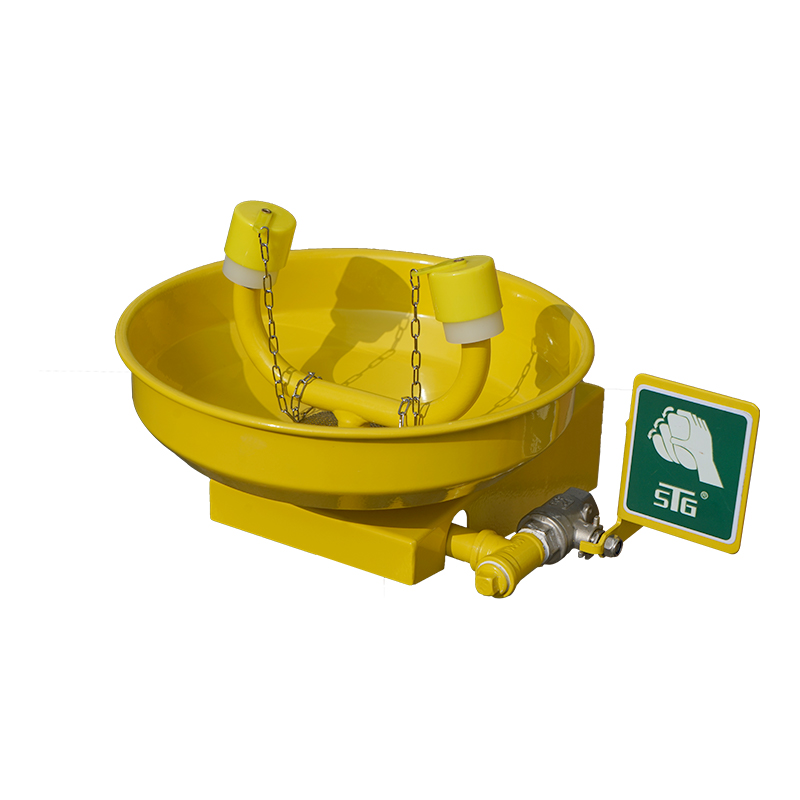
An eyewash must flush both eyes at once, with a soft flow that does not harm the eye. The valve must stay open so the injured person can use both hands to hold the eyelids open.
| Requirement | Eyewash | Eye and Face Wash |
| Minimum flow rate | 0.4 gallons per minute (1.5 L/min) | 3.0 gallons per minute (11.4 L/min) |
| Minimum flushing time | 15 minutes | 15 minutes |
| Nozzle height from floor | 33 to 45 inches (838 to 1143 mm) | 33 to 45 inches (838 to 1143 mm) |
| Distance from wall or obstruction | At least 6 inches (153 mm) to the nozzle center | At least 6 inches (153 mm) to the nozzle center |
| Water volume per use | About 6 gallons (about 23 liters) | About 45 gallons (about 170 liters) |
Water volume per use is calculated by multiplying the minimum flow rate by 15 minutes. Self-contained units must therefore hold enough fluid for the full flushing period, or be rated by the manufacturer to meet it.
Source: ANSI/ISEA Z358.1 values as commonly summarized; volumes are calculated from the stated flow rates and duration.
Where to Place Emergency Eyewash and Shower Stations
A perfectly built station is useless if a worker cannot reach it in time. Location is one of the most important parts of compliance, because chemical damage to the eye can begin within seconds.
- Within about 10 seconds of travel from the hazard, which ANSI Z358.1 describes as roughly 55 feet (about 16.8 meters) for an average person
- On the same level as the hazard, with no stairs, ramps, or doors that must be opened
- A clear, unobstructed path at all times, with no boxes, carts, or equipment in the way
- In a well lit area, and identified with a highly visible sign
- Positioned so the hazard is in the same direction as the station for strong acids and caustics, so workers do not have to walk through the hazard area
Think about the worst case
A worker with chemicals in the eyes may be unable to see. Placing the unit in a straight, simple path and using a bright sign and floor marking can help them find it. Many facilities also add an alarm or light that activates when the unit is used, so others know to help.
Source: ANSI/ISEA Z358.1 location guidance (10 seconds travel time, about 55 feet).
Water Temperature and Water Quality
Flushing for 15 minutes with very cold water can cause a person to stop early, and very hot water can cause burns. For that reason, ANSI Z358.1 calls for tepid water, defined as between 60 and 100 degrees Fahrenheit (16 to 38 degrees Celsius).
- Use a tempering valve or a thermostatic mixing valve where the supply water can be too cold or too hot
- Protect outdoor units from freezing, for example with heat tracing or freeze-protected models
- Use clean potable water, or a flushing fluid that is suitable for the eyes in self-contained units
- Flush the lines regularly so stagnant water and sediment do not reach the eyes
Source: ANSI/ISEA Z358.1 tepid water range of 60 to 100 degrees Fahrenheit (16 to 38 degrees Celsius).
Installation Guide: How to Install an Emergency Shower and Eyewash
Installation should follow the manufacturer instructions and local plumbing and building codes. Plumbed units normally need a qualified plumber. The steps below give the general order of work.
- Review the hazards in the area and the safety data sheets to decide which type of equipment is needed and how many stations.
- Choose a location that meets the travel distance, same-level access, and clear path requirements, and mark it on the facility layout.
- Check that the water supply can deliver the required flow rate at the unit, including at the same time as other nearby equipment.
- Install the supply pipe with a dedicated shutoff that is clearly marked and locked open, so it cannot be turned off by accident.
- Mount the unit securely to the floor or wall, using the correct anchors for the surface and the manufacturer instructions.
- Connect drainage so flushing water leaves the area safely and does not create a slip hazard or damage equipment.
- Add a tempering valve if needed, then flush the lines thoroughly to remove debris before connecting the nozzles.
- Install highly visible signs, good lighting, and clear floor marking, and keep the area free of obstructions.
- Test the flow, spray pattern, valve opening time, and water temperature, and record the results as the starting point for future checks.
Drainage deserves attention
A shower can discharge hundreds of gallons in 15 minutes. Without adequate drainage, water can spread across the floor and create electrical or slip hazards. Plan floor slope, drains, or a catch basin before installation. Check local rules on how contaminated wastewater should be handled.
Plumbed Units Versus Self-Contained Units
Both types can meet ANSI Z358.1 if they deliver the required flow for 15 minutes. The right choice depends on the site.
| Factor | Plumbed Units | Self-Contained Units |
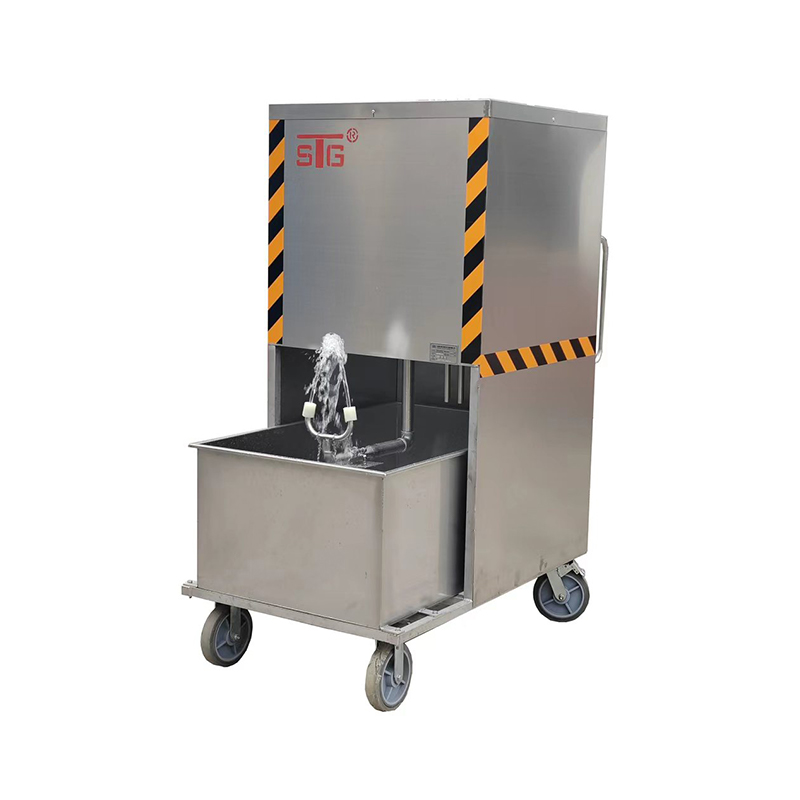
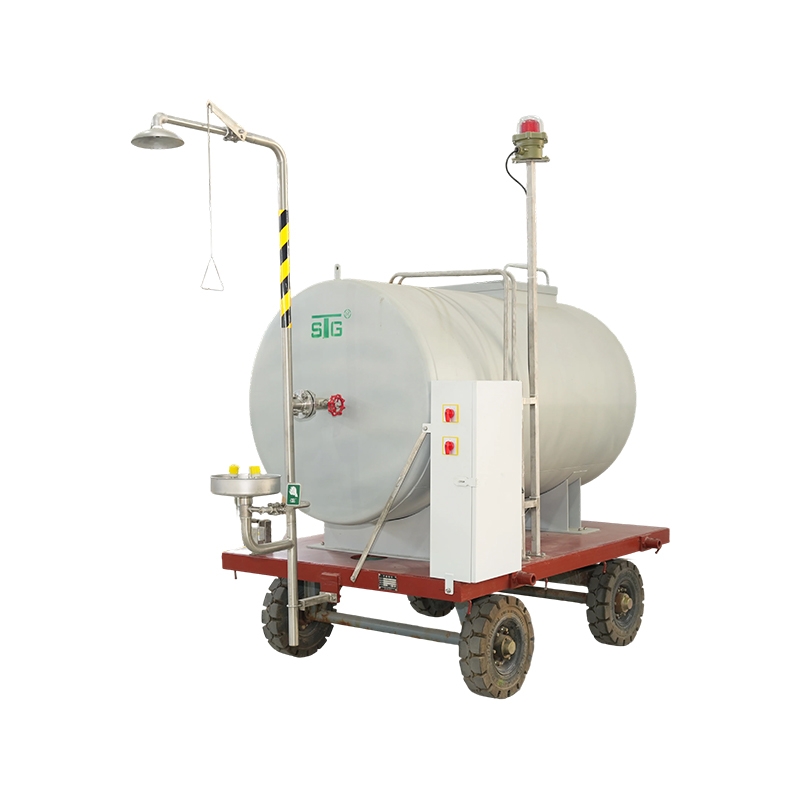
| Water source | Connected to the building water supply | Filled with water or flushing fluid in a tank |
| Best for | Permanent work areas with water access | Remote sites, temporary work, and areas without plumbing |
| Flushing duration | Continuous while the supply is on | Limited by tank capacity |
| Maintenance | Weekly activation and annual inspection | Regular fluid replacement and inspection as the manufacturer directs |
| Installation effort | Higher, needs plumbing and drainage | Lower, often placed in position and filled |
Testing and Maintenance Schedule
ANSI Z358.1 calls for plumbed units to be activated weekly to flush the lines and confirm they work, and for all units to be inspected annually for compliance with the standard. Self-contained units should be checked and maintained according to the manufacturer instructions, including fluid replacement dates.
- Weekly: activate plumbed units, run water until it is clear, check the flow and valve, and record the date
- Monthly: check signs, lighting, and the path to the unit, and confirm dust caps and covers are in place
- Annually: have a trained person verify flow rate, spray pattern, height, and temperature against the standard
- After any use: inspect, clean, and refill or reset the unit, and record the event
Keep a simple tag on each unit that shows the last test date and the initials of the person who tested it. Written records also help show compliance during an inspection.
Source: ANSI/ISEA Z358.1 guidance on weekly activation of plumbed units and annual inspection.
Training and Emergency Response Steps
Every worker who could be exposed should know where the nearest station is and how to use it before an incident happens. Training should include a short, hands-on demonstration.
What workers should do after exposure
- Go to the nearest eyewash or shower immediately and call for help
- Hold the eyelids open with the fingers and roll the eyes so water reaches every surface
- Remove contaminated clothing and jewelry while under the shower
- Keep flushing for the full 15 minutes, even if the pain eases
- Seek medical attention afterward, and bring the safety data sheet for the chemical
Contact lenses should be removed if this can be done quickly, but flushing should not be delayed to remove them. Follow your facility procedure and the advice on the safety data sheet.
Common Compliance Mistakes to Avoid
Many failures found during inspections come from simple oversights rather than faulty equipment.
| Mistake | Risk | How to Fix It |
| Station blocked by boxes or equipment | Delayed access during an emergency | Mark the area with floor paint and keep it clear |
| No weekly testing | Rust, sediment, or a failed valve go unnoticed | Set a fixed weekly schedule and a log |
| Water too cold or too hot | Worker leaves the station before 15 minutes | Install a tempering valve and check temperature |
| Too far from the hazard | Longer exposure and more severe injury | Relocate or add a station within the 10 second range |
| No signage or poor lighting | Injured worker cannot find the unit | Add highly visible signs and proper lighting |
| Poor drainage | Slippery floors and water damage | Plan drains or catch basins at installation |
How to Choose the Right Emergency Eyewash and Shower
Selecting equipment starts with a hazard assessment. Look at the chemicals used, the quantities, the number of workers, and the layout of the work area. A Emergency eyewash and shower unit should match both the standard and the real conditions on site.
Features worth checking
- Compliance: confirm the unit is designed to meet ANSI Z358.1 flow, spray pattern, and valve requirements
- Materials: corrosion resistant materials last longer in chemical, outdoor, or washdown environments
- Valve design: a quick opening, stay-open valve that works with one motion
- Combination option: a shower with eyewash on one supply saves space and speeds installation
- Environment: freeze protection, dust covers, or tempered water options where conditions require them
- Ease of maintenance: accessible parts and simple testing make weekly checks more likely to be done
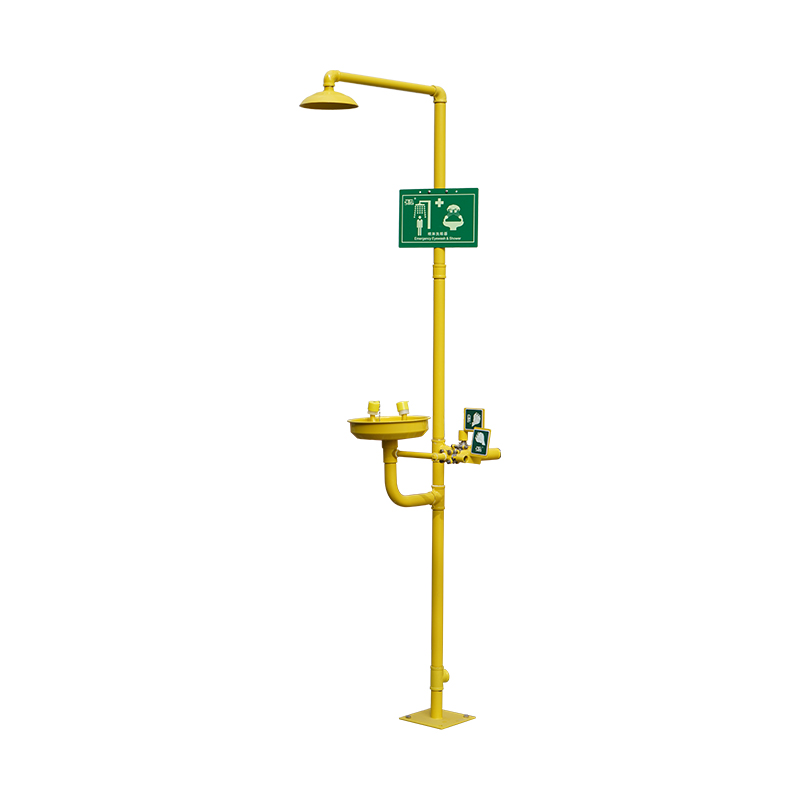
The Emergency eyewash and shower range offered on stgmfg.com is intended for facilities that need dependable emergency flushing equipment. Full details and specifications are on the product page at stgmfg.com.
Frequently Asked Questions About Emergency Shower Requirements
Is ANSI Z358.1 legally required?
The ANSI standard is a consensus standard, not a regulation. However, OSHA requires suitable emergency flushing facilities, and OSHA commonly refers to ANSI Z358.1 as the guide for what is suitable. Following the standard is the most reliable way to show compliance.
How many stations do I need?
There is no fixed number. You need enough stations so that each hazard is within about 10 seconds of travel, with a clear path. Larger or more complex areas usually need several.
How long should a person flush the eyes?
The standard is built around 15 minutes of flushing. A person should keep flushing for the full time unless medical personnel or the safety data sheet advise otherwise.
Do I need a shower and an eyewash together?
If a chemical can injure both the eyes and the skin, both should be available. A combination unit allows both from a single location and supply.
Who can test and inspect the equipment?
Weekly activation can be done by trained facility staff. The annual inspection should be done by someone who understands the standard and can measure flow, height, and temperature accurately.
Final Thoughts
Meeting emergency shower and eyewash requirements comes down to four things: the right equipment with proper flow and spray, a location reachable within about 10 seconds, tepid water, and a disciplined routine of weekly tests and annual inspections. When these are in place and workers are trained, a chemical exposure becomes a manageable incident rather than a lasting injury. A well selected Emergency eyewash and shower installed to the standard is one of the most important safety investments in any facility that handles hazardous materials.
Source note: regulatory text is from OSHA 29 CFR 1910.151(c) and 29 CFR 1926.50(g). Technical values are from ANSI/ISEA Z358.1 as commonly summarized and should be verified against the current edition of the standard. Volume figures are calculated from the stated flow rates. This article is general guidance and does not replace a site-specific hazard assessment or advice from a qualified safety professional.