English
 Deutsch
 España
 Français
 Italia
 Русский
 عربي
عربي


After a chemical splash or accidental exposure, workers do not have time to debate water temperature or flow rate. The emergency decontamination shower is the first piece of safety equipment they will reach, so it must be ready to work in that exact moment. A practical unit combines a stable water supply, dependable activation, and enough capacity to flush hazardous material from the body. This article explains what an emergency decontamination shower does, which standards matter, and how to select a unit that performs in real workplace conditions.
What Counts as an Emergency Decontamination Shower?
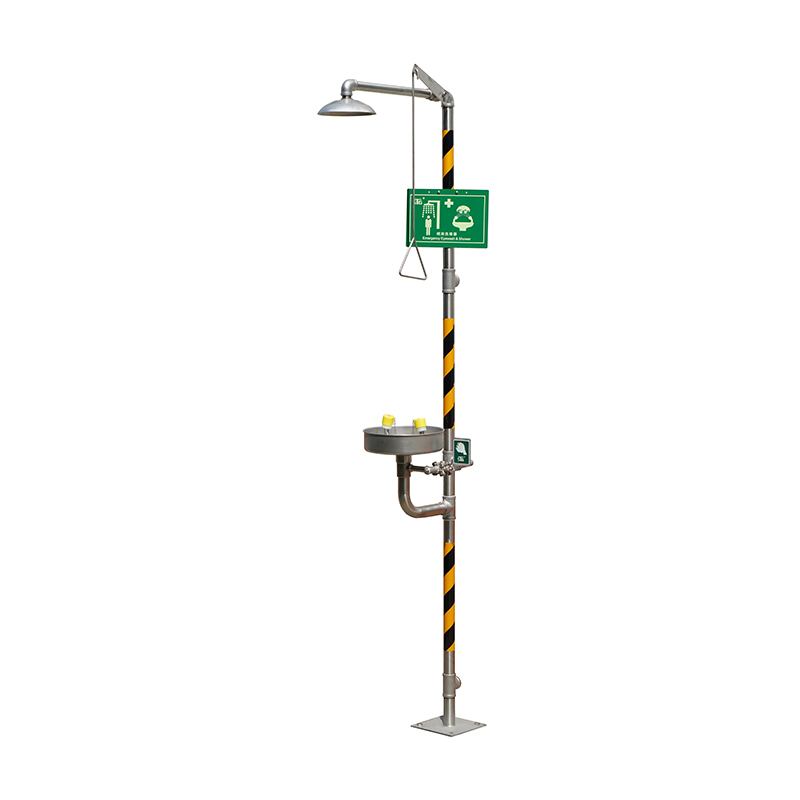
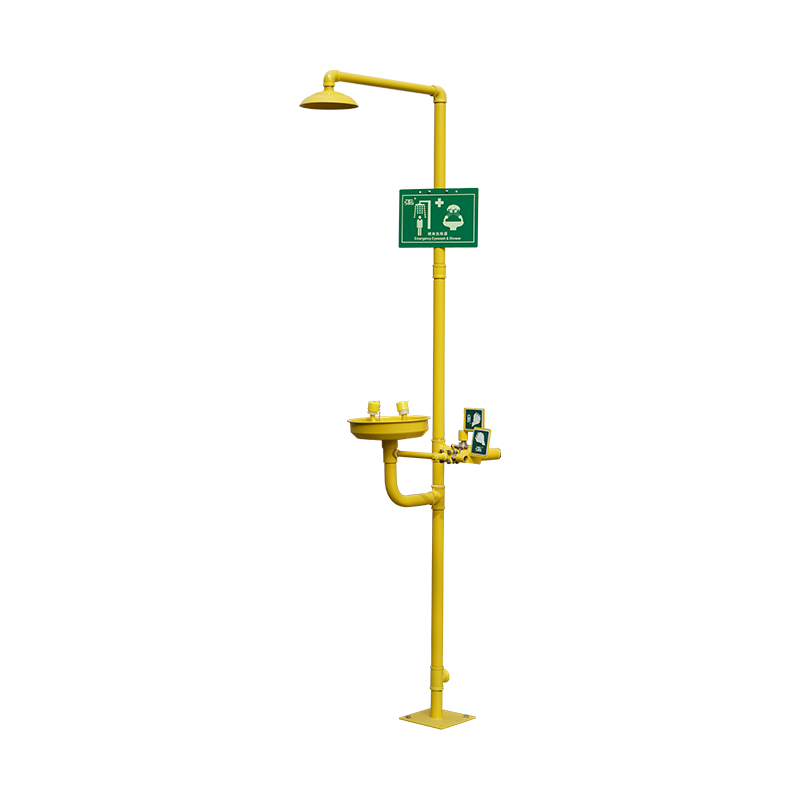
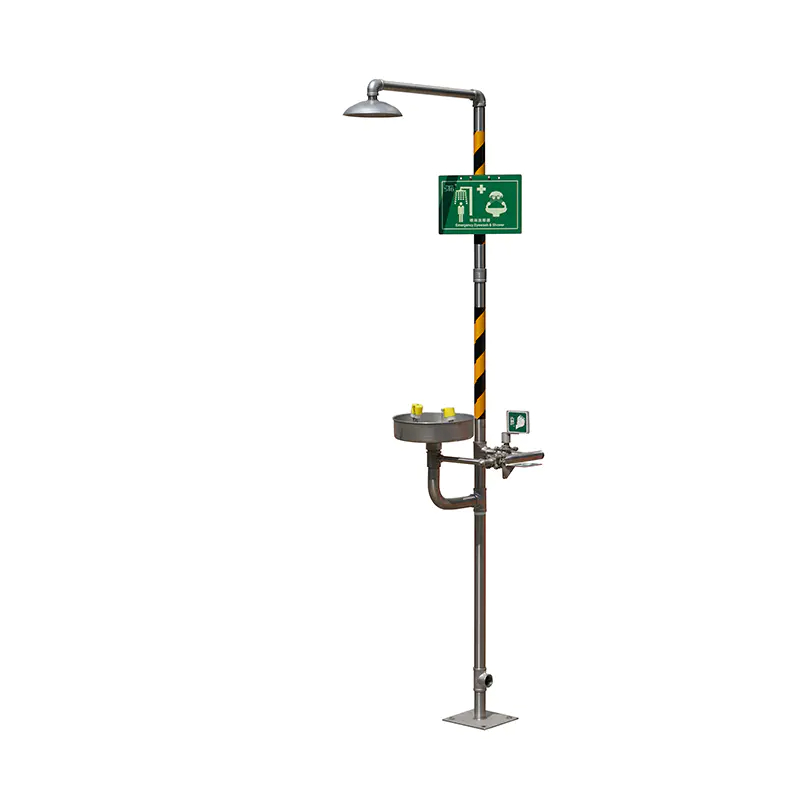
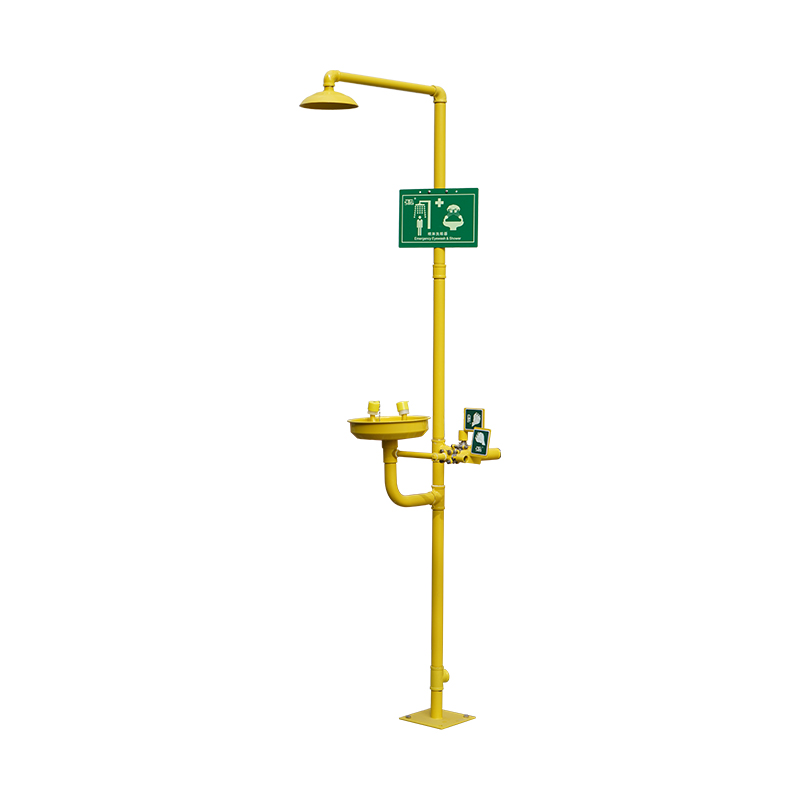
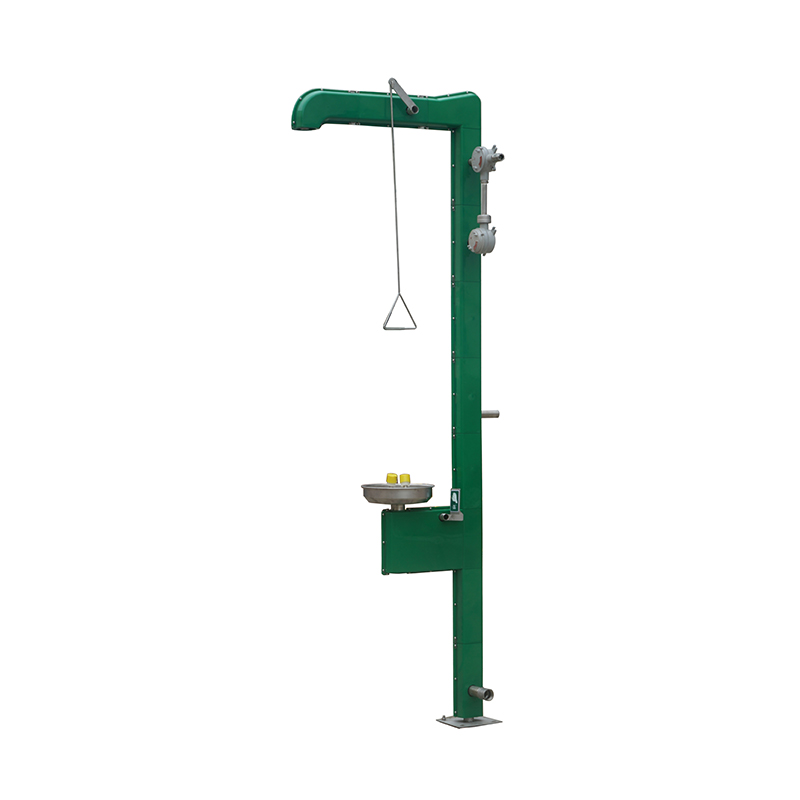
An emergency decontamination shower is designed to reduce the concentration of a hazardous substance on the skin as quickly as possible. It is not a convenience rinse station or a shower for regular hygiene. A typical installation can be a fixed overhead shower, a portable unit with its own water supply, or a full emergency safety station that also includes eye and face flushing. The common element is simple: it has to flood a large part of the body with clean, tempered water as soon as the user activates the valve.
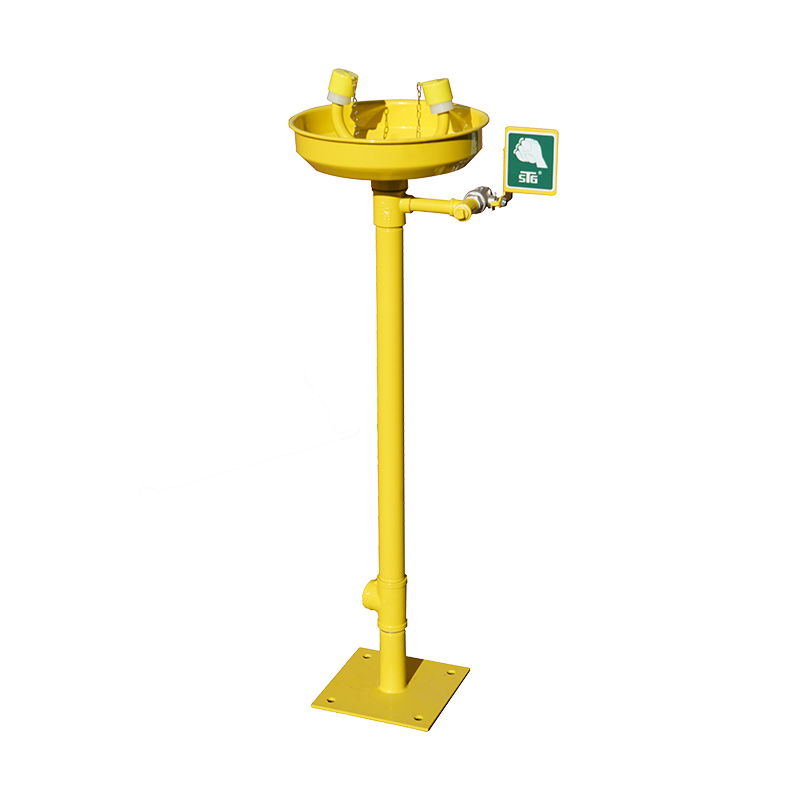
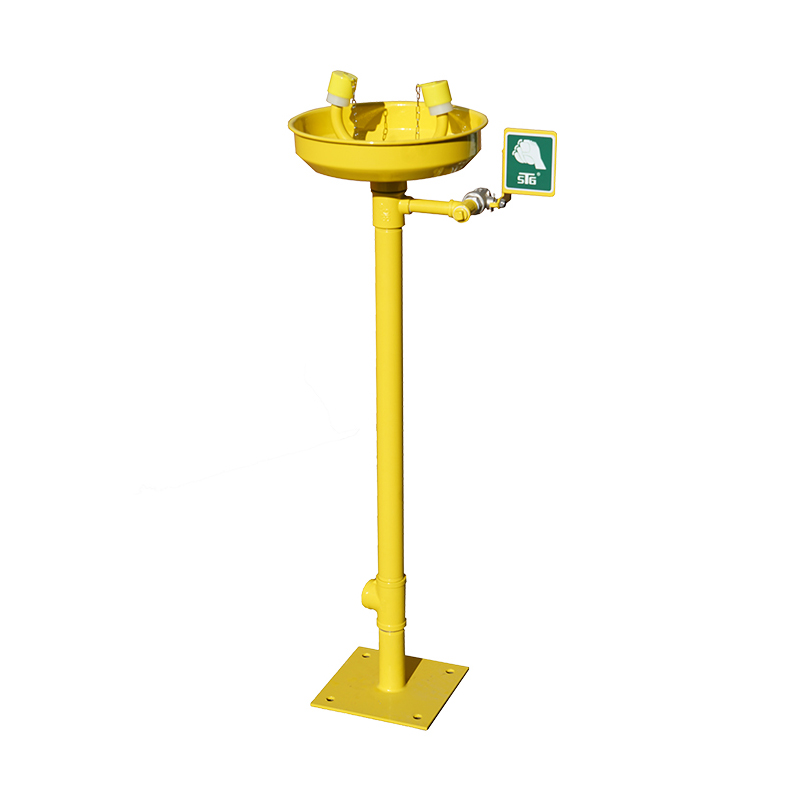
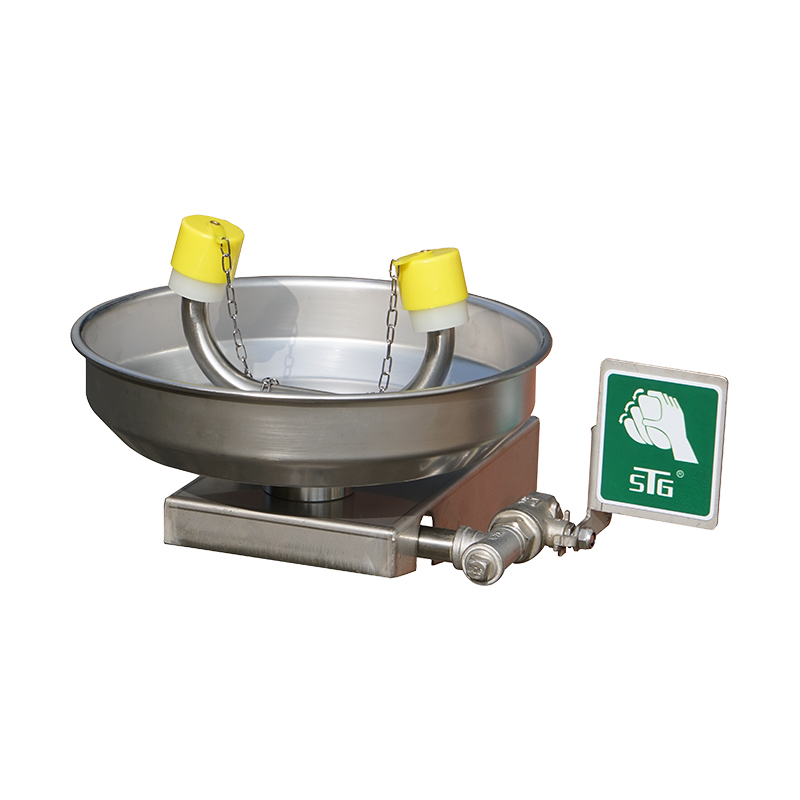
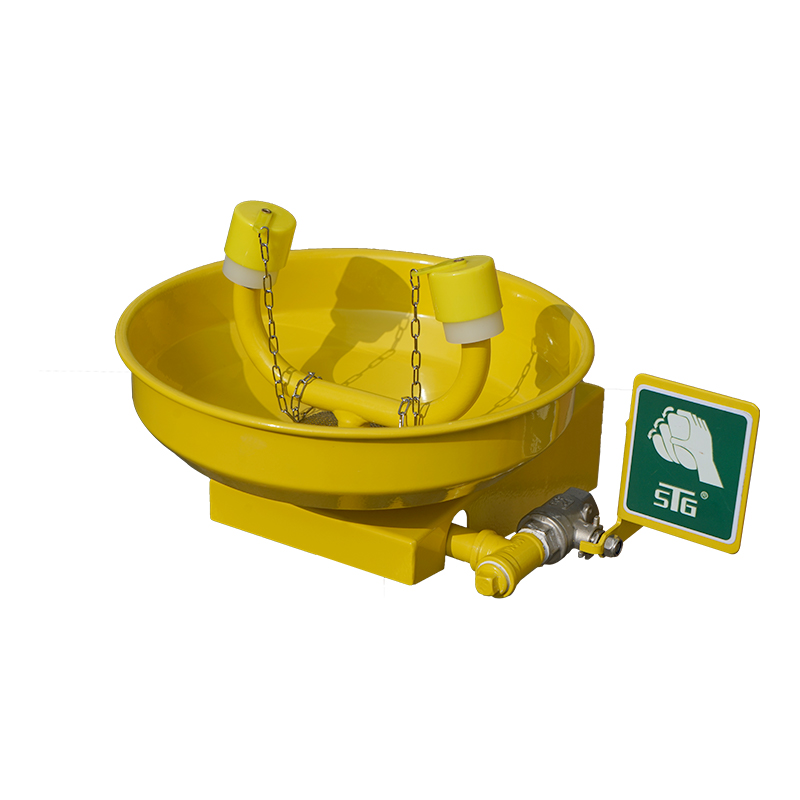
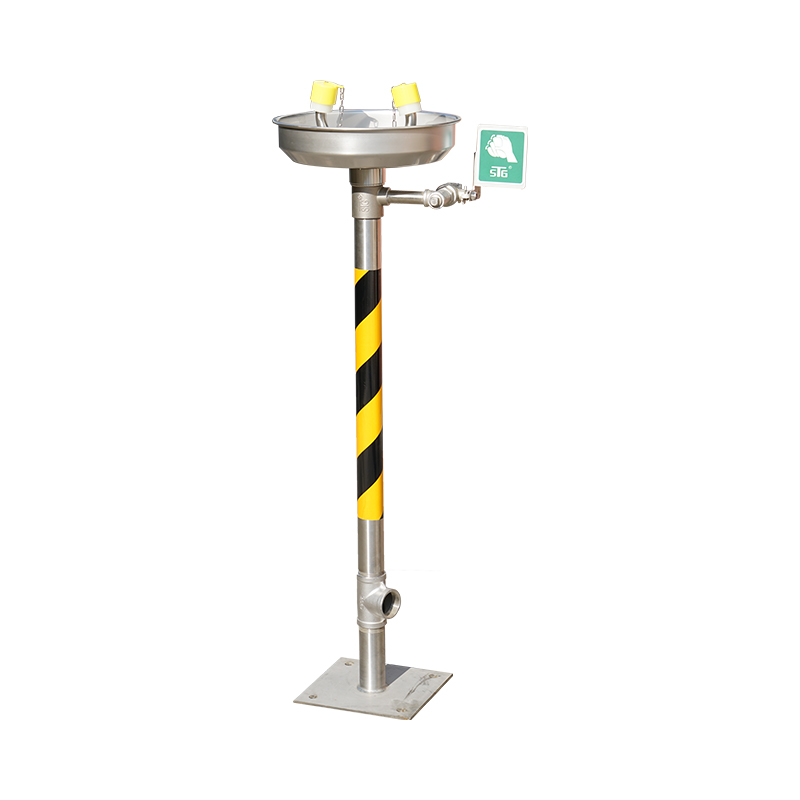
In many processing plants and laboratories, the same area needs both body flushing and eye flushing. A combined emergency safety station brings those functions together so that the responder does not have to choose between protecting the eyes and rinsing the skin. The placement and plumbing requirements are different from a standard plumbing fixture, so it is important to start with equipment built for emergency response.
Who Needs This Level of Decontamination Equipment?
An emergency decontamination shower is not limited to one industry. Chemical processing plants, pharmaceutical production lines, electronics manufacturing, and analytical laboratories all handle substances that can injure skin or eyes in a matter of seconds. Even facilities that use small volumes of reagents need a response point near the work area because accident severity depends as much on response speed as on the chemical itself.
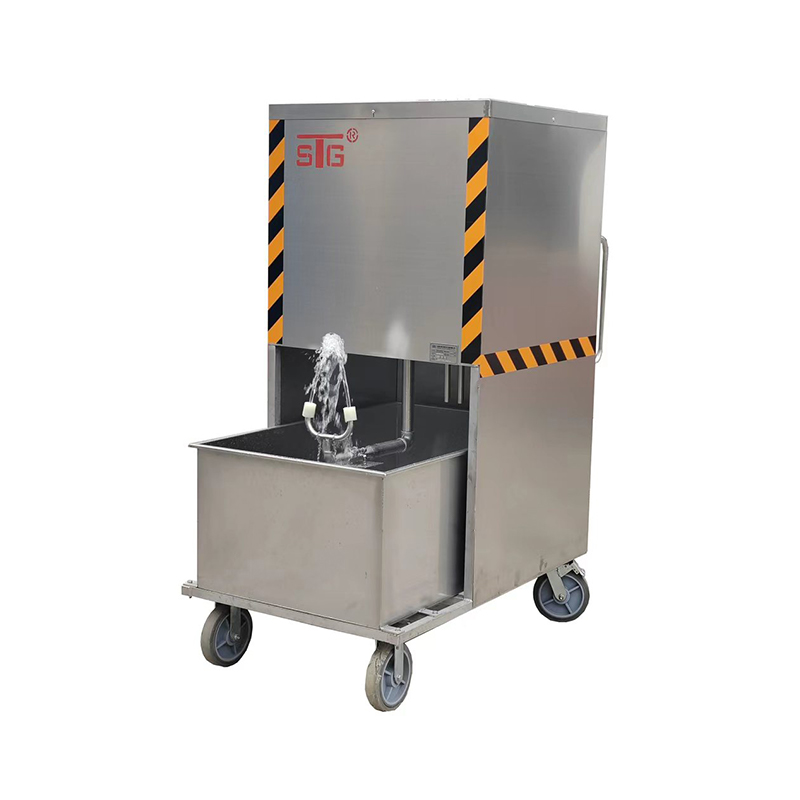
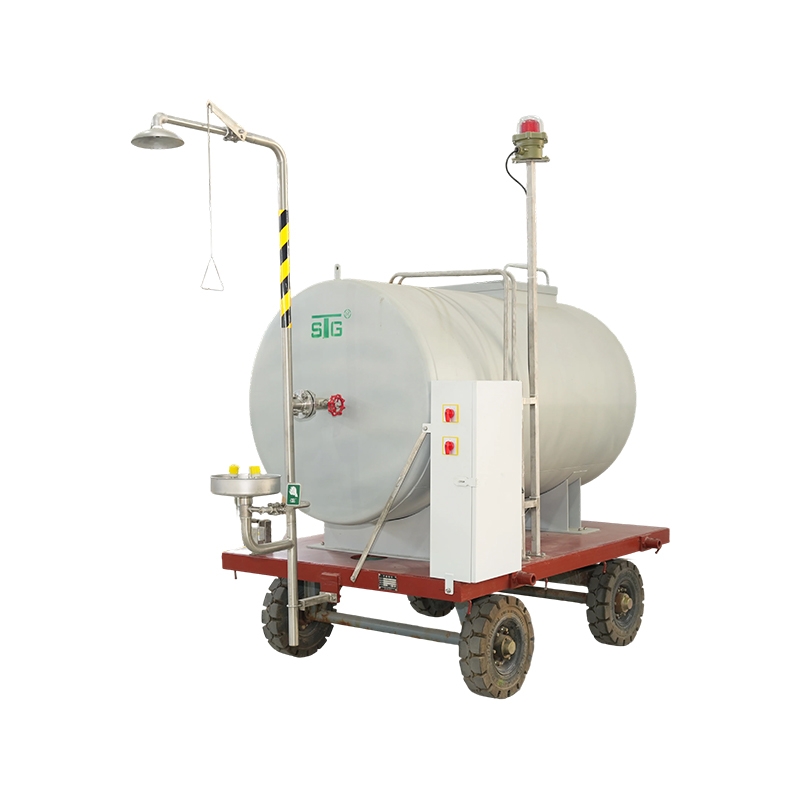
Emergency response teams and maintenance crews may need a different solution. They often work in temporary locations or outside the permanent building, where a wall-mounted fixture is not an option. A portable decontamination shower can be transported to the incident location and connected to a hose or a safety tank, which makes it a practical backup for places that would otherwise be unprotected.
Decontamination Shower Requirements and Standards
Facilities that need a dependable decontamination response usually look at recognized safety standards before choosing a design. The ANSI/ISEA 113 document, which covers decontamination shower units, sets expectations for hygiene, water flow, and temperature control. In practice, a unit must be free from bacteria accumulation problems, operate at a reliable water flow, and emit water that is neither too hot nor too cold. The same expectations appear across emergency shower standards, so a unit that can satisfy those points is more likely to pass a safety audit.
For emergency shower and eyewash equipment, the most frequently used performance benchmark is ANSI/ISEA Z358.1. It calls for a safety shower to deliver at least 75 liters per minute, or about 20 gallons per minute, of tepid water for 15 minutes. A decontamination shower for chemical exposure should follow the same logic: enough water, enough duration, and a controlled temperature to reduce injury. The commonly referenced tepid range is between 60 and 100 degrees Fahrenheit, or about 16 to 38 degrees Celsius. This range prevents the shock of cold water and the burn risk of hot water. In cold climates, an unheated line can fall below that range in winter, which is why freeze protection and heat tracing are often required equipment.
| Configuration | Typical Application | Main Advantage |
|---|---|---|
| Fixed shower | Permanent industrial area with an existing water supply and floor drain | Supplies full-body flushing at the required flow rate |
| Shower with safety tank | Site with interrupted water supply or limited pressure | Keeps water available even when the main line cannot supply the unit |
| Portable or mobile unit | Temporary projects, outdoor maintenance, and emergency response | Can be moved to the incident location and deployed quickly |
| Emergency safety station | Workspace that needs full-body flushing plus eye and face flushing | Combines response functions in one accessible location |
What these configurations have in common is the need for a clean water path and a valve that remains open while the user is under the flow. A table of options helps narrow the field, but the final decision should be based on the hazard, the water supply, and the expected number of users.
Where to Install an Emergency Decontamination Shower
Placement is as important as the hardware. A decontamination shower should be located within a 10-second walking distance from the hazard, with an unobstructed path. If workers have to walk around barrels or squeeze past equipment before they can get under the water, the response time becomes dangerous. The route should be well lit, marked with clear signs, and free of trip hazards. For outdoor locations or unheated buildings, choose a freeze-protective type unit or install a heated enclosure. Incoming water can be cold enough to slow down the flushing process, so a mixing valve or heating traced cable keeps the water at a usable temperature from the first seconds.
Selection Checklist: What to Verify Before You Buy
Before you commit to a specific model, run through the points that most often cause problems after installation.
- Flow rate. Verify the unit can deliver the required flow for the full 15-minute cycle, not just in the first few seconds.
- Water temperature. Confirm that the water will arrive at tepid temperature. If the local supply is too hot or too cold, plan for a mixing valve, heat tracing, or recirculation.
- Activation. Choose a valve that starts quickly and stays open after activation. This leaves both hands free to remove contaminated clothing or help another worker.
- Materials and construction. Stainless steel works well in corrosive environments, while ABS components resist chemical attack and stay lighter for portable units.
- Drainage. A floor drain should handle the shower flow without pooling water outside the unit or creating a slip hazard.
- Clearance and reach. Measure the ceiling height and available floor space. A vertical shower needs enough height, while a wall-mounted unit could suit a smaller area.
- Water quality and hygiene. Look for a design that drains completely after each test and does not leave pockets where bacteria can grow.
Common Purchasing Mistakes and Risks
One mistake is treating every emergency shower as the same product. A standard shower station may be useful for a fast rinse, but it may not be suitable for a chemical incident if it cannot maintain a reliable flow. Another common issue is forgetting seasonal changes. In freezing climates, an unprotected supply line can freeze and burst after a weekly test. A third risk is ignoring biological contamination. Shower heads and supply lines can collect sediment or biofilm over time, so choose a design that can be flushed and cleaned without lengthy downtime.
Purchasing decisions also fail when the team does not plan for training. Workers need to know how to activate the unit, how long to keep flushing, and what to do if the eyewash or shower does not work. A short weekly activation and a documented training session are enough to keep the basics fresh. For guidance on the same principles for eye flushing, review how emergency eyewash and shower systems should be used.
Testing and Maintenance
An emergency decontamination shower that is never tested is not safety equipment; it is decoration. A practical routine includes the following steps:
- Do a daily visual check. Look for leaks, missing handles, blocked nozzles, and signs of corrosion.
- Activate the shower at least once a week to confirm water flow and flush stagnant water from the line.
- Inspect temperature controls before the cold season and after any repair.
- Record each test date and the worker's name in a maintenance log that safety auditors can review.
Keep spare pull rods and check the valve mechanism regularly. Many showers are used only during weekly tests, so small failures can stay hidden until an emergency happens.
Build a Decontamination Response Around a Reliable Shower
An emergency response plan needs equipment that matches the specific hazard and the local environment. A fixed decontamination shower is the right choice for a permanent process area, while a portable unit may better support maintenance crews and temporary projects. When a facility already has units in place, the quickest improvement is to verify that each one still meets the required flow, temperature, and hygiene expectations. If a unit cannot deliver those basics, replacement is usually cheaper than the cost of a failed emergency response.
The best way to start is to review the current layout and compare it with the emergency eyewash and shower systems available from a manufacturer with direct industrial safety experience. A product line built around emergency response gives you a practical way to match the fixture to the hazard, the available water supply, and the maintenance team's capabilities.