English
 Deutsch
 España
 Français
 Italia
 Русский
 عربي
عربي


What are the key requirements for maintaining emergency eyewash and shower stations
The key requirement for maintaining Emergency eyewash and shower stations is straightforward: they must comply with ANSI/ISEA Z358.1-2014, the national standard that governs activation testing, water temperature, flow rate, location, and staff training. Facilities that skip weekly activation checks or fail to keep tepid water flowing for a full 15 minutes are the most common causes of OSHA citations related to emergency eye and body wash equipment. Below is a detailed breakdown of each requirement and how facility managers can stay compliant year-round.
Why Compliance Matters
Under 29 CFR 1910.151(c), OSHA requires that where the eyes or body of any employee may be exposed to injurious corrosive materials, suitable facilities for quick drenching or flushing must be provided within the work area for immediate emergency use. OSHA does not specify exact technical details, so it defers to the ANSI Z358.1 standard for design, installation, and maintenance specifications. This means every eyewash and shower unit installed in a lab, manufacturing plant, or chemical storage facility is expected to meet ANSI performance criteria, not just be physically present.
According to data compiled by the Bureau of Labor Statistics, thousands of chemical burn and eye injury cases are reported across U.S. workplaces each year, and a large share involve delayed or inadequate flushing response. A properly maintained station reduces the risk of permanent injury by allowing workers to begin decontamination within seconds rather than minutes.
Weekly Activation Testing
ANSI Z358.1 requires that plumbed eyewash and shower units be activated weekly to verify proper operation and to flush sediment or stagnant water from the supply line. This is not optional maintenance; it is a documented requirement.
| Task | Frequency | Purpose |
| Activation flow test | Weekly | Clear sediment, confirm flow, verify valve function |
| Full performance inspection | Annually | Confirm flow rate, spray pattern, and water quality meet ANSI limits |
| Portable unit fluid check | Per manufacturer schedule | Replace or refill flushing fluid before expiration |
Facilities should keep a written log of every weekly test, including date, technician name, and any corrective action taken. Inspectors frequently request this log first during an OSHA walkthrough.
Water Temperature Requirements
Tepid Water Range
ANSI Z358.1 defines tepid water as falling between 60 degrees F and 100 degrees F (16 degrees C to 38 degrees C). Water outside this range can worsen chemical exposure in the following ways:
If the eyewash supply water is too cold (e.g., below 10 degrees C), it severely reduces the user's tolerance. Studies and practical experience show that when the water temperature drops below 16 degrees C, the stress response caused by cold stimulation will prevent most people from completing the required 15-minute continuous flush; some may even struggle to stand for more than 10 seconds. This directly compromises the adequacy of emergency flushing, so temperature control is essential.
Excessively hot water can directly cause thermal injury to the cornea and surrounding eye tissues, and it may also induce vasodilation, orthostatic hypotension, and dizziness, increasing the risk of secondary injuries from falls. Under high-temperature conditions, the reaction rate of residual chemicals accelerates significantly, aggravating corrosive damage; meanwhile, dilated capillaries can facilitate rapid absorption of toxic substances through mucous membranes, raising the possibility of systemic poisoning. The intense burning pain from heat stimulation will force the user to interrupt the flush, failing to meet the standard's required continuous effective flushing time (15 minutes), resulting in incomplete removal of hazardous substances.
Therefore, the eyewash water temperature must be strictly controlled within the range of 16 degrees C to 38 degrees C to ensure both safety and effectiveness during flushing.
Achieving Tepid Water
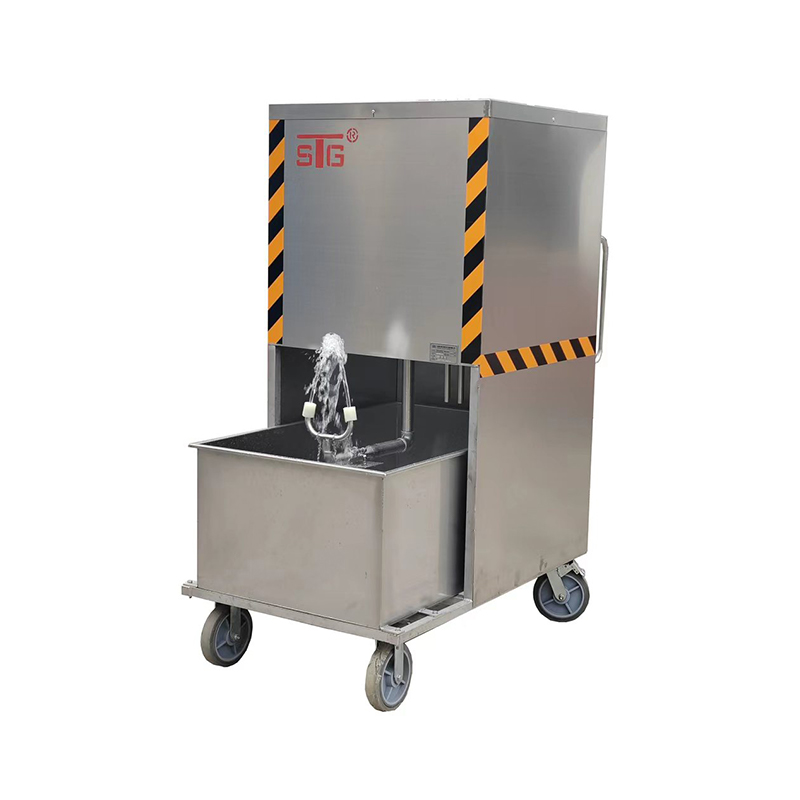
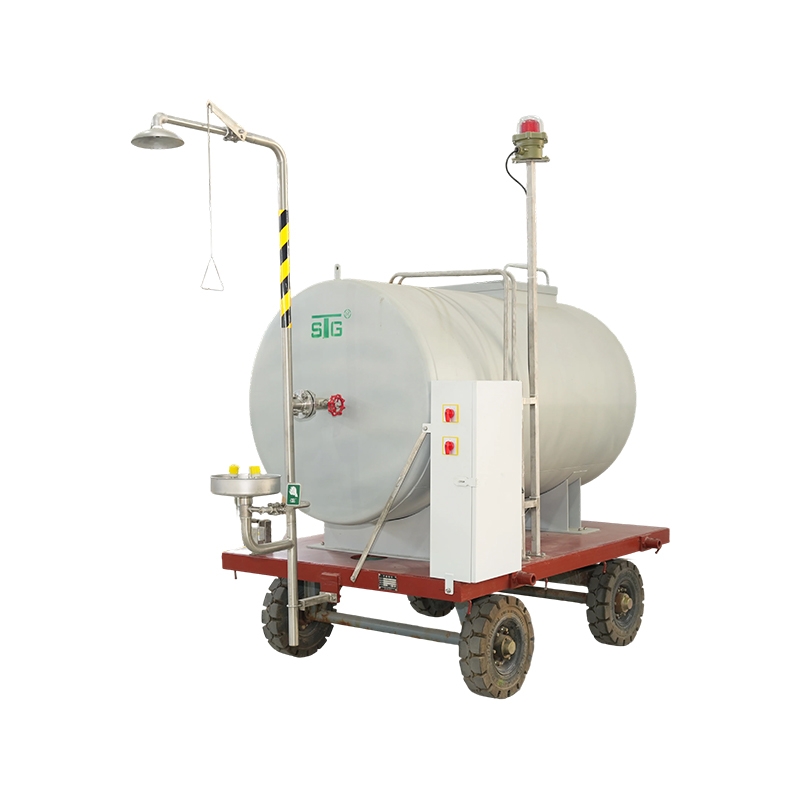
The onsite water supply and the eyewash unit itself are not directly related; the specific method of adjusting water temperature on site falls outside the scope of the eyewash manufacturer's supply. If the onsite water pressure or temperature cannot be guaranteed, we can also provide solutions based on the actual site conditions, such as complete water supply systems or tank-type (stored-water) eyewash stations.
Flow Rate and Duration
- Eyewash units must deliver a minimum flow of 0.4 gallons per minute (1.5 L/min) for a full 15 minutes.
- Drench showers must deliver a minimum flow of 20 gallons per minute (75.7 L/min), also sustained for 15 minutes.
- Combination units must be capable of running both components simultaneously without a drop below these minimum thresholds.
A 15-minute flush duration is based on toxicology data showing that most corrosive chemical residues require sustained irrigation to be fully diluted and removed from skin and eye tissue. Stopping early is one of the most frequently cited errors in post-incident reviews.
Location and the 10-Second Rule
ANSI Z358.1 requires that emergency equipment be positioned so an injured worker can reach it within 10 seconds, generally interpreted as a maximum travel distance of 55 feet (16.7 meters) from the hazard, with an unobstructed path on the same level. For highly corrosive materials such as strong acids or caustics, the equipment should be immediately adjacent to the hazard, since even a short delay can cause serious tissue damage.
The travel path must be free of obstructions such as locked doors, stairs, or equipment that could slow a visually impaired worker. Signage should be clearly visible from a distance, and the unit itself should be identifiable with a highly visible sign per ANSI guidelines.
Common Compliance Failures
| Issue | Consequence |
| Skipped weekly activation | Sediment buildup, valve failure during real emergency |
| Blocked access path | Delayed response beyond the 10-second window |
| Water temperature outside 60-100 F | Reduced flush effectiveness or added tissue damage |
| Expired portable eyewash fluid | Contaminated or ineffective flushing solution |
| Missing inspection documentation | OSHA citation during audit |
Regular third-party audits, in addition to internal weekly checks, help catch these issues before they become safety incidents or compliance violations.
Training and Documentation
ANSI Z358.1 also expects that employees working near hazardous materials receive training on the location and proper use of eyewash and shower stations, including how long to flush and when to seek additional medical attention. Training should be refreshed annually and whenever new chemical processes are introduced. Documentation should include training records, weekly activation logs, and annual inspection reports, all of which should be retained for a minimum of three years or per company policy.
Selecting the Right Station for Your Facility
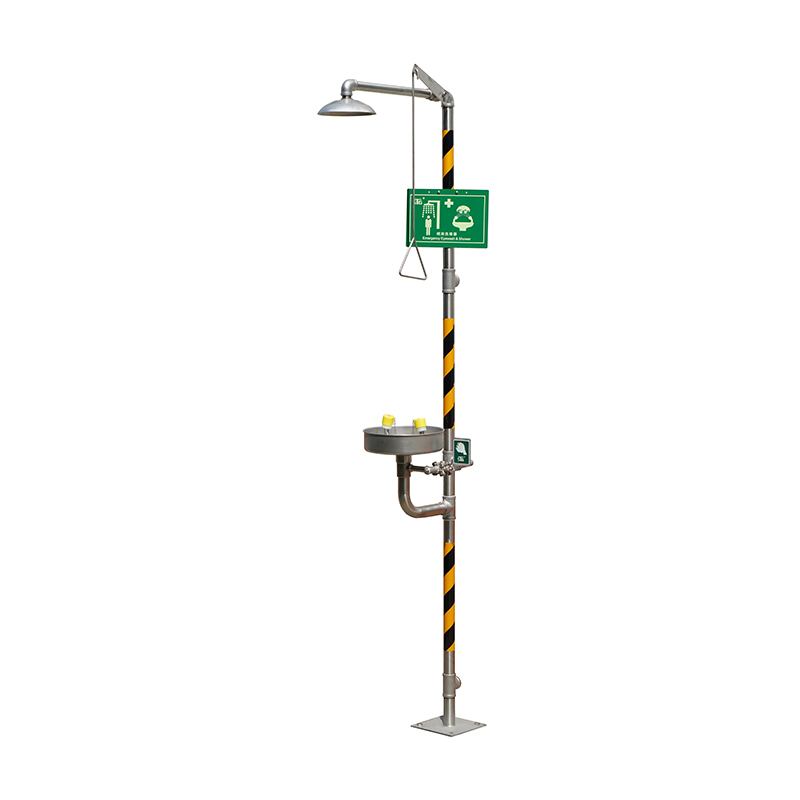
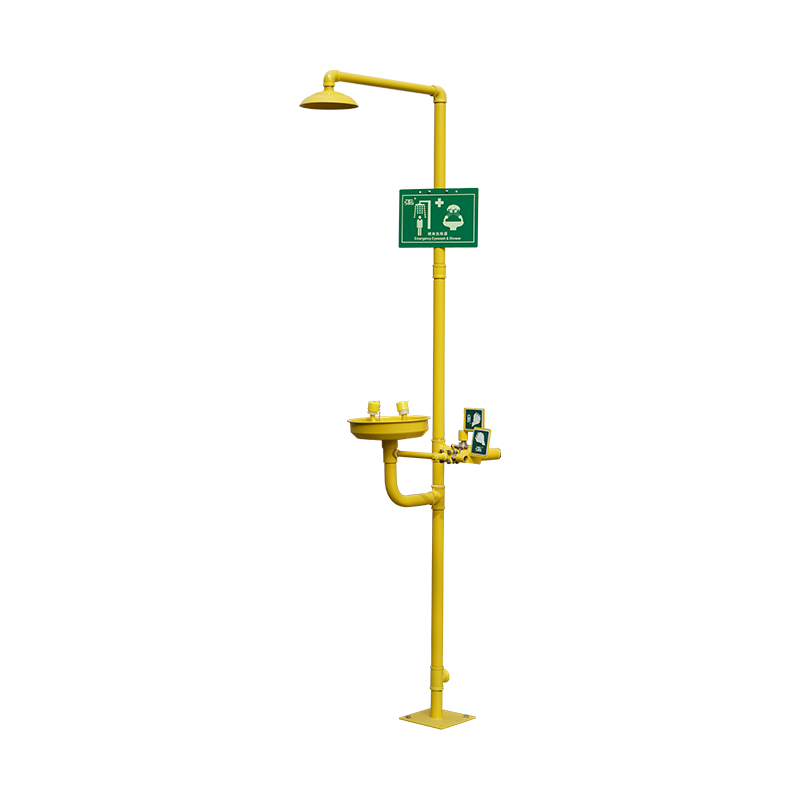
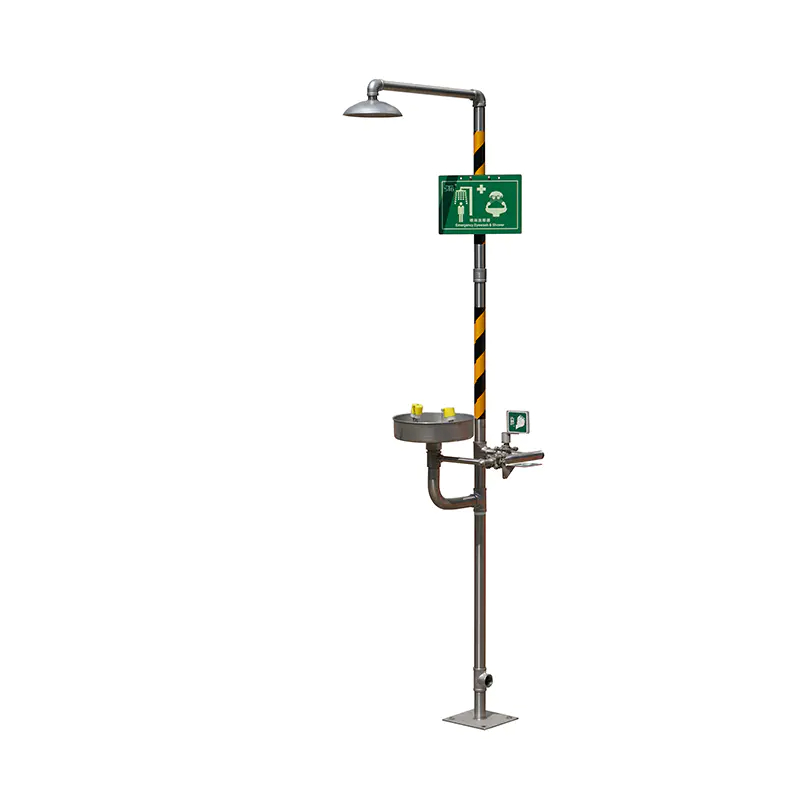
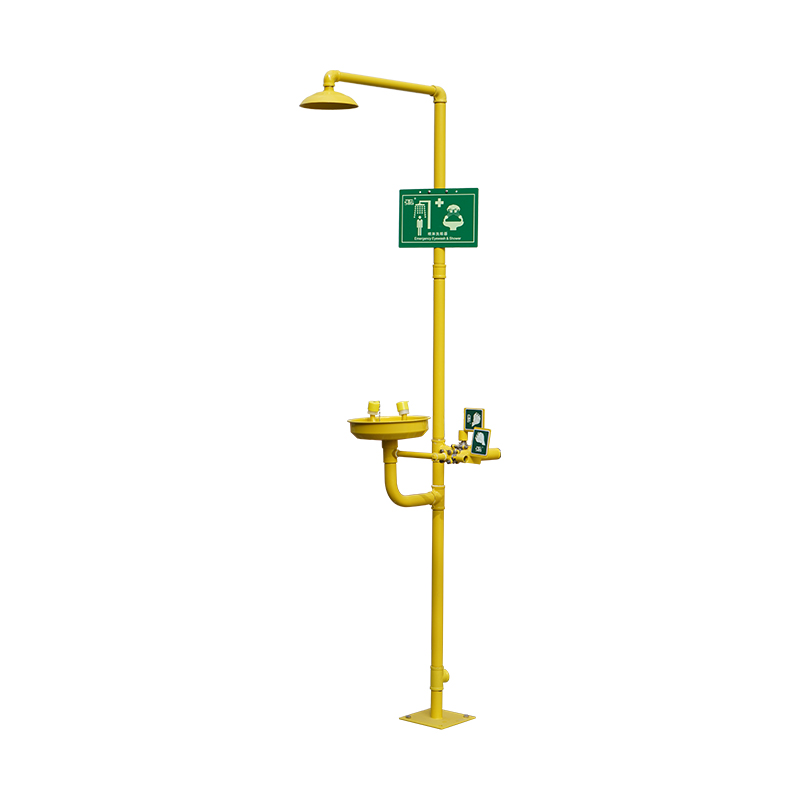
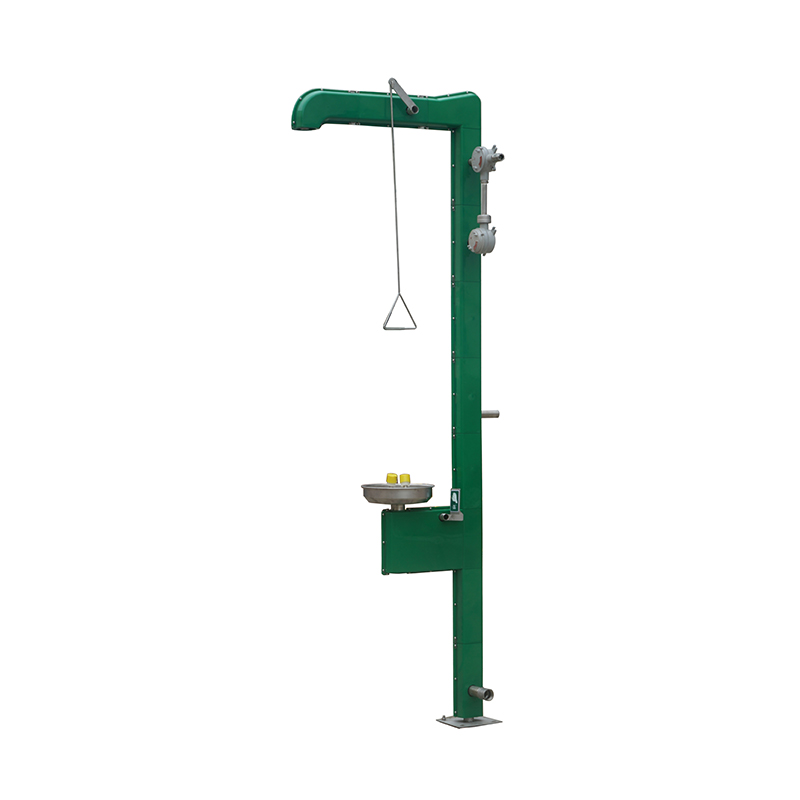
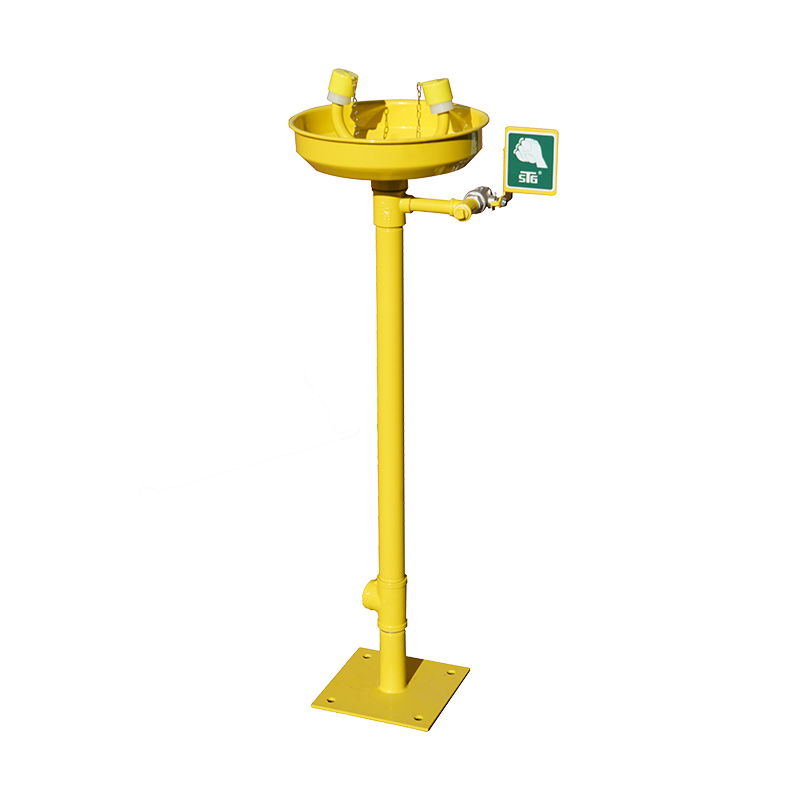
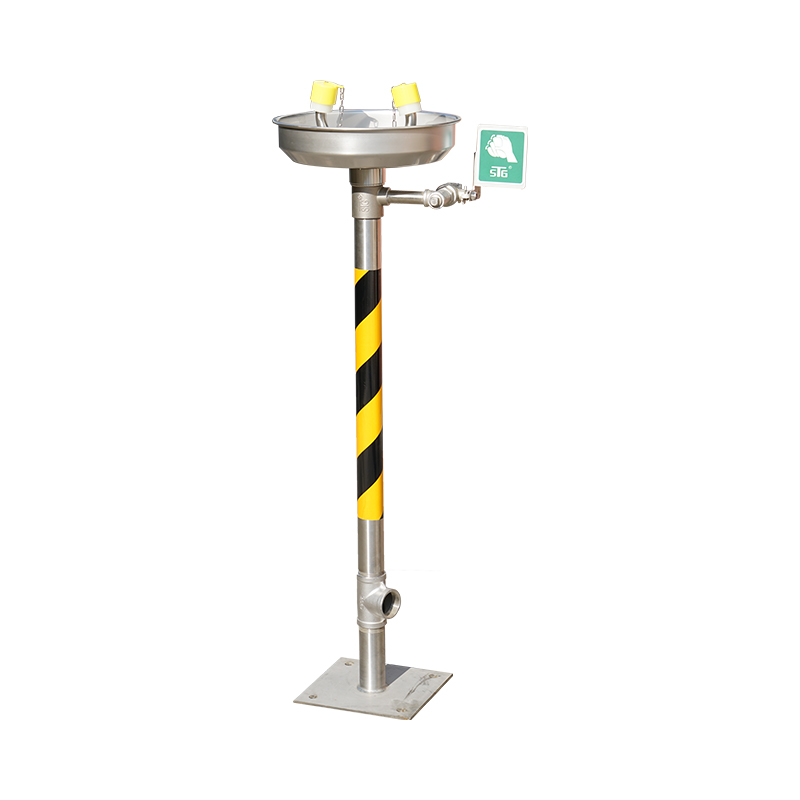
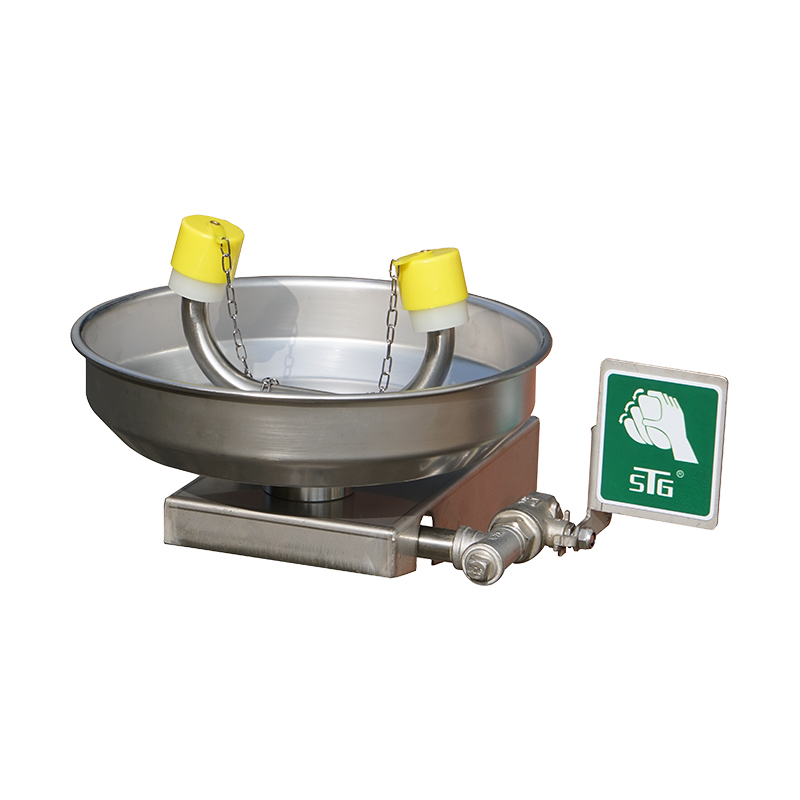
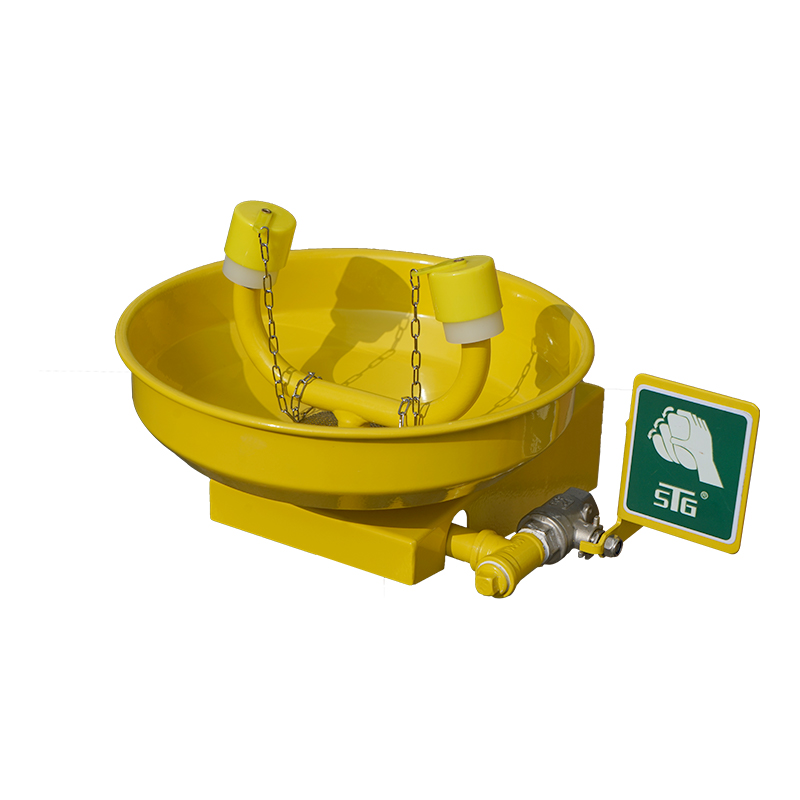
Facility layout, chemical hazard class, and water supply availability all influence whether a plumbed, portable, or combination unit is the right fit. Plumbed stations offer unlimited flushing duration and are ideal for permanent lab or production areas, while portable units serve as a bridge solution in locations without immediate plumbed water access, such as remote job sites. STG Manufacturing's Emergency eyewash and shower combination units are engineered to meet ANSI Z358.1 flow rate and tepid water requirements, making them a practical option for facilities that need a single station covering both eye and full-body decontamination needs.