English
 Deutsch
 España
 Français
 Italia
 Русский
 عربي
عربي


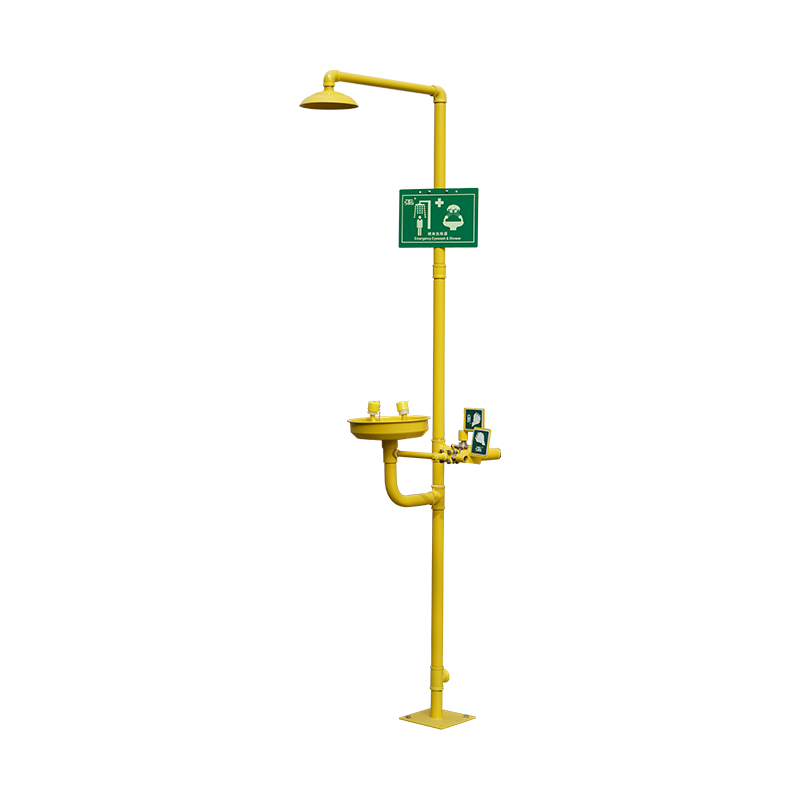
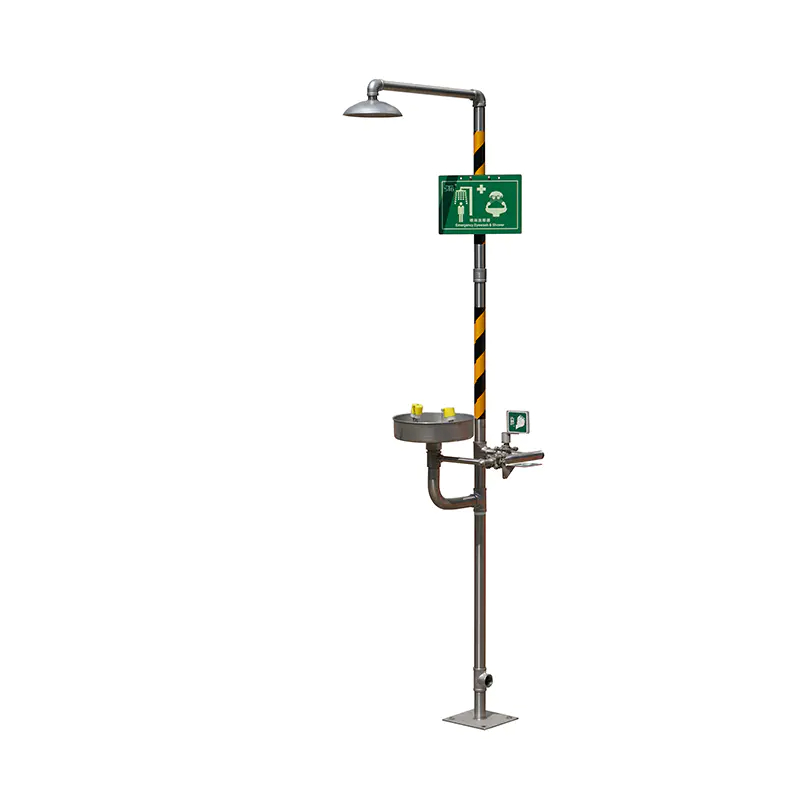
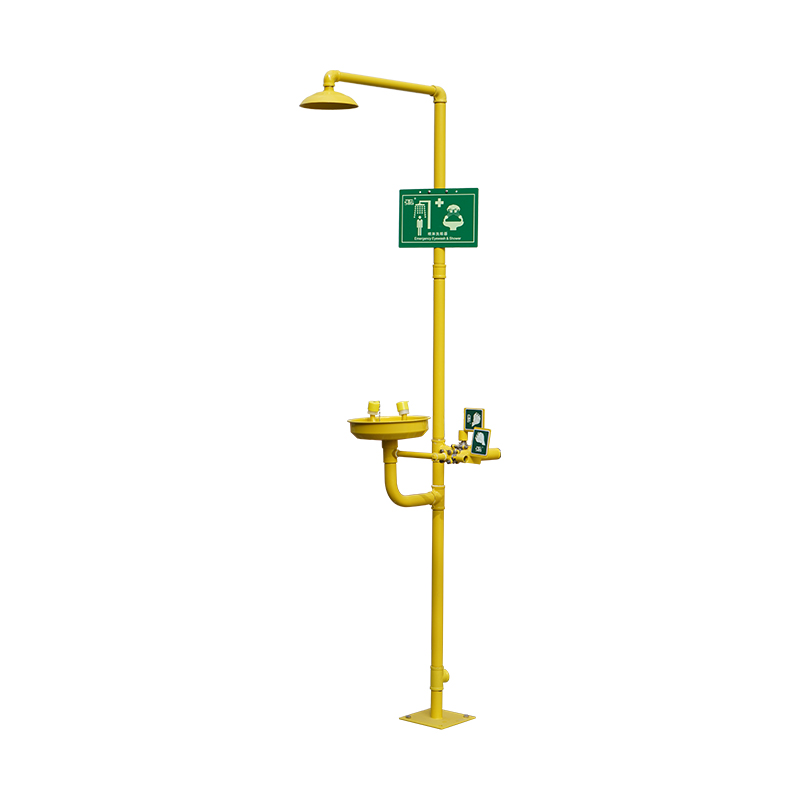
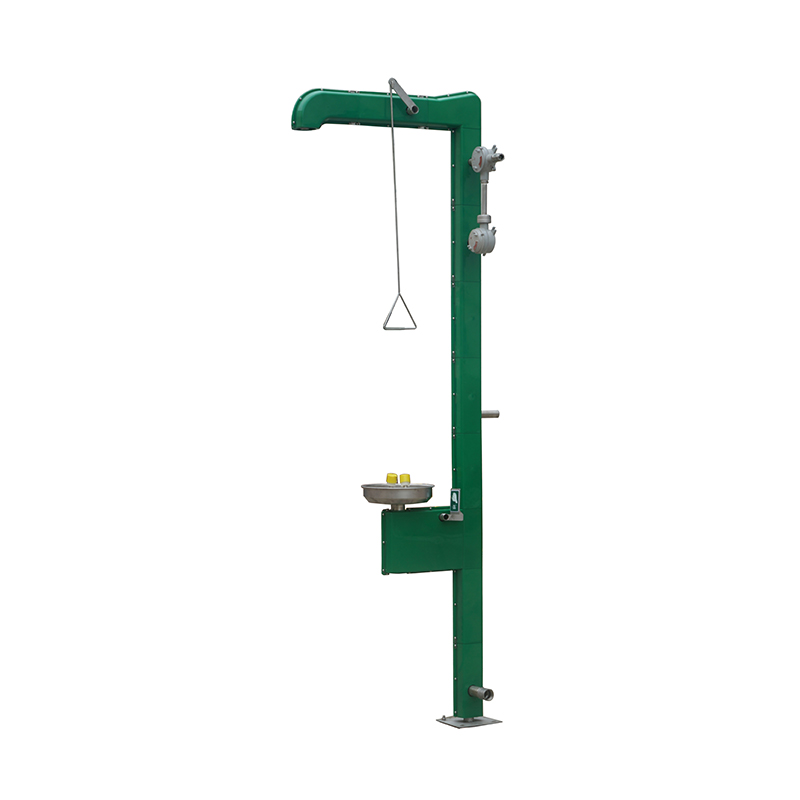
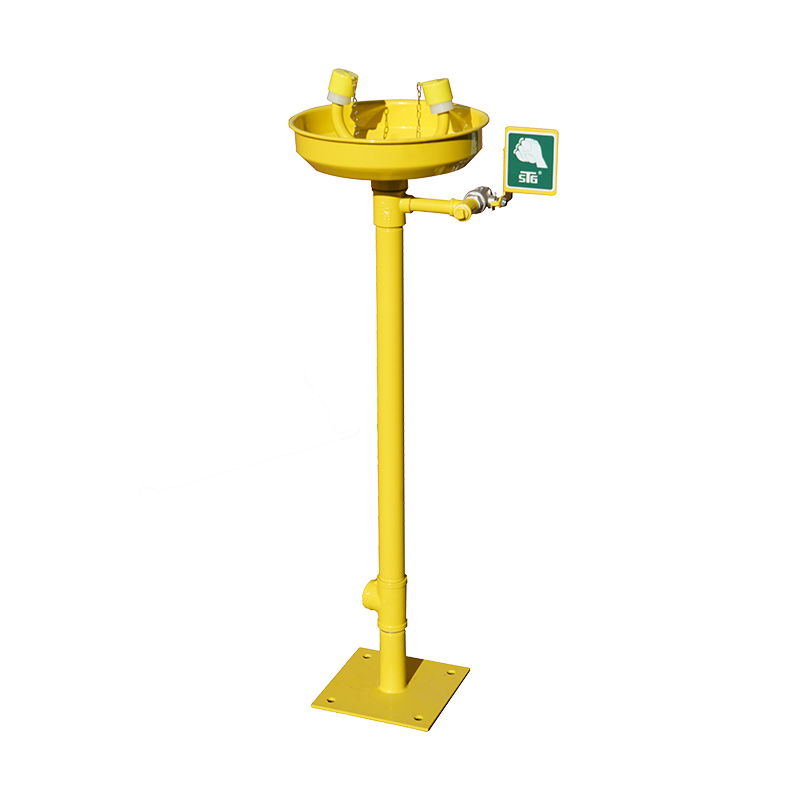
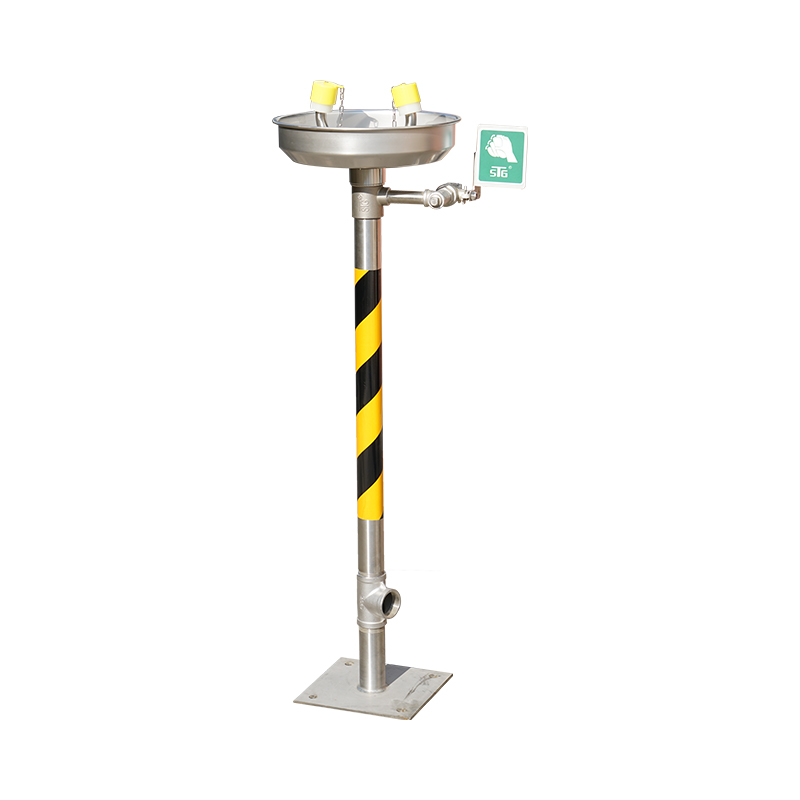
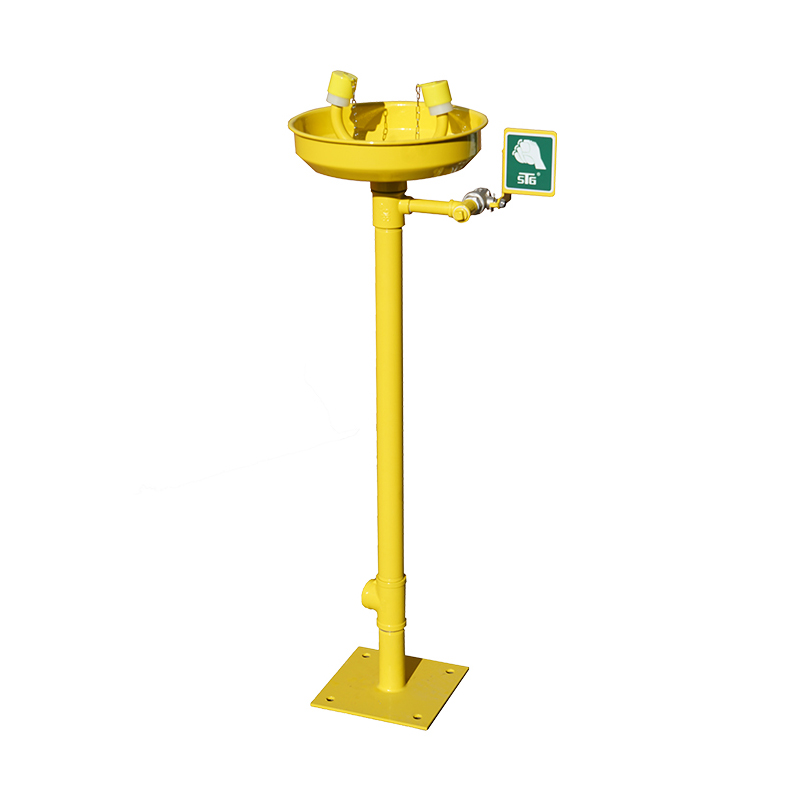
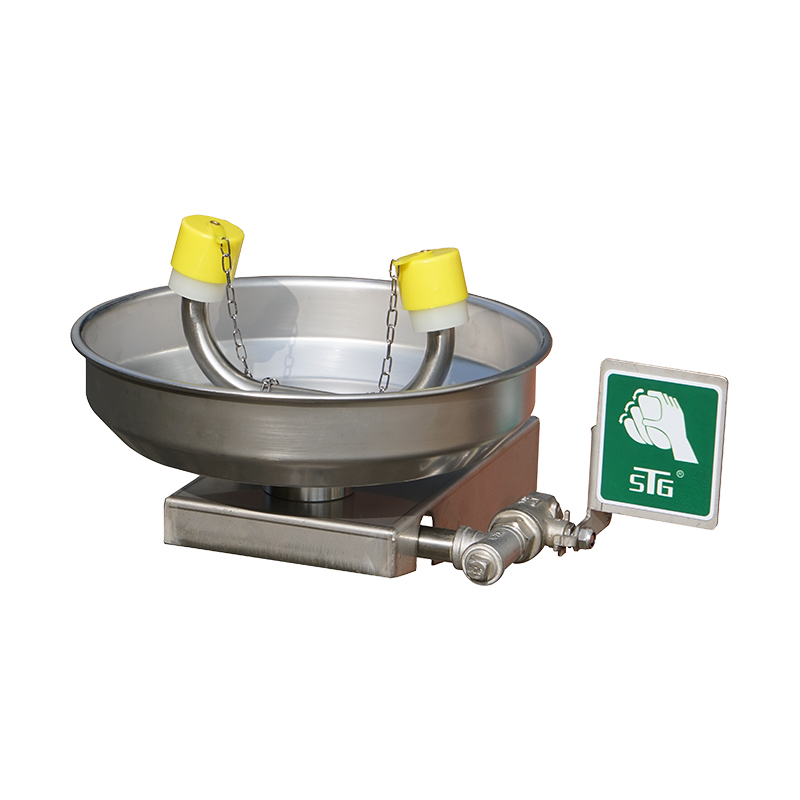
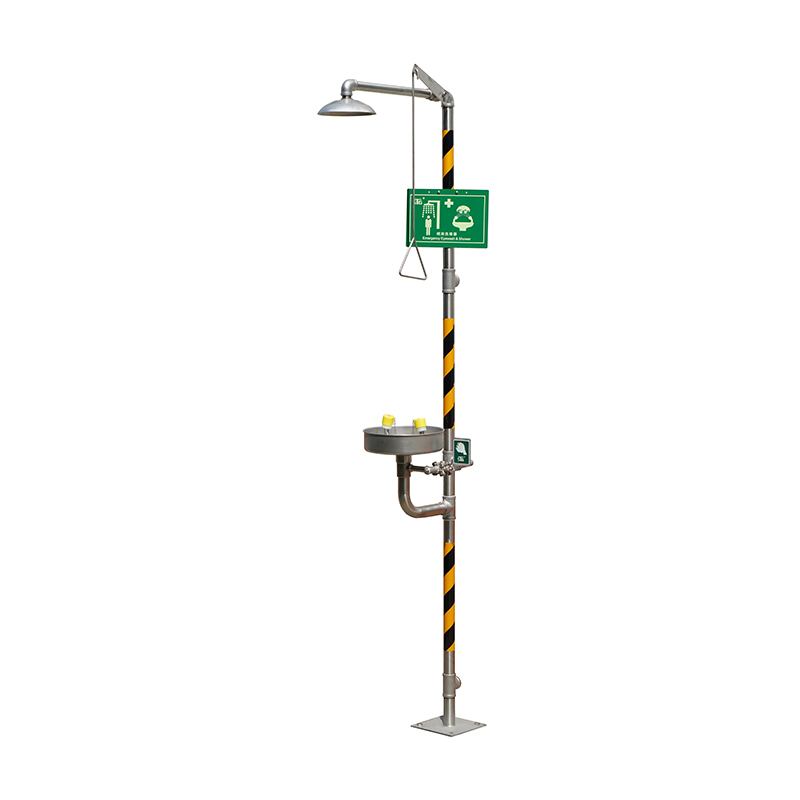
An emergency eyewash and shower is safety equipment installed in a work area so a worker can flush a hazardous chemical or particulate from the eyes, face, or body within seconds of contact, rather than waiting for help to arrive from elsewhere in the building. The equipment is designed around the ANSI/ISEA Z358.1-2014 standard, which sets the flow rate, water temperature, and minimum flush duration the unit has to deliver once activated. Speed matters more than almost any other factor here, since the amount of tissue damage from a corrosive chemical generally depends on how long it stays in contact with the eye or skin before it is rinsed away. A typical installation, such as the Emergency eyewash and shower unit, combines an eye or eye and face wash with an overhead drench shower so one station can respond to both a small splash and a larger body exposure. The remaining sections cover the exposure types that call for immediate flushing, how to choose equipment for a given layout, and the steps that matter most in the first seconds after contact.
Types of Chemical Exposure That Call for Immediate Flushing
Not every exposure is treated the same way, since the nature of the substance changes what the first response should look like. A Safety Data Sheet is the most reliable source for the correct response to a specific chemical, but most exposures fall into a small number of general categories.
| Exposure Type | Typical First Response |
| Corrosive liquid such as a strong acid or base | Begin flushing immediately and continue for the full 15 minute period set by ANSI/ISEA Z358.1 |
| Dry powder or particulate | Brush away loose material first where the SDS allows, then flush thoroughly |
| Solvent or general irritant | Follow the flush duration and any added guidance listed on the product specific SDS |
| Combined skin and eye exposure | Use a combination station so the eyewash and drench shower can run at the same time |
Reviewing the Safety Data Sheet for every chemical stored or handled in a given area is the most reliable way to confirm which response applies, since the same flush duration does not always apply equally to every substance.
Matching Station Type to Facility Layout
Choosing between a plumbed, self contained, or combination unit usually comes down to whether continuous water is available near the hazard and how far workers would otherwise have to travel to reach a station.
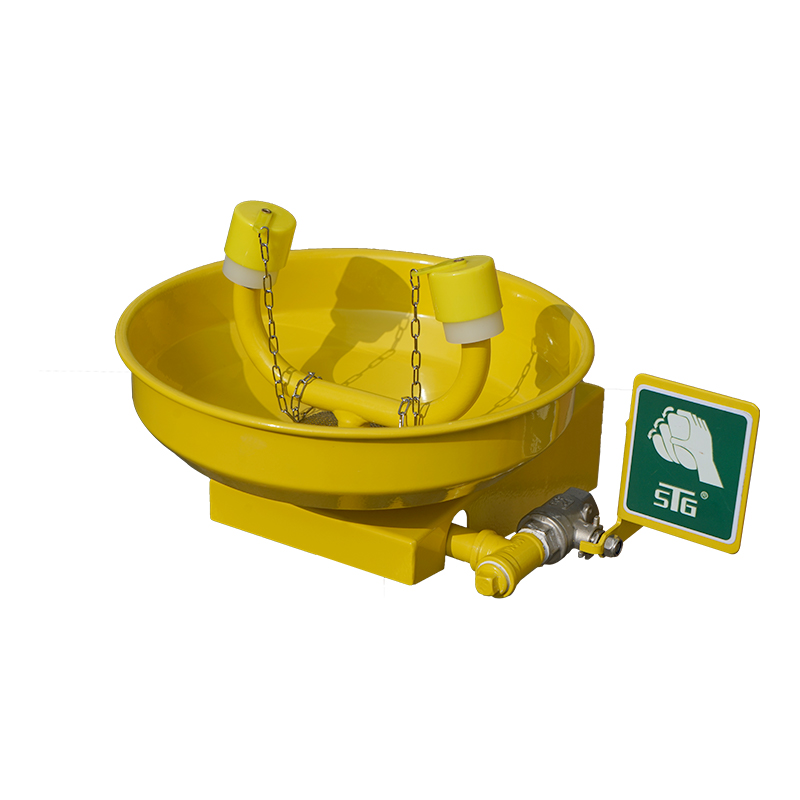
- Plumbed units connect to a continuous water supply and are generally the first choice wherever piping can reach the hazard area
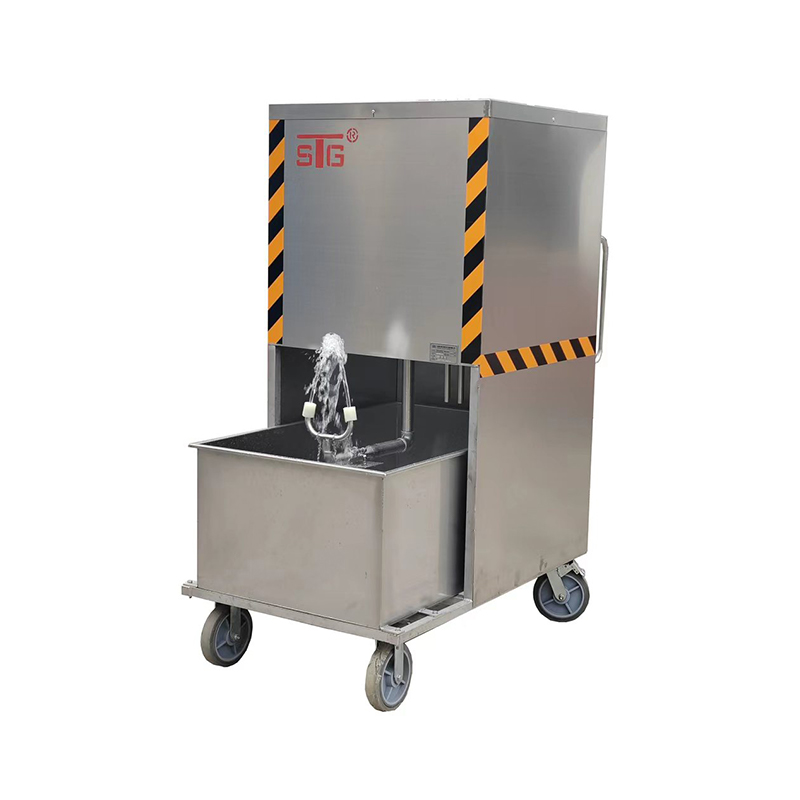
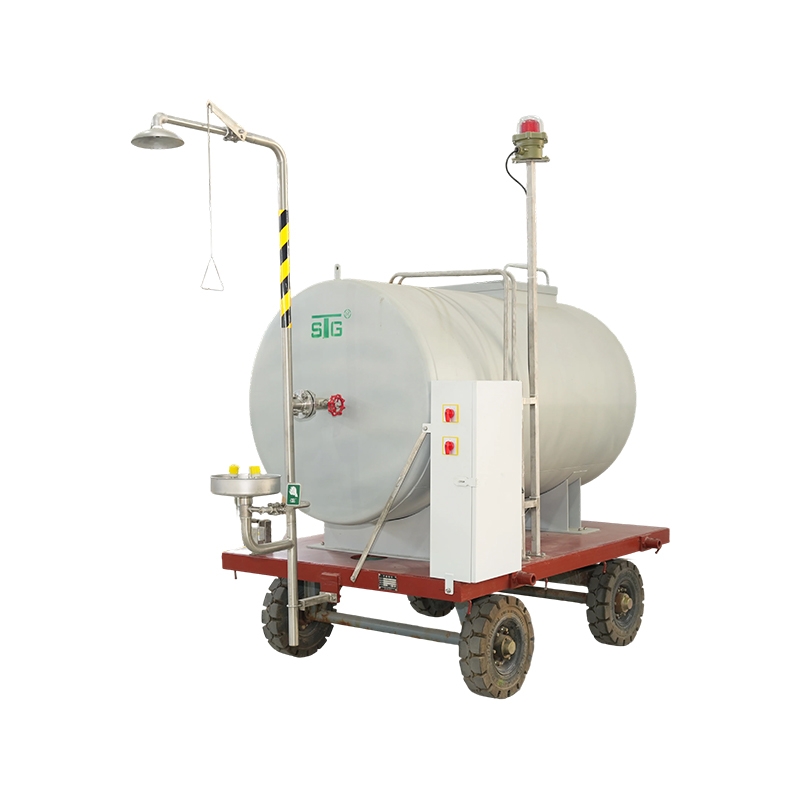
- Self contained units carry their own flushing fluid and suit remote work areas, temporary sites, or locations without nearby plumbing
- Combination units pair an eyewash with a drench shower and are generally selected wherever a splash could reach both the eyes and a larger area of skin
- Personal wash bottles support a station as a first response aid but are not treated as a substitute for a primary plumbed or self contained unit
Access also matters as much as the equipment type, since ANSI/ISEA Z358.1 expects a worker to be able to reach a station within about 10 seconds along a path that stays completely clear of obstructions.
What to Do in the First Seconds After an Exposure
The first minute after a chemical contacts the eyes or skin generally has the largest influence on how serious the outcome is, so a clear and well practiced sequence of steps matters more than memorizing every technical detail of the standard.
- Move to the nearest station immediately rather than pausing to assess the severity of the exposure first
- Remove contaminated clothing, gloves, or jewelry while moving toward the station if it can be done safely
- Hold the eyelids open and roll the eyes while flushing so water reaches behind the eyelid and across the entire surface
- Continue flushing for the full 15 minute period called for under ANSI/ISEA Z358.1, even if discomfort appears to ease earlier
- Seek medical evaluation afterward, since some chemical exposures cause damage that is not immediately obvious
Signage, Lighting, and Accessibility That Support a Fast Response
Equipment that performs well on paper still needs to be found quickly by someone whose vision may already be affected by the exposure itself. High contrast signage, kept clear of obstructions and visible from multiple directions, helps a worker locate a station even under stress. Adequate lighting around the unit matters just as much, since many exposures happen in process areas where general lighting can be uneven or partially blocked by equipment. Some facilities add a visual flag or indicator that shows when a station has recently been activated, which helps a supervisor confirm an incident occurred even if the affected worker is no longer nearby. Keeping the path to the nearest station free of stored material, cords, or parked equipment is one of the simplest and most effective steps a facility can take, since a blocked path adds seconds at exactly the point in time when seconds matter most.
Building a Maintenance Routine Around the Standard
Equipment that is not maintained can fail at the exact moment it is needed, which is why testing is treated as a routine rather than an occasional task. ANSI/ISEA Z358.1-2014 calls for a weekly activation test on plumbed units, which both confirms the valve opens correctly and clears stagnant water out of the supply line. A separate annual inspection checks the full flow rate, water temperature, and physical condition of every component, and for self contained units this includes confirming the flushing fluid has not passed its replacement interval, commonly every 90 to 180 days depending on the product. Keeping a simple written log of every weekly test and annual inspection turns this routine into something that can be verified later, rather than something that relies on memory alone.